Pakistan’s IMF Deal: Reform or Recoil?

As Pakistan enters yet another phase of IMF‑mandated reform, the country stands at a familiar crossroads: the tension between sovereignty and sustainability. The IMF’s latest Staff Report Directives—an 11‑point matrix of governance, fiscal, and sectoral reforms—signal a shift from short‑term stabilization to long‑delayed structural overhaul. But can a politically fragmented state absorb the socio‑economic shockwaves…
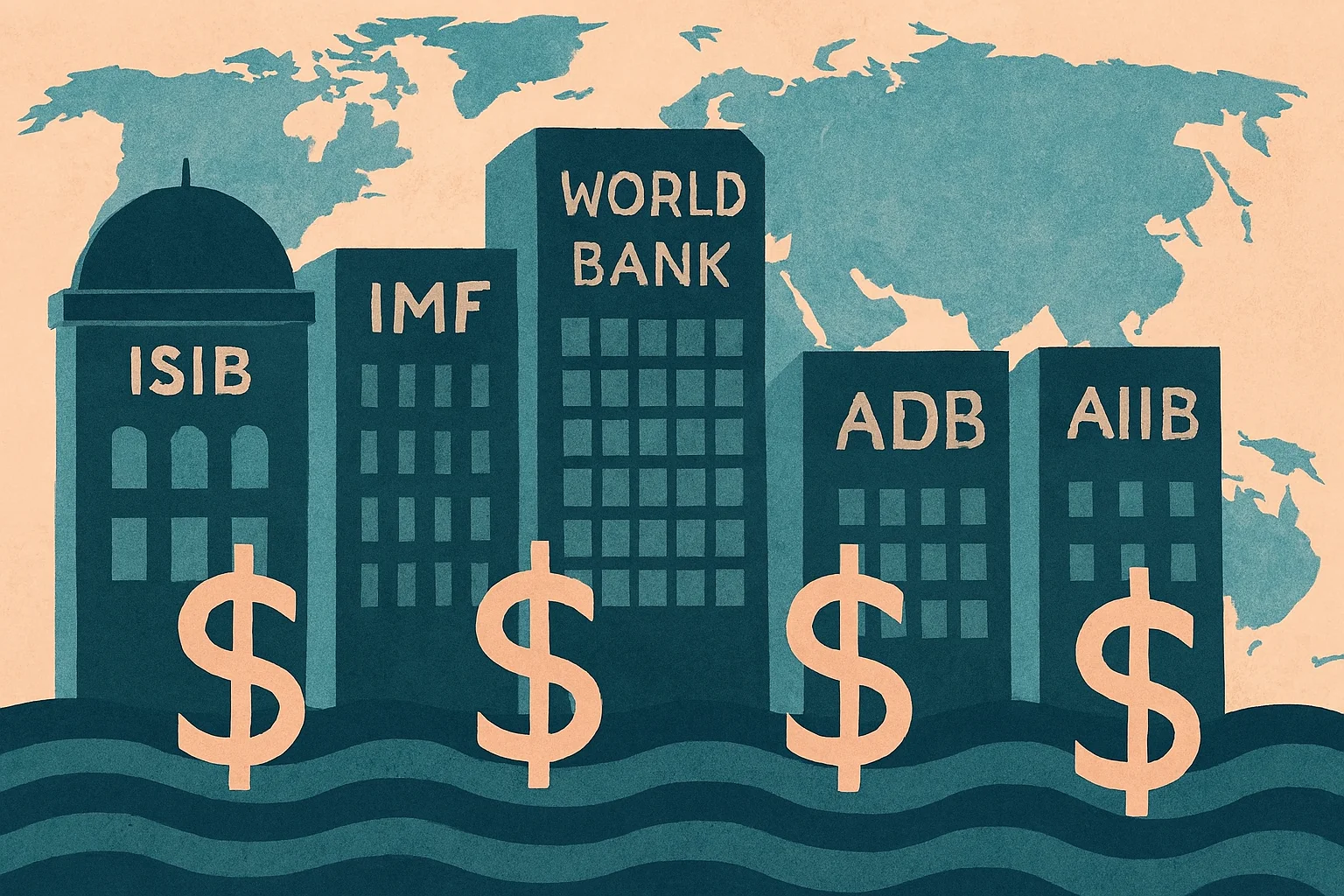
The New Geometry of Global Finance: How Developing Nations Navigate the IMF, World Bank, ADB, AIIB, and IsDB

In the long arc of global development, few decisions shape a nation’s trajectory as profoundly as the choice of where to borrow. For developing countries—many juggling fragile currencies, widening infrastructure gaps, and volatile political cycles—the question is not merely how much financing they can secure, but from whom, on what terms, and at what cost…

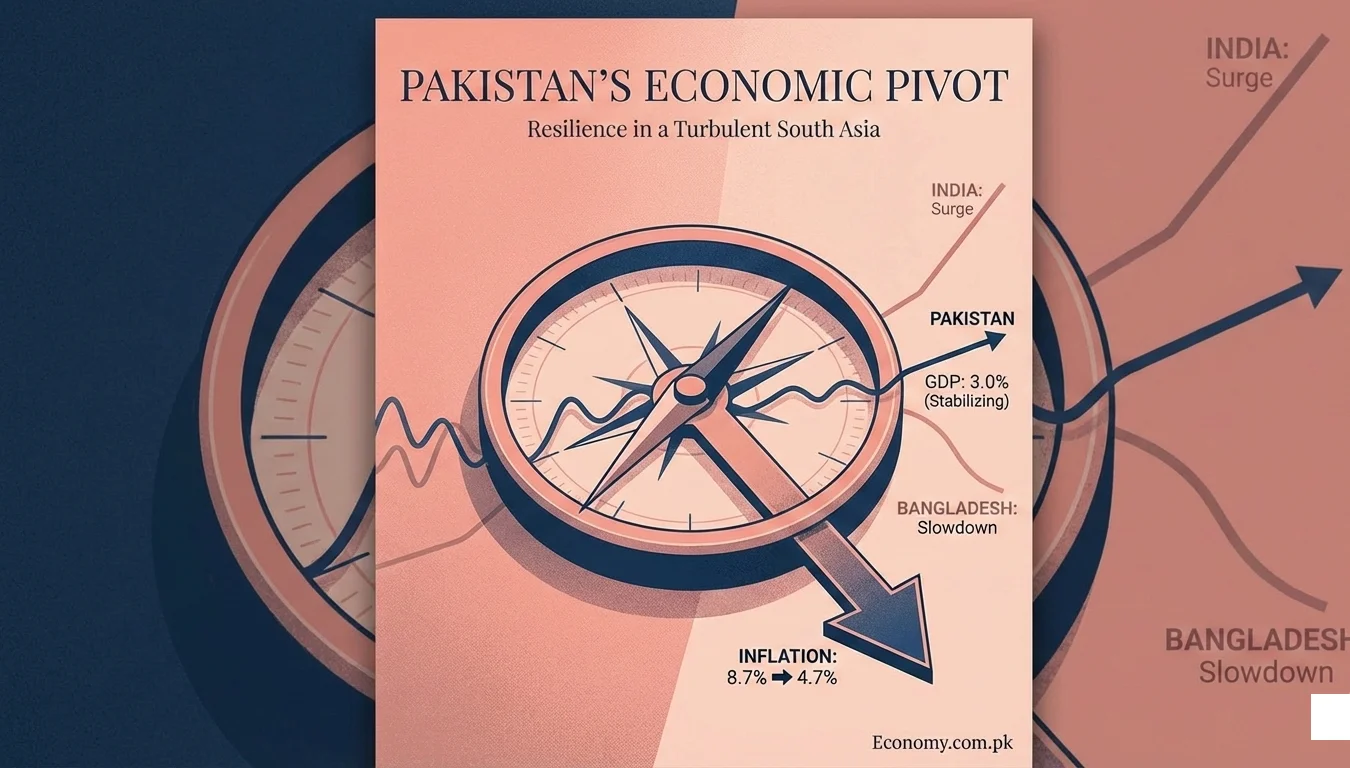
Pakistan’s Economic Pivot: Finding Resilience in a Turbulent South Asia

The narrative surrounding South Asia’s economy has long been dominated by singular giants, but the tides are shifting. For years, the headlines have focused solely on high-speed growth or deepening crises. However, the latest data released by the Asian Development Bank (ADB) in its December 2025 Asian Development Outlook (ADO) paints a far more nuanced…

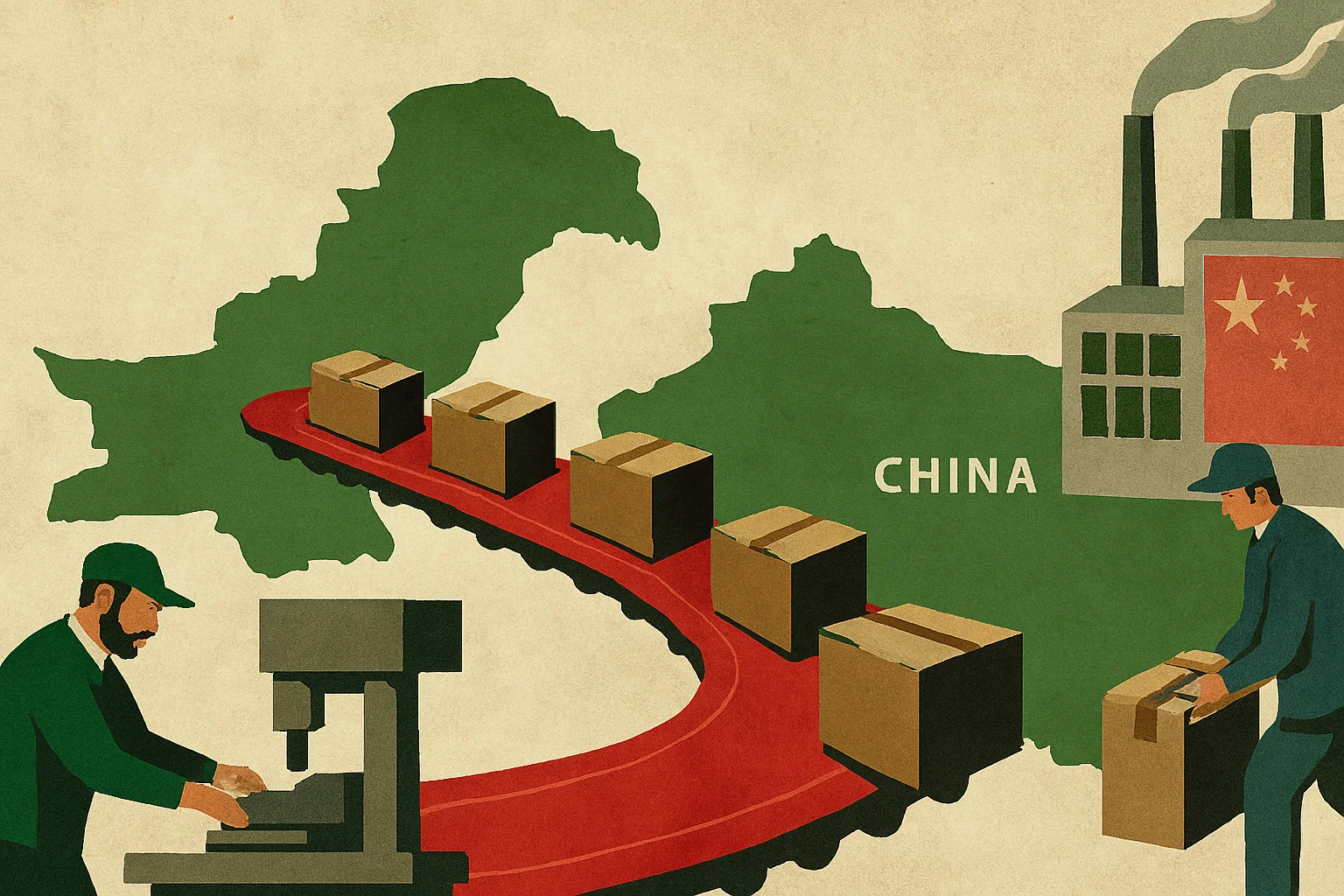
The Great Factory Shuffle: Can Pakistan Catch China’s Manufacturing Spillover?

As global supply chains redraw themselves, Pakistan eyes an opening. But opportunity, like investment, prefers certainty.An Economist’s analysis of whether Pakistan can capture manufacturing shifts away from China amid tariff shocks, ASEAN competition, and global supply‑chain realignment. Includes comparative data, SEO‑aligned insights, and a forward‑looking verdict. Executive Summary China’s long reign as the world’s workshop…

Unlocking the Future of IT Exports: AI Surge as the Blueprint for Economic Growth

Introduction The global economy is at a crossroads. Traditional growth engines—manufacturing, agriculture, and extractive industries—are struggling to keep pace with the demands of a hyper-connected world. Meanwhile, the digital economy has emerged as the most dynamic frontier, reshaping trade flows, labor markets, and national competitiveness. For developing nations, the stakes are particularly high: either embrace…