Pakistan’s Growth Outlook Dims: Why the IMF’s Latest Cut to 3.2% Matters for 2026 and Beyond

Pakistan has witnessed many ups and downs in its economic oulook . The latest IMF Cut is an eye-opener for all . This tension crystallized in late January 2026 when the International Monetary Fund, in its closely watched World Economic Outlook Update titled “Global Economy: Steady Amid Divergent Forces,” downgraded Pakistan’s GDP growth projection for…
10 Reasons Why Austerity Measures Will Help Boost Pakistan’s Economy: Practices and Prospects

The summer of 2025 marked a quiet turning point for Pakistan’s economy. After years of lurching from one balance-of-payments crisis to another, foreign exchange reserves climbed past $21 billion—their highest level in over a decade. Inflation, which had terrorized households by peaking above 38% in mid-2023, fell to single digits. The rupee stabilized. The International…

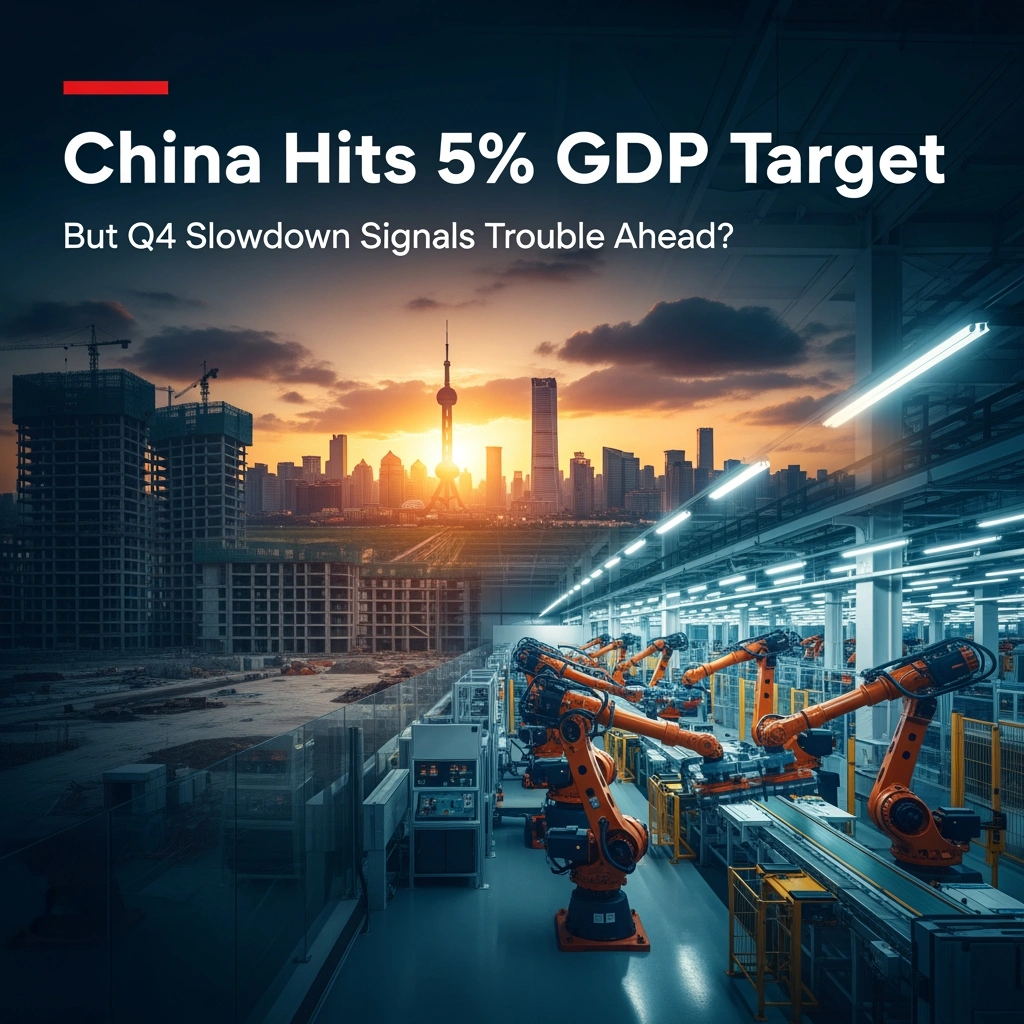
China’s Economy in 2025: Resilience Amid Headwinds as GDP Hits 5% Target Despite Q4 Slowdown

On a gray January morning in Shenzhen, the production lines at BYD’s sprawling electric vehicle plant hum with algorithmic precision—robotic arms fitting battery cells, workers in crisp uniforms monitoring quality control dashboards. Sixty kilometers north, in the dormant construction zones of Evergrande’s unfinished Guangzhou towers, cranes stand motionless against the skyline, monuments to China’s protracted…

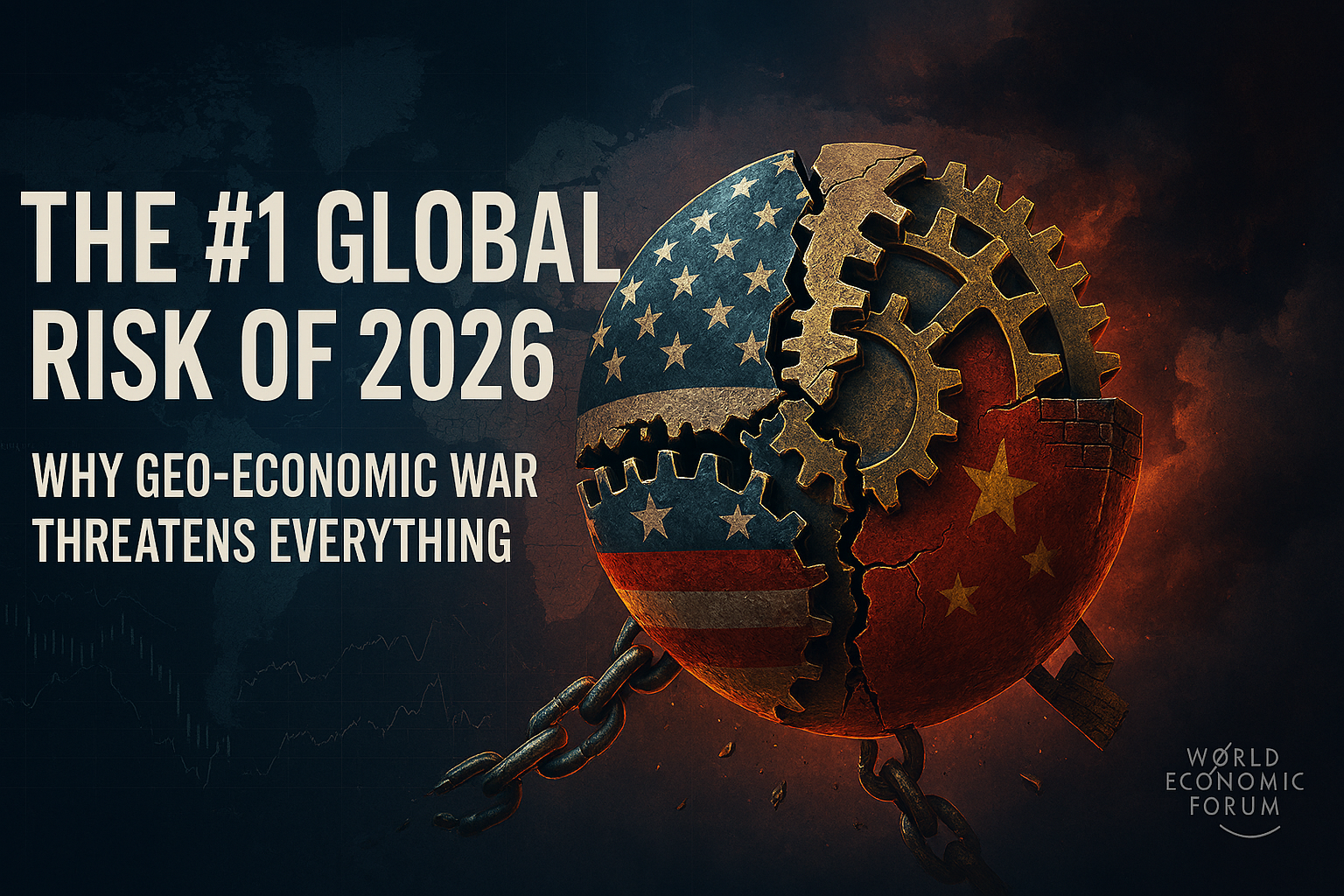
Geo-Economic Confrontation: The World’s Top Risk in 2026 and What It Means for Global Stability

On a cold January morning in 2026, a container ship idled outside Rotterdam’s harbour, its cargo of semiconductors and rare earth minerals caught in the crossfire of the latest transatlantic trade dispute. Inside those steel boxes lay the raw materials for everything from smartphones to solar panels—products now subject to a bewildering array of tariffs,…

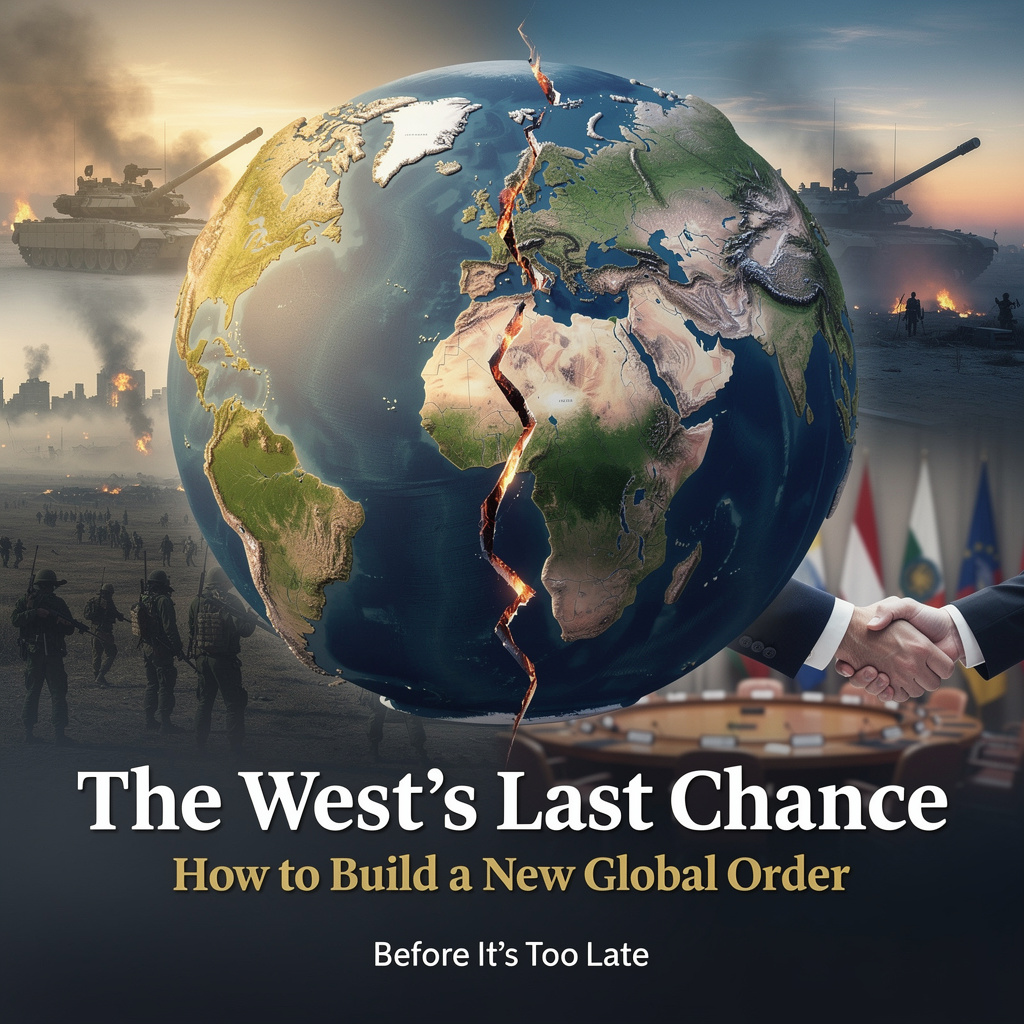
The West’s Last Chance: Building a New Global Order

The drone strikes came at dawn. On a January morning in 2026, another wave of Russian missiles arced across Ukrainian skies, while in Khartoum, the sound of artillery fire echoed through emptied streets as Sudan’s civil war ground into its third year. In Gaza, the fragile ceasefire negotiated months earlier showed fresh signs of strain….

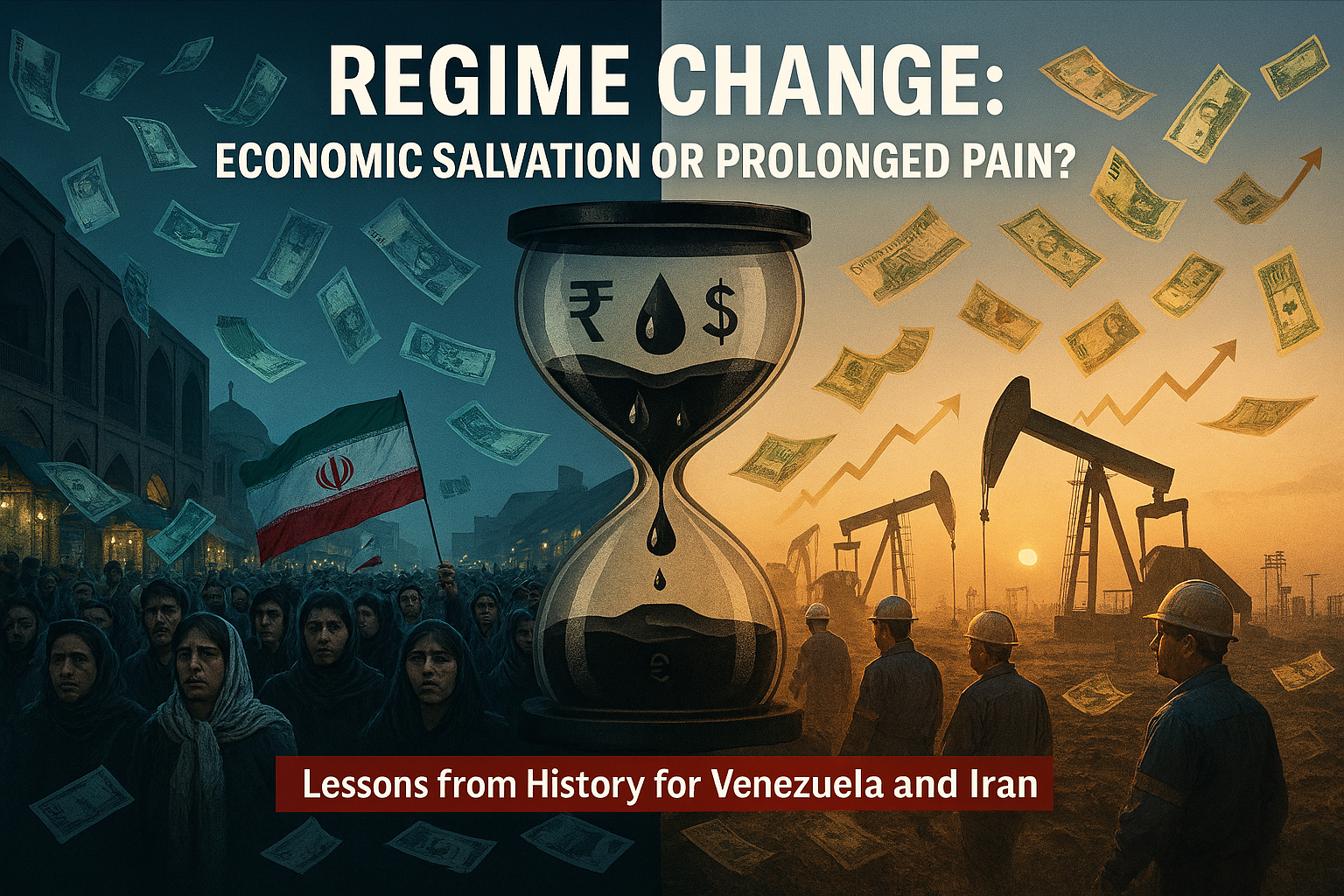
The Economics of Regime Change: Historical Lessons for Post-Maduro Venezuela and Protest-Riven Iran

In the sweltering heat of Caracas this January, street vendors who once bartered eggs for devalued bolivars now speak cautiously of hope. Nicolás Maduro’s departure from Venezuela’s presidency—confirmed through a negotiated transition involving regional powers and domestic opposition—has unleashed a torrent of speculation about economic renewal. Opinion polls conducted in the capital’s barrios suggest more…

The Hollowing Out: Public Sector Recruitment Decline and the Erosion of State Capacity in Pakistan

The steady decline in public sector recruitment through the Federal Public Service Commission (FPSC) and Provincial Public Service Commissions (PPSCs) is not merely a budgetary footnote; it represents a critical strategic challenge to governance, service delivery, and national development. This contraction, driven by austerity measures and technological shifts, risks severely undermining state capacity at a…

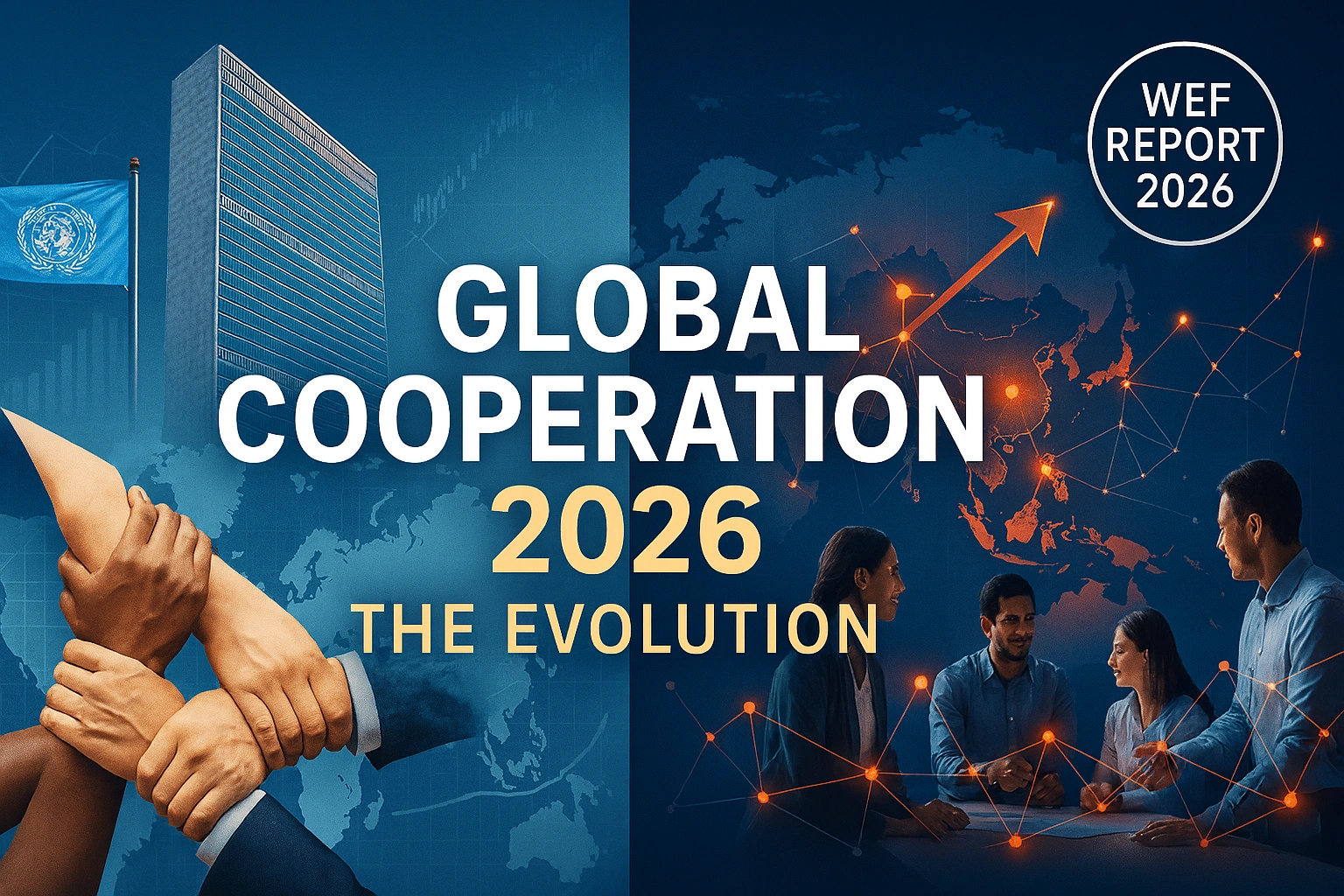
Global Cooperation Barometer 2026: Why International Collaboration Isn’t Dead—It’s Just Evolving [WEF Report Analysis]

While 123 million people were forcibly displaced in 2024—the highest number on record—global cooperation metrics held remarkably steady. This paradox lies at the heart of the World Economic Forum’s Global Cooperation Barometer 2026, a comprehensive analysis that challenges our assumptions about international collaboration in an age of rising tensions. The third edition of this landmark…

The Contours of 21st-Century Geopolitics Will Become Clearer in 2026: A New World Is Starting to Emerge

The world stands at an inflection point. As 2026 unfolds, the post-Cold War order that shaped global affairs for three decades is giving way to something fundamentally different. This isn’t just another year of geopolitical tensions—it’s the moment when the emerging world order crystallizes into recognizable contours, reshaping how businesses operate, how nations interact, and…

Malaysia’s Economic Paradox: Strong Growth Masks Anwar’s Stalled Reform Agenda

Three years into his premiership, Anwar Ibrahim’s Malaysia faces a critical divergence—robust GDP expansion is buying time for reforms that remain frustratingly incomplete On a humid November afternoon in Kuala Lumpur, Finance Minister Datuk Seri Anwar Ibrahim stood before cameras to announce Malaysia’s third-quarter 2025 GDP growth: a robust 5.2 percent, placing the country on…