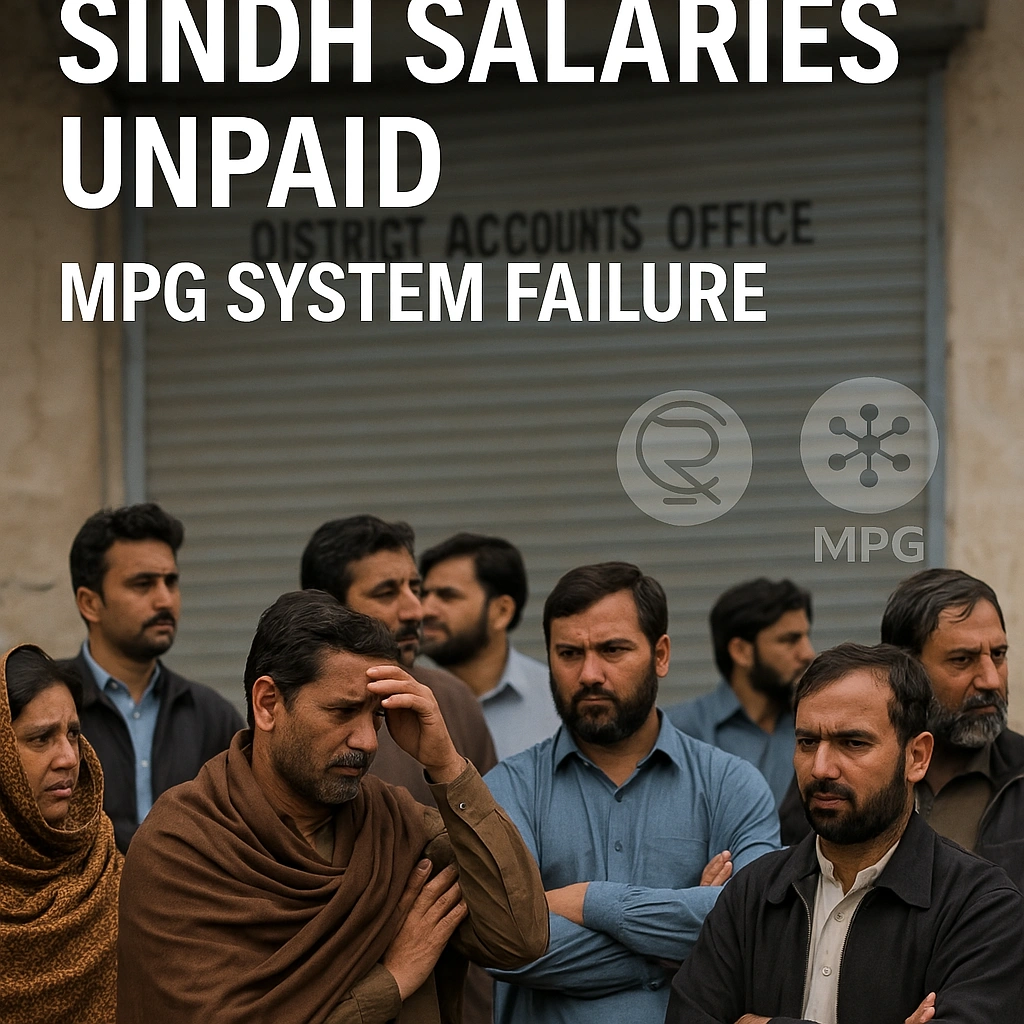
Sindh’s Payroll Crisis: How a Digital Payment System Collapse Left Thousands of Government Employees Without January Salaries

Sindh government employees remain unpaid as MPG payment system fails past January 25th deadline. Exclusive investigation into Pakistan’s digital payment infrastructure breakdown and its human cost. “The 25th Has Come and Gone—But Salaries Haven’t“ For Muhammad Rasheed, a grade-17 officer in Sindh’s education department, January 28th marks the third day of uncertainty. The 25th—traditionally the…

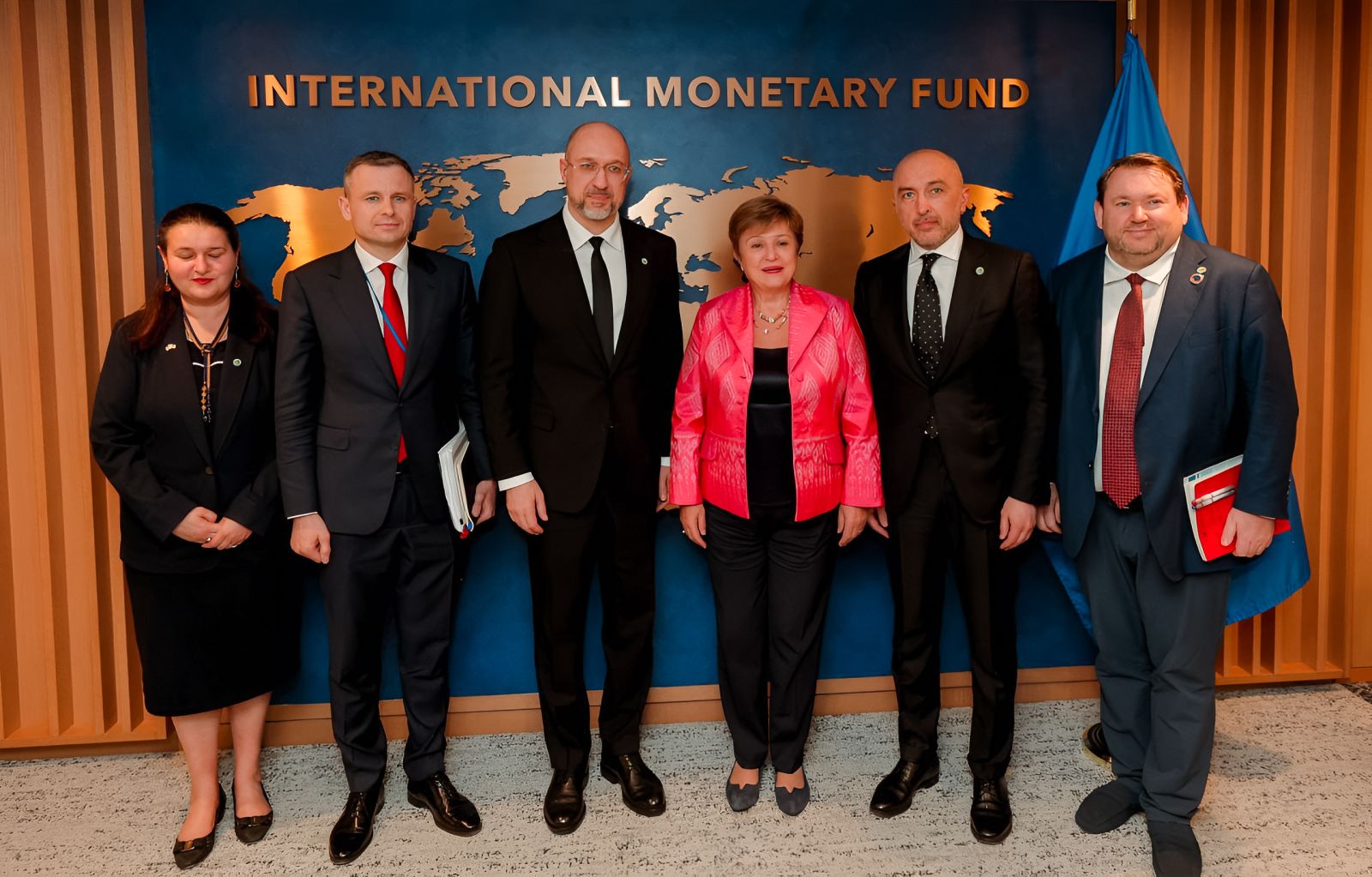
Defying Global Headwinds: How the AIIB’s New Leadership is Mobilizing Critical Infrastructure Investment Across Asia

Ten days into her presidency, Zou Jiayi chose Hong Kong’s Asian Financial Forum as the venue for a message that was simultaneously reassuring and urgent. Speaking on January 26 to an audience of financial heavyweights and policymakers, the new president of the Asian Infrastructure Investment Bank emphasized that multilateral cooperation has become “an economic imperative”…

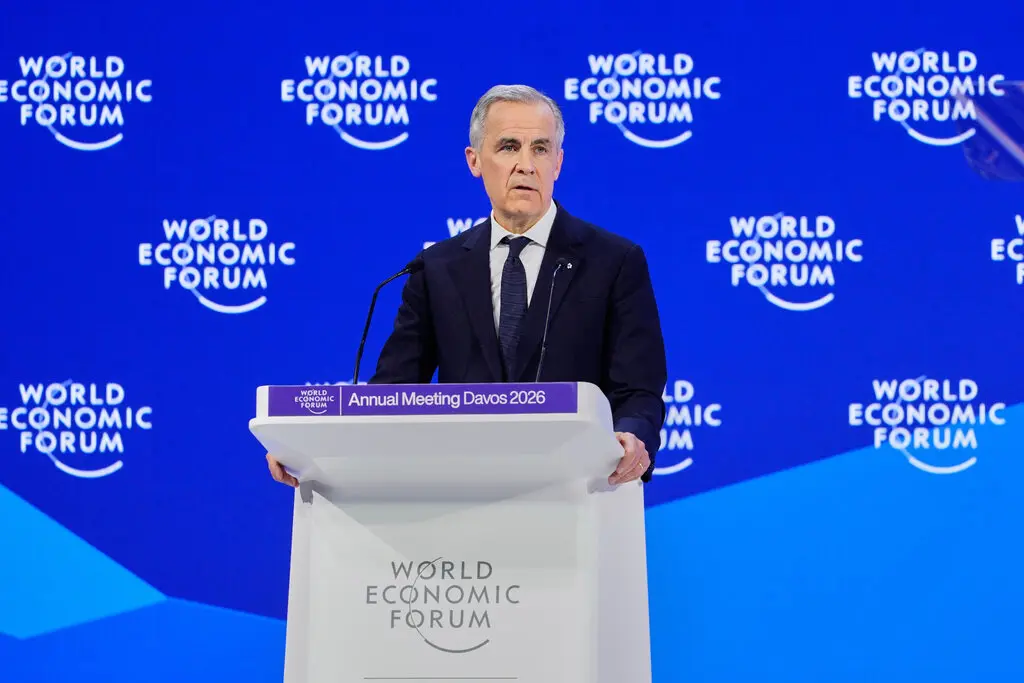
Global Order Is Changing, Not Collapsing: Finance Chiefs Challenge Mark Carney’s Davos Warning on Rules-Based System

When former Bank of England governor Mark Carney declared at Davos this week that the rules-based international order is “effectively over,” he articulated a fashionable pessimism that has become almost reflexive among global elites. Yet within hours, a chorus of finance ministers and central bankers pushed back—not with denial, but with a more textured reading…

The Great Decoupling: Can ‘Anti-Woke’ Banks Survive a Post-ESG Regulatory Era?

The death of reputational risk as a regulatory standard has unleashed something unexpected in American banking: not innovation, but a fundamental identity crisis that pits fortress-grade financial institutions against nimble, mission-driven challengers operating on thinner capital cushions. The Debanking Reckoning The numbers tell a stark story. All nine of the nation’s largest banks—JPMorgan Chase, Bank…

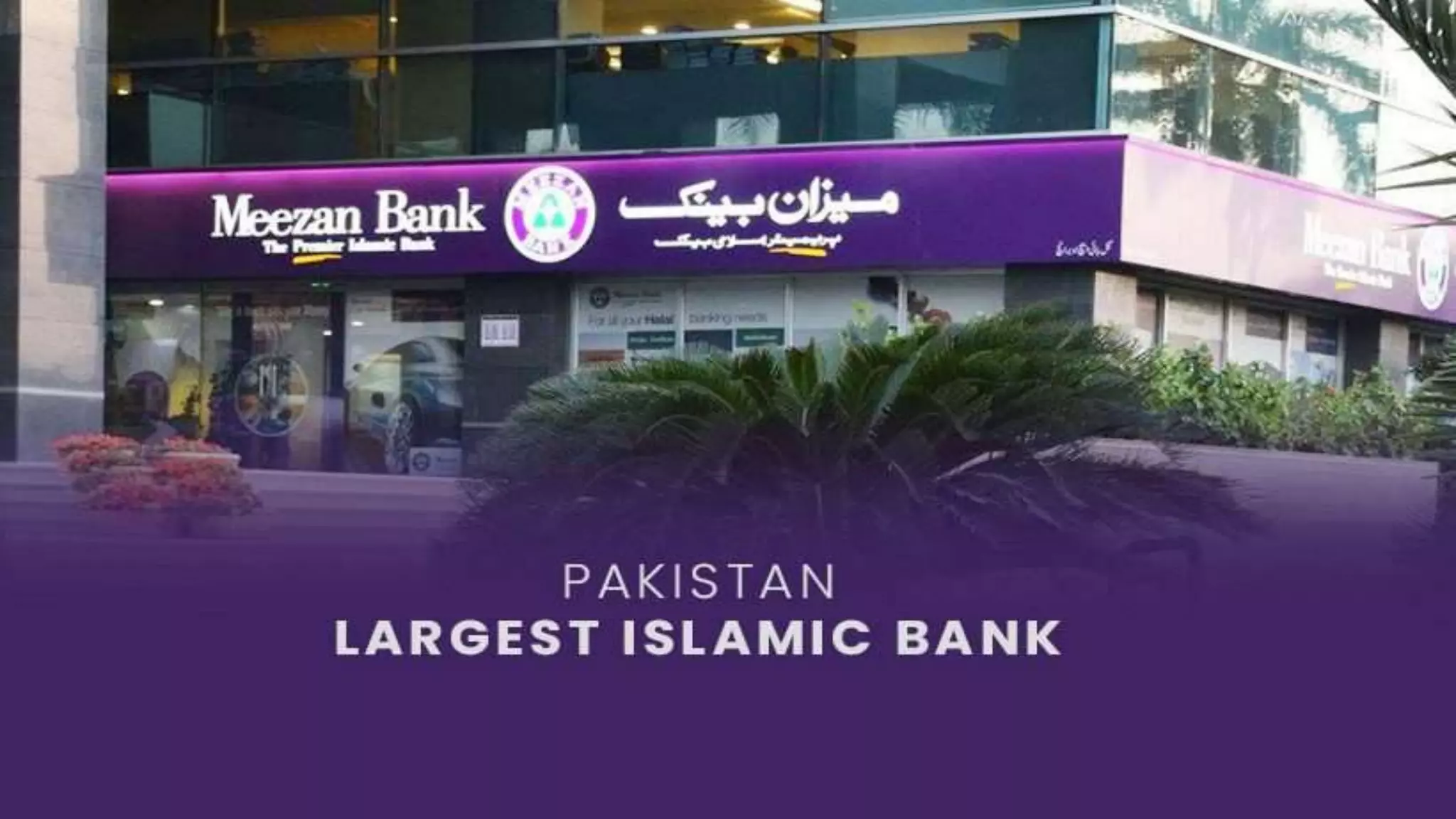
Meezan Bank: Pakistan’s Premier Islamic Bank – A Deep Dive into Profits, Services, and Market Dominance in 2026

Meezan Bank, the country’s first and largest Islamic bank, has transformed from a pioneering experiment in Shariah-compliant finance into a dominant force commanding over one-fifth of Pakistan’s Islamic banking sector. As the country accelerates toward a fully interest-free banking system by 2027–2028, Meezan stands at the vanguard of this historic transition—not merely as a participant,…

DBS Hits S$1 Billion AI Value Milestone — But Agentic AI Poses Talent Challenges for Singapore Banks

DBS Bank achieves record S$1 billion in AI economic value for 2025, yet agentic artificial intelligence raises critical talent challenges across Singapore’s banking sector. At precisely 8:47 a.m. on a humid November morning in Singapore’s Marina Bay financial district, a corporate treasurer at a mid-sized logistics firm receives a notification from her DBS banking app….

Inside Singapore’s AI Bootcamp to Retrain 35,000 Bankers: Reshaping Asia’s Financial Future

When Kelvin Chiang presented his team’s agentic AI models to Singapore’s Monetary Authority, he knew he was demonstrating something unprecedented. What used to consume an entire workday for a private banker—compiling wealth reports, validating sources of funds, drafting compliance documents—now takes just 10 minutes. But before Bank of Singapore could deploy these tools across its…

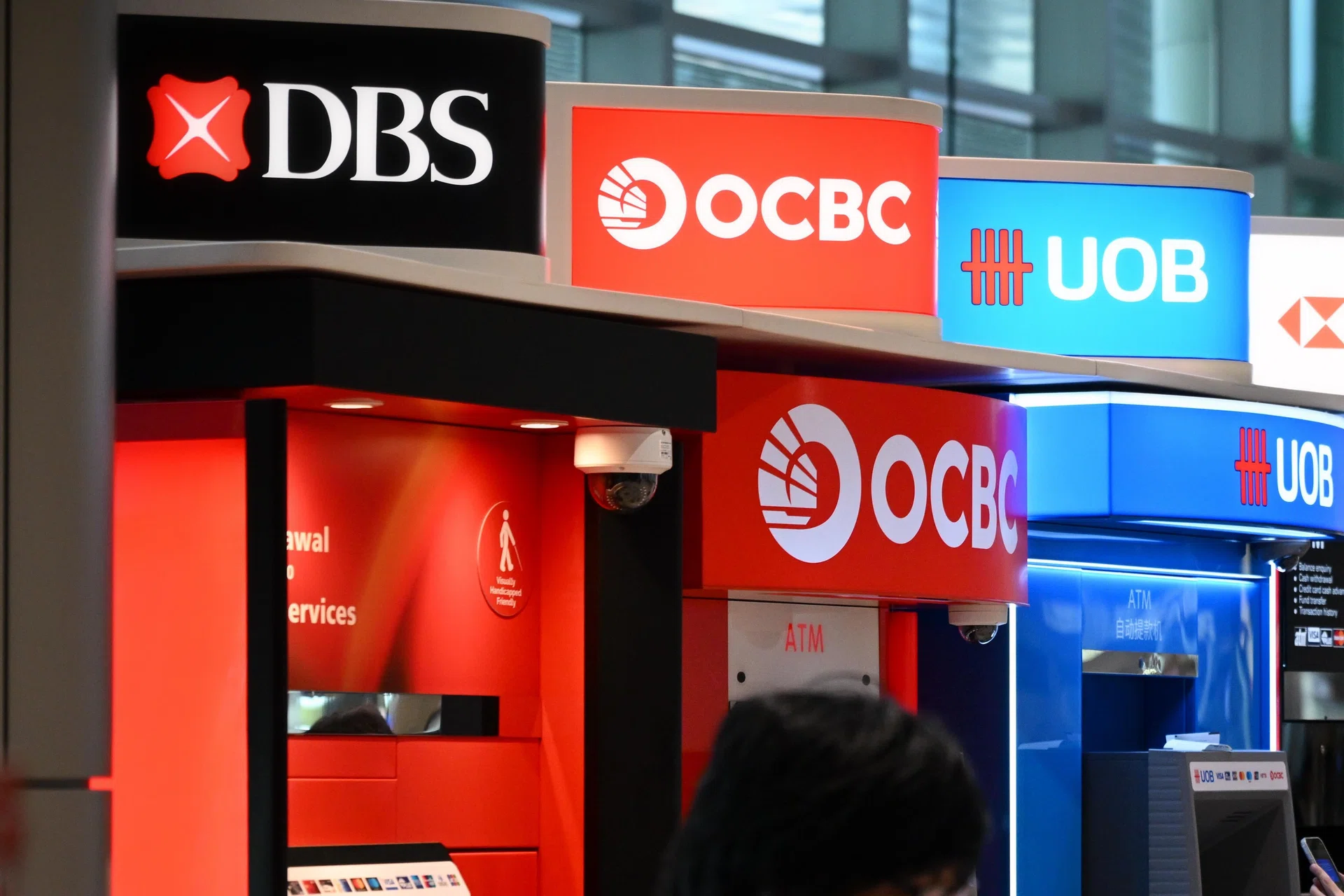
Singapore’s Banking Paradox: Why Fee Income and Loan Recovery Can’t Fully Save Margins in 2026

The city-state’s banking giants are rewriting their revenue playbook as traditional profit engines sputter—here’s what investors need to know When DBS CEO announced Q3 2025 results with wealth management fees surging 20% year-over-year, the stock dropped 4%. Welcome to the new reality for Singapore banking: spectacular growth in one revenue stream can’t quite compensate for…

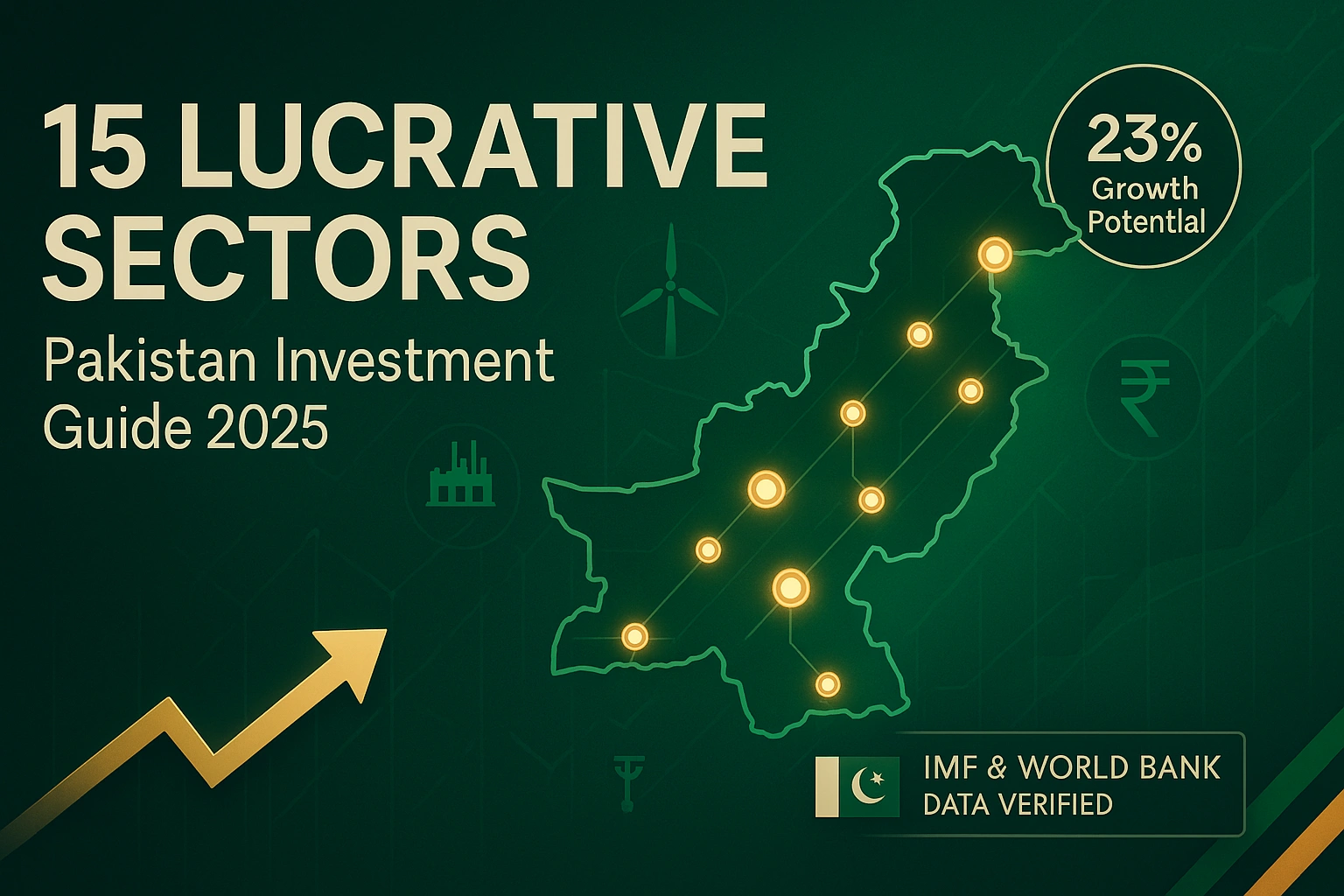
15 Most Lucrative Sectors for Investment in Pakistan: A 2025 Data-Driven Analysis

While global investors chase saturated markets in established economies, Pakistan’s 240.49 million population presents a transformation that Goldman Sachs has quietly termed “the emerging market story of the decade”—yet 87% of international portfolios remain critically underexposed to this $350 billion economy poised at an inflection point. The numbers tell a compelling story that contradicts mainstream…