
Analysis
Meezan Bank: Pakistan’s Premier Islamic Bank – A Deep Dive into Profits, Services, and Market Dominance in 2026

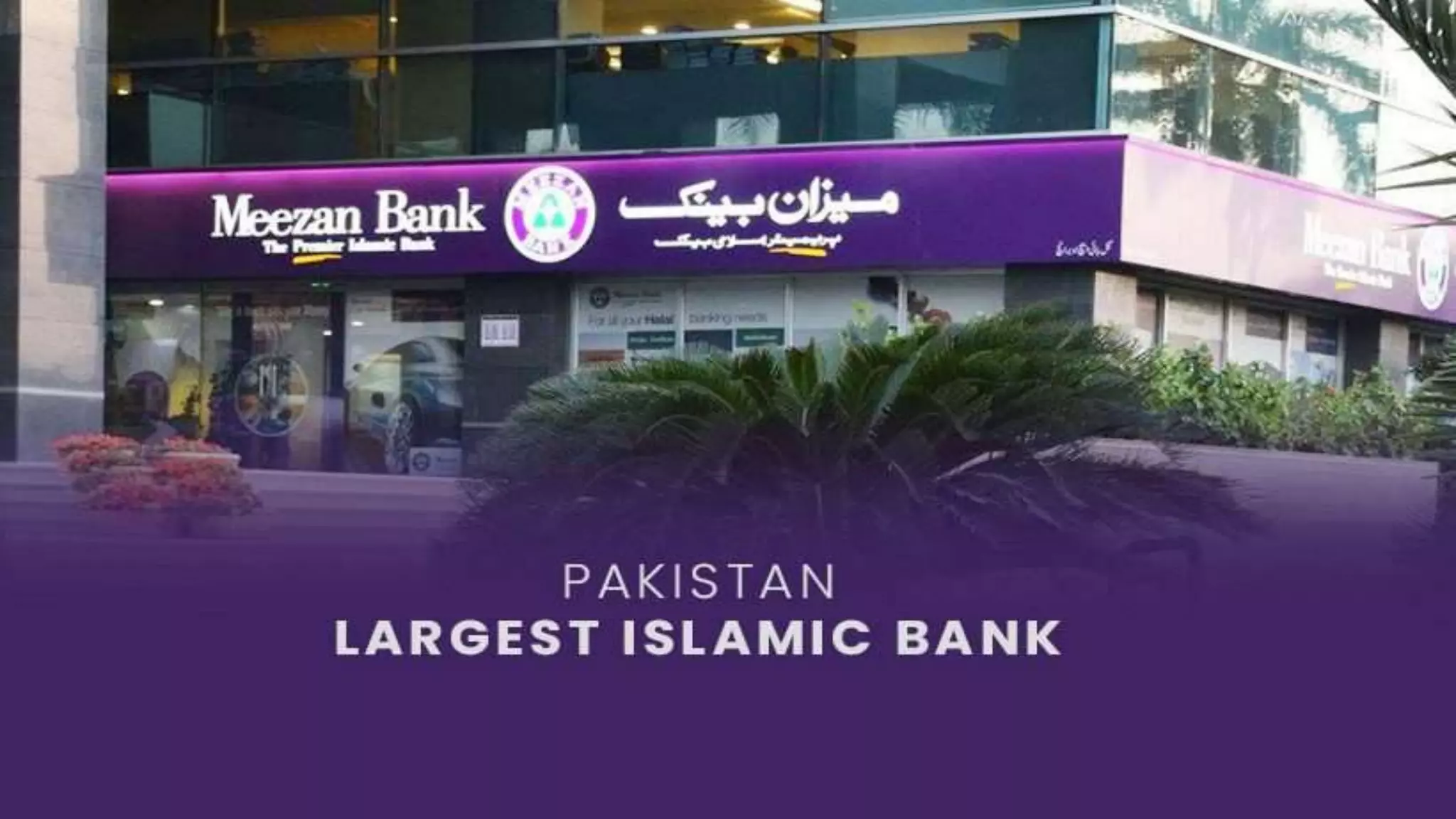
Meezan Bank, the country’s first and largest Islamic bank, has transformed from a pioneering experiment in Shariah-compliant finance into a dominant force commanding over one-fifth of Pakistan’s Islamic banking sector. As the country accelerates toward a fully interest-free banking system by 2027–2028, Meezan stands at the vanguard of this historic transition—not merely as a participant, but as the architect of what Islamic banking Pakistan can achieve at scale.
The bank’s financial performance through 2025 tells a story of remarkable resilience amid turbulent economic conditions. For the nine months ending September 30, 2025, Meezan Bank posted a profit after tax approaching Rs 70 billion, marking substantial year-on-year growth despite Pakistan’s macroeconomic headwinds. This achievement positions Meezan not just as the premier Islamic bank Pakistan relies upon, but as a case study in how Shariah-compliant financial institutions can outperform conventional competitors while adhering to ethical financing principles. For investors, policymakers, and financial analysts seeking to understand the future of Islamic finance, Meezan Bank represents both a bellwether and a blueprint.
Meezan Bank’s Record-Breaking Profits in 2025: Dissecting the Financial Performance
The financial year 2025 has proven transformational for Meezan Bank, with third-quarter results revealing the depth of its competitive advantages. According to the bank’s official financial disclosures, profit after tax for the nine months ended September 30, 2025, reached approximately Rs 67–70 billion, representing a robust increase from the corresponding period in 2024. This growth trajectory becomes even more impressive when contextualized against Pakistan’s challenging economic backdrop—elevated inflation, currency depreciation, and policy rate volatility that compressed margins across the banking sector.
Breaking down the quarterly performance, Meezan demonstrated accelerating momentum through 2025. Third-quarter profits alone contributed a substantial portion of the nine-month total, suggesting operational efficiency improvements and successful asset repricing strategies. The bank’s annualized earnings per share (EPS) tracked toward historic highs, rewarding shareholders who bet on Islamic banking’s structural growth in Pakistan.

Key performance indicators paint a picture of comprehensive institutional strength. Return on equity (ROE) remained elevated in the 16–18% range, significantly outpacing many conventional banks struggling with asset quality concerns. Return on assets (ROA), while naturally lower given the asset-heavy nature of Islamic financing modes, held steady above 1.5%—a testament to deployment efficiency. The cost-to-income ratio, a critical measure of operational discipline, improved year-over-year as digital transformation initiatives reduced branch transaction costs while mobile banking adoption surged.
Asset expansion tells another compelling story. Meezan Bank’s total assets crossed Rs 2.5 trillion during 2025, solidifying its position as Pakistan’s largest Islamic bank by a substantial margin. This growth was driven by healthy customer financing expansion—particularly in retail segments like housing and automotive—alongside strategic investments in government securities structured through Shariah-compliant mechanisms. Deposit growth kept pace, with the bank’s customer deposit base exceeding Rs 2.2 trillion, reflecting deep trust in Meezan’s brand and the broadening appeal of halal financing options.
The net markup income (NMI) spread, Islamic banking’s equivalent to net interest margin, widened strategically as Meezan capitalized on its lower-cost deposit base. Current and savings accounts (CASA) represented over 80% of total deposits, an extraordinarily favorable mix that provides cheap funding for higher-yielding Islamic financing products. This structural advantage—built through decades of customer acquisition and brand loyalty—creates a competitive moat difficult for smaller Islamic competitors to replicate.
Comparing year-on-year performance, 2025’s results represented approximately 25–30% growth over the same period in 2024, significantly outstripping Pakistan’s nominal GDP growth and inflation rates. This outperformance reflects both market share gains from conventional banks and the expansion of Pakistan’s overall Islamic banking penetration, which reached 22% of total banking assets according to the State Bank of Pakistan’s Islamic Banking Bulletin.
Key Services That Set Meezan Apart: Product Innovation and Customer-Centric Solutions
Meezan Bank’s market dominance stems not from legacy advantages alone, but from a comprehensive product suite that addresses Pakistani consumers’ diverse financial needs through Shariah-compliant structures. The bank has masterfully translated Islamic finance principles—prohibition of riba (interest), maisir (speculation), and gharar (excessive uncertainty)—into practical banking products that compete effectively with conventional offerings.
Easy Home Islamic: Redefining House Financing
Perhaps no product better exemplifies Meezan’s innovation than Easy Home Islamic, the bank’s flagship residential property financing solution. Unlike conventional mortgages that charge interest, Easy Home operates through diminishing musharaka—a co-ownership structure where the bank and customer jointly purchase property, with the customer gradually buying out the bank’s share through rental payments. This arrangement satisfies both Shariah requirements and customer preferences for homeownership.
The product’s competitive pricing, flexible tenures extending up to 20 years, and financing amounts reaching Rs 150 million for premium properties have made it Pakistan’s most popular Islamic home finance solution. Meezan’s processing efficiency, with approvals often completed within 48–72 hours for qualified applicants, contrasts sharply with the bureaucratic delays plaguing many conventional banks. The bank’s 2025 housing finance portfolio grew by over 35% year-on-year, capturing substantial market share from both Islamic competitors and conventional banks whose interest-based products face increasing public scrutiny.
Car Ijarah: Automotive Financing Done Right
Meezan’s Car Ijarah product demonstrates how Islamic finance can simplify rather than complicate consumer transactions. Built on the ijarah (leasing) structure, the bank purchases vehicles on behalf of customers and leases them for a fixed period, with ownership transferring at lease end. This approach eliminates interest charges while providing transparent, fixed-payment schedules that customers appreciate in inflationary environments.
The product covers new and used vehicles across all price ranges, from economy sedans to luxury SUVs, with financing tenures up to five years. Meezan’s partnerships with major automotive manufacturers and dealers ensure competitive pricing and streamlined processing. The bank’s automotive portfolio expanded by approximately 40% in 2025, reflecting both Pakistan’s recovering automobile market and consumer preference for Shariah-compliant financing options.
Roshan Digital Account: Banking for the Pakistani Diaspora
Few products better illustrate Meezan’s forward-thinking approach than the Roshan Digital Account (RDA), developed in partnership with the State Bank of Pakistan to facilitate overseas Pakistanis’ banking needs. Launched in 2020 and significantly expanded since, the RDA allows non-resident Pakistanis to open accounts remotely, transfer funds, and invest in Pakistan through a fully digital, Shariah-compliant platform.
Meezan’s RDA offering includes multiple Islamic savings products with competitive profit rates, investment options in government securities and equities, and seamless repatriation facilities. The bank has captured a substantial share of the RDA market, with billions of dollars in deposits from overseas Pakistanis seeking both financial returns and Shariah compliance. This product generates stable foreign currency deposits while strengthening Pakistan’s external account—a win-win that exemplifies strategic innovation.
Premium Banking and Wealth Management
Recognizing the growing wealth among Pakistan’s upper-middle class and affluent segments, Meezan has invested heavily in premium banking services. Meezan Privilege Banking offers high-net-worth clients dedicated relationship managers, priority services, preferential profit rates, and exclusive access to Shariah-compliant investment products including Islamic mutual funds, sukuk (Islamic bonds), and structured deposits.
The bank’s wealth management advisory goes beyond transactional banking to provide holistic financial planning—estate planning through Islamic inheritance structures, zakat calculation assistance, and investment portfolio management aligned with Islamic ethical principles. This comprehensive approach differentiates Meezan from competitors who treat wealthy clients as merely larger deposit holders.
SME and Agricultural Financing: Beyond Retail Banking
Meezan’s commitment to Pakistan’s economic development extends through substantial small and medium enterprise (SME) and agricultural financing programs. The bank structures working capital, trade financing, and equipment leasing through Islamic modes like murabaha (cost-plus financing), salam (advance purchase), and istisna (manufacturing finance).
Agricultural financing represents a particular focus area, with products tailored to Pakistan’s farming communities—often underserved by conventional banks wary of rural credit risk. Meezan’s Islamic financing structures, which emphasize partnership and shared risk rather than pure debt, align well with agricultural cycles and provide flexibility during crop failures or market downturns.
Digital Banking Transformation
Meezan has aggressively digitized its service delivery, recognizing that Pakistan’s young, tech-savvy population demands mobile-first banking. The Meezan Mobile app offers comprehensive functionality—account management, fund transfers, bill payments, Islamic investment purchases, and even instant Car Ijarah applications. The platform’s user experience rivals international fintech apps while maintaining complete Shariah compliance.
Biometric ATM access, QR code payments, and instant account opening via NADRA e-verification have reduced physical branch dependency. This digital transformation not only improves customer experience but also controls costs—digital transactions cost fractions of branch-based services, directly benefiting profitability.
How Meezan Outperforms Competitors: Market Leadership in Islamic Banking Pakistan
To appreciate Meezan Bank’s dominance requires comparing it against key competitors in Pakistan’s Islamic banking landscape. The competitive set includes both pure Islamic banks and Islamic banking windows of conventional banks, each vying for market share in a sector growing faster than conventional banking.
Market Share and Scale Advantages
According to the latest State Bank of Pakistan data, Meezan Bank commands approximately 21–22% of Pakistan’s total Islamic banking sector assets—nearly double its nearest pure Islamic competitor. This market share translates into substantial scale advantages: negotiating power with vendors, investment in technology platforms, brand recognition, and access to capital markets that smaller players cannot match.
The bank operates over 900 branches across Pakistan, including substantial presence in underserved regions where Islamic banking options were historically limited. This distribution network, built systematically over two decades, represents a competitive moat—replicating it would require billions in capital expenditure and years of local relationship building.
Comparative Analysis: Meezan vs. Key Islamic Banking Competitors
BankIslami Pakistan, the second-largest standalone Islamic bank, operates at roughly half Meezan’s scale with assets near Rs 1.2 trillion. While BankIslami has grown aggressively and demonstrated improving profitability, it lacks Meezan’s operational efficiency and product breadth. BankIslami’s ROE and ROA consistently trail Meezan’s, suggesting higher operational costs and less effective asset deployment. The bank’s CASA ratio, while respectable, remains below Meezan’s, translating to higher funding costs that compress margins.
Dubai Islamic Bank Pakistan, backed by its UAE parent’s global expertise, represents a formidable competitor particularly in corporate and investment banking segments. However, DIBP’s retail penetration and branch network lag Meezan substantially. The bank’s profit contribution to Pakistan’s Islamic banking sector remains single-digit percentage-wise, reflecting its more specialized, less mass-market positioning.
Al Baraka Bank Pakistan, affiliated with the international Al Baraka Banking Group, operates at smaller scale with focus on niche segments. While the bank demonstrates solid Shariah credentials and international connectivity, its limited branch network constrains deposit mobilization and retail growth. Al Baraka’s profitability has been volatile, contrasting with Meezan’s consistent upward trajectory.
MCB Islamic Banking, the Islamic window of MCB Bank Limited (one of Pakistan’s largest conventional banks), represents the primary threat from conventional banks’ Islamic subsidiaries. MCB Islamic benefits from its parent’s infrastructure, distribution network, and technology platforms. However, the subsidiary model creates perception challenges—customers seeking Islamic banking often prefer standalone Islamic banks viewed as more authentically committed to Shariah principles. MCB Islamic’s growth, while substantial, has not eroded Meezan’s leadership position.
Profitability and Efficiency Metrics
Comparing profitability across Islamic banks reveals Meezan’s operational superiority. While precise competitor data varies, industry analysis suggests Meezan’s ROE of 16–18% exceeds most Islamic competitors by 200–400 basis points. Cost-to-income ratios follow similar patterns—Meezan’s improved ratio below 45% compares favorably to competitors in the 50–60% range, reflecting superior operational efficiency.
This efficiency stems from multiple factors: larger scale spreading fixed costs, earlier technology investments now yielding dividends, superior talent acquisition and retention, and management excellence accumulated over two decades of focused Islamic banking experience.
Innovation and First-Mover Advantages
Meezan’s consistent product innovation creates difficult-to-match competitive advantages. Being first to market with Roshan Digital Accounts, pioneering Islamic credit cards, launching Pakistan’s first Islamic banking mobile app, and introducing innovative corporate sukuk structures establishes market leadership that competitors struggle to overcome. First-movers build brand associations—”Meezan” has become nearly synonymous with Islamic banking in Pakistan, much as “Kleenex” represents tissue paper.
The bank’s thought leadership extends beyond products. Meezan executives regularly contribute to global Islamic finance conferences, its research publications inform policy debates, and its Shariah board includes internationally respected scholars whose rulings carry weight across the industry. This intellectual capital reinforces market positioning.
The Future of Islamic Banking in Pakistan: Meezan’s Role in Systemic Transformation
Meezan Bank’s trajectory cannot be separated from Pakistan’s broader Islamic banking evolution. The sector’s growth from negligible market share in 2000 to over 22% of total banking assets by 2025 represents one of Islamic finance’s global success stories. Understanding this context illuminates both opportunities and challenges ahead.
Regulatory Momentum Toward Interest-Free Banking
Pakistan’s journey toward a fully Shariah-compliant financial system received substantial momentum from landmark court decisions and regulatory initiatives. The Federal Shariat Court’s 2022 ruling declaring interest-based banking un-Islamic, while subject to appeals and implementation complexities, accelerated government and central bank efforts to facilitate Islamic banking expansion.
The State Bank of Pakistan has set ambitious targets for Islamic banking penetration—approaching 30–35% of total banking assets by 2027–2028. Regulatory reforms supporting this goal include: simplified Islamic banking licensing, standardized Shariah governance frameworks, Islamic liquidity management instruments, and dedicated Islamic banking windows at all conventional banks. Meezan, as the sector’s largest player, naturally benefits from this supportive regulatory environment.
Economic Resilience and Structural Advantages
Islamic banking’s performance through Pakistan’s recent economic challenges—currency crises, inflation spikes, political uncertainty—demonstrated structural resilience that attracts customers and investors. The equity-based nature of Islamic finance, where banks and customers share risk rather than banks simply lending at fixed interest, theoretically creates more stable banking systems.
Meezan’s deposit stability during periods when conventional banks faced liquidity pressures validates this thesis. Customers perceive Islamic banking as ethically superior—less extractive, more partnership-oriented—which translates into stickier relationships and lower attrition even when profit rates temporarily lag conventional interest rates.
Demographic Tailwinds
Pakistan’s demographics strongly favor Islamic banking growth. A young population (median age below 23 years) with increasing religious awareness prefers Shariah-compliant financial services. Rising education levels and digital literacy make sophisticated Islamic finance products accessible to broader audiences. Urbanization concentrates populations in areas where Islamic banking infrastructure exists or can be efficiently deployed.
The 200-million-plus population remains significantly underbanked—less than 30% have formal bank accounts. As financial inclusion progresses, Islamic banks capturing disproportionate shares of newly banked customers could accelerate their market share gains. Meezan’s strong brand among younger Pakistanis positions it ideally for this demographic wave.
Challenges and Headwinds
Balanced analysis requires acknowledging challenges facing Meezan and Islamic banking broadly. Product pricing remains contentious—while Islamic banks avoid “interest,” their profit rates often track closely with conventional interest rates, raising questions about substantive versus formal differences. Critics argue that some Islamic banking products represent financial engineering that achieves conventional outcomes through Shariah-compliant structures.
Operational complexity presents ongoing challenges. Maintaining Shariah compliance requires extensive governance structures—dedicated Shariah boards, product vetting, transaction audits—that add costs. Training staff in Islamic finance principles beyond conventional banking requires sustained investment. Liquidity management in Islamic banking remains more complex than conventional banking due to limited Shariah-compliant instruments.
Competition is intensifying. As Islamic banking’s success becomes apparent, conventional banks’ Islamic windows are being resourced more aggressively. International Islamic banks eye Pakistan’s large market. Fintech companies are developing digital-first Islamic finance solutions that could disrupt traditional banking models.
Meezan’s Strategic Positioning for 2026 and Beyond
Meezan Bank’s leadership position heading into 2026 reflects strategic decisions that compound over time. The bank’s continued investment in digital infrastructure—artificial intelligence for credit assessment, blockchain for trade finance, mobile-first product design—positions it for the next generation of banking competition.
Geographic expansion remains a priority, with plans to reach 1,000+ branches and extend into Pakistan’s remotest areas where banking access remains limited. Partnerships with fintech companies, telecommunications providers, and retail chains will extend Meezan’s reach beyond traditional banking channels.
Product innovation continues, with forthcoming launches including: Islamic wealth management robo-advisory, supply chain finance for SMEs, green sukuk for environmentally sustainable projects, and enhanced Islamic credit card features. International expansion, particularly targeting Pakistani diaspora communities in Gulf countries, UK, and North America through digital channels, represents another growth vector.
The bank’s commitment to financial inclusion through initiatives like no-frills Islamic savings accounts, microfinance partnerships, and agricultural extension services demonstrates that profitability and social impact need not conflict. This positioning strengthens Meezan’s reputation and may provide regulatory goodwill as banking sector oversight intensifies.
Conclusion: The Premier Islamic Bank Pakistan Deserves
Meezan Bank’s journey from pioneering startup to Pakistan’s premier Islamic bank encapsulates broader themes in contemporary finance: the viability of ethical banking models, the power of sustained strategic execution, and the importance of aligning institutional values with customer aspirations. The bank’s impressive 2025 financial performance—approaching Rs 70 billion in nine-month profit, expanding market share, and demonstrating operational excellence—validates its business model while establishing benchmarks for Islamic banking globally.
For investors, Meezan represents exposure to multiple growth drivers: Pakistan’s Islamic banking structural expansion, financial inclusion megatrends, and a best-in-class management team with proven execution capabilities. The bank’s valuation metrics, while not inexpensive, reflect quality deserving of premiums.
For customers, Meezan offers comprehensive Shariah-compliant banking without compromising on service quality, technological sophistication, or product breadth. From Easy Home Islamic housing finance to Roshan Digital Accounts serving overseas Pakistanis, the bank demonstrates that Islamic banking can match or exceed conventional banking on customer experience.
For the broader financial community, Meezan Bank proves that Islamic finance transcends niche markets. With over Rs 2.5 trillion in assets, 900+ branches, and profitability rivaling Pakistan’s largest conventional banks, Meezan has achieved systemic importance. Its continued success or setbacks will shape Islamic banking’s trajectory not just in Pakistan but across the Muslim world.
As Pakistan accelerates toward its vision of a predominantly Islamic financial system by 2027–2028, Meezan Bank stands positioned not merely to participate in this transformation but to lead it. The bank’s combination of scale, profitability, innovation, and unwavering commitment to Shariah principles makes it the premier Islamic bank Pakistan requires for its next chapter of economic development. In an industry where trust, expertise, and values alignment matter enormously, Meezan has earned its leadership position one customer, one transaction, one quarter of impressive financial results at a time.






Online interest in impeachment and White House staffing has risen in a political environment where a few words can badly distort the underlying story. A resolution was introduced is not the same as the House voted to impeach. A press secretary was removed is not the same as the administration changed policy. Both require evidence, dates and clear procedural language.
Two verifiable developments frame the discussion as of October 25, 2026. A House impeachment resolution was tabled on September 15, and the short tenure of White House press secretary Katie Zacharia ended in mid-October, according to official congressional records and major US reporting. Neither event should be inflated into an unverified claim about new votes or a new administration decision.
The impeachment resolution: what the House actually voted on
House Resolution 1486 concerned impeachment of President Donald Trump. The US House’s official floor summary records the September 15 vote on a motion to table the measure: 232–147, with 47 members recorded as present. A successful tabling motion sets aside a measure; it is not the adoption of articles of impeachment.
This distinction is essential. A social post describing that roll call as a vote to impeach reverses the outcome. A later claim about a different resolution should be separately checked against the official Congress website and House roll-call records rather than treated as an update to an old headline without evidence.
Congressional procedure is sometimes inconvenient for trending-content production. It is also what protects the reader from misinformation. The reporter’s task is to identify the motion, the chamber, the date and the disposition before attempting broader political interpretation.
What happened to the press secretary?
CBS News reported on October 16 that Zacharia was removed from the White House press-secretary role after roughly five days. CBS cited US officials and reported scrutiny of her credentials and performance. It also noted that the White House had not yet announced a successor in that report.
A leadership change in the briefing room can be significant for how an administration communicates with journalists and the public. But personnel turnover alone does not establish a change to economic policy, foreign strategy or legal proceedings. Those substantive conclusions require separate evidence.
Why the two stories became combustible
Impeachment is a constitutionally consequential process and a powerful political symbol. White House press briefings are the main arena where officials defend decisions under questioning. When both topics circulate at once, online narratives may stitch them into a supposed constitutional crisis—even if there is no documented direct connection.
A measured account must resist that temptation. Political opponents may view impeachment proposals as necessary oversight; supporters of the president may describe them as partisan exercises. The purpose of reporting is not to resolve those disagreements by advocacy, but to distinguish political argument from verifiable institutional action.
The fact-checker’s four-part test
| Question | Evidence needed |
|---|---|
| Was an impeachment measure introduced? | Official resolution number and introduction date |
| Did the House approve articles? | Recorded vote on adopting the relevant articles |
| Was an official removed? | Direct statement or multiple reliable attributed reports |
| Who now holds the position? | Current White House announcement, not an old biography |
This is particularly important during a midterm-election year. Campaigns and commentators have incentives to present ordinary procedural setbacks as existential victories or defeats. Readers benefit from precise language instead of ever-louder adjectives.
What should international readers take from it?
For audiences in Pakistan and elsewhere in Asia, US political turmoil matters when it alters policy certainty: trade measures, sanctions, diplomacy, defence arrangements, fiscal decisions and monetary-policy appointments. None should be projected automatically from a press secretary’s dismissal or a resolution that did not pass.
It is sensible to monitor official notices, court actions and enacted policy. It is not sensible to treat search-volume spikes as proof of truth. Search trends measure curiosity, fear and newsworthiness; they do not independently confirm the event people are typing about.
Why parliamentary verbs matter
US political coverage frequently compresses filed, referred, tabled, passed and enacted into the generic word approved. Those actions are not interchangeable. A resolution can be introduced without advancing beyond committee. A motion to table is a vote about whether the chamber will proceed, not a judgment approving the underlying allegations. A measure passed by one chamber may still require further constitutional steps.
The same precision is necessary in personnel news. A spokesperson’s announced departure, a media report citing officials and a formal appointment are different evidence levels. Where the administration has not issued a replacement notice, describing a favourite online rumour as the current officeholder is poor reporting.
Public debate about impeachment also should not be reduced to the number of search queries. Search interest can be increased by critics, supporters, confused readers or social platforms circulating an old clip. It gives no reliable denominator for public opinion. A survey with a known sample and methodology is a different kind of evidence.
The best follow-up coverage would monitor official House actions and White House releases, then connect any actual policy changes to their legal basis. That approach serves readers across the political spectrum without manufacturing a crisis.
Has the September 15 House vote impeached Trump?
No. The recorded action was a successful motion to table the resolution, not a vote approving impeachment articles.
Was Katie Zacharia removed?
Yes, CBS reported her departure from the role on October 16. Any later staffing changes should be checked directly before publication.
Do impeachment trends reveal who will win the midterms?
No. Search spikes are not representative polling or an election forecast.
The standard worth keeping: precise institutional language is not timid journalism. It is the difference between telling readers what happened and telling them what a viral headline wants them to believe.
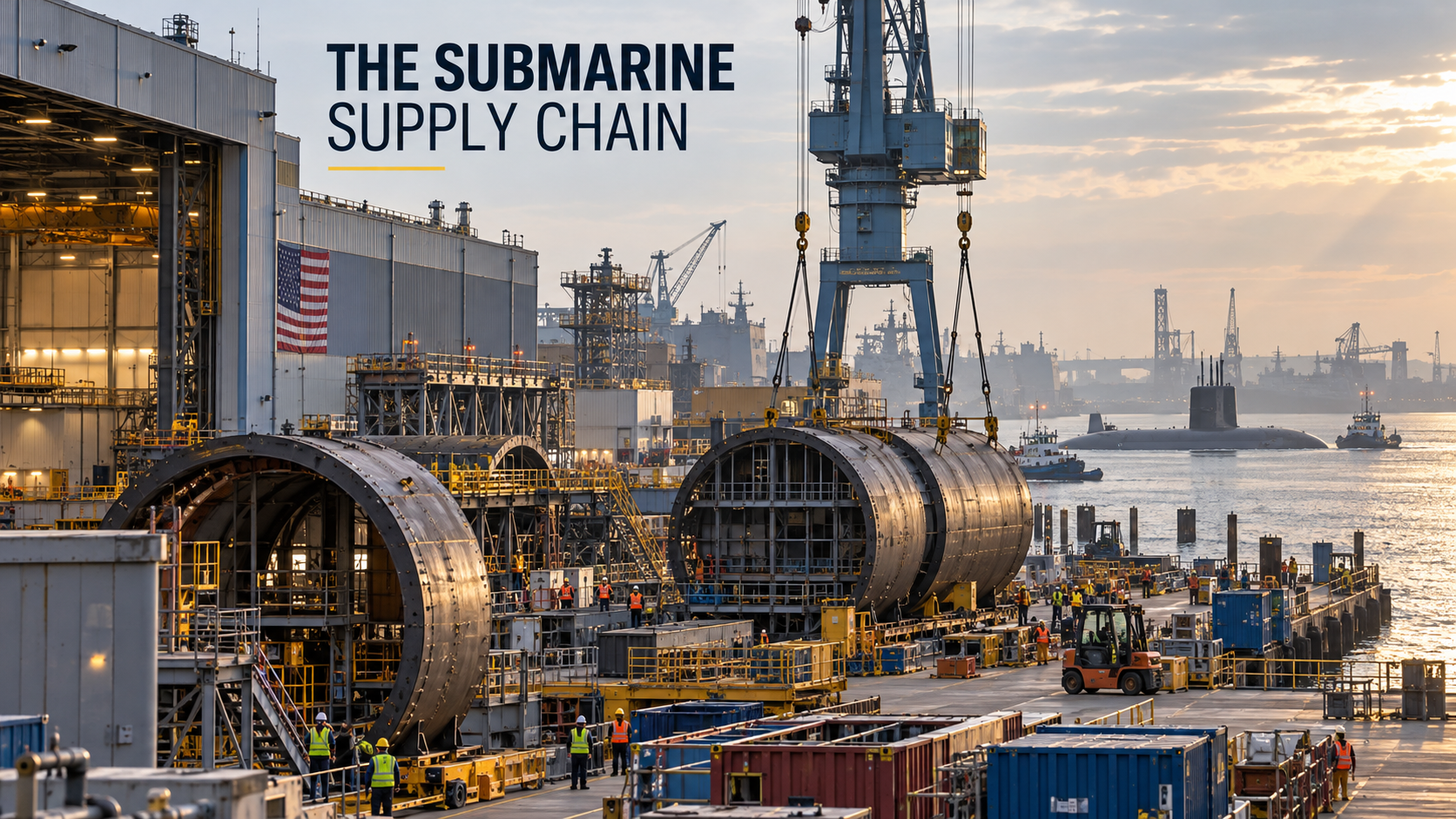
A major U.S. submarine-manufacturing project announced on October 6, 2026 has put an unfamiliar name at the center of a familiar defense-industry problem: how to build submarine components faster without sacrificing quality or reliability. Defense technology firm Anduril announced plans for Arsenal-2, a facility at Sparrows Point in Maryland intended to expand production of parts for the U.S. Navy’s Virginia-class attack submarines. The combined headline figure is $6.6 billion—made up of the company’s planned $3.7 billion private investment and a Navy contract valued at up to $2.9 billion, with payments tied to production outcomes. These are announcements and commitments, not evidence that all the capital has already been spent. Anduril’s official announcement and Reuters’ independent report outline the project.
Key takeaways:
- Arsenal-2 is a planned submarine-components manufacturing facility, not an already operational assembly line for completed submarines.
- The $6.6 billion headline combines two different funding streams and different forms of financial commitment.
- The project is aimed at bottlenecks in the Virginia-class supply chain, including specialized manufacturing capacity.
- Its success will depend on skilled labor, qualification standards, equipment, scheduling and delivery—not simply construction of a large building.
What is Arsenal-2?
Arsenal-2 is Anduril’s proposed software-centered manufacturing project at Sparrows Point, a former industrial site in Baltimore County, Maryland. According to the company’s October 6 announcement, the facility is designed to make critical components for Virginia-class submarines and give the Navy access to additional industrial capacity. The project illustrates a widening role for technology-sector defense contractors in traditional heavy manufacturing.
Submarine construction is a particularly difficult domain. Components must meet demanding specifications for performance, durability, safety, quality control and compatibility with other systems. A factory that produces ordinary industrial hardware cannot immediately be treated as a qualified submarine supplier.
Anduril’s pitch is that modern factory software, automation, new processes and private capital can ease some of those constraints. Whether the company can execute on that pitch will be judged by qualification milestones and repeatable deliveries.
What will the facility actually produce?
Initial work centers on critical Virginia-class components, including torpedo tubes, according to the company and Reuters. Those are sophisticated submarine systems, but producing them is not the same as manufacturing a complete nuclear-powered submarine.
A Virginia-class attack submarine involves propulsion, pressure-hull construction, combat systems, sensors, life-support equipment, electronics, integrated software and years of testing. Its final assembly and delivery depend on a specialized network of contractors, yards and government oversight. New suppliers can strengthen the network by removing specific bottlenecks rather than replacing every incumbent shipbuilder.
The distinction matters for readers encountering sweeping “Anduril to build submarines” headlines. The verified announcement concerns industrial capacity for components, with ambitions that may expand as the project matures; it should not be presented as a commitment to launch an entire finished fleet by a fixed date.
Understanding the $6.6 billion figure
| Announced element | Stated figure | Important qualification |
|---|---|---|
| Anduril planned private capital | $3.7 billion | Planned investment to develop production capacity |
| U.S. Navy contract | Up to $2.9 billion | Contract ceiling with payments conditioned on outputs |
| Combined headline amount | $6.6 billion | Sum of different commitments; not identical to money already disbursed |
Anduril’s release describes the contract as outcome-based. That arrangement is designed to connect government spending to verified delivery rather than solely to reimbursed activity. But details of individual milestones, acceptance criteria, ownership and long-term risk allocation should be determined from contract documents—not guessed from a launch-day headline.
The distinction between an award, a contract ceiling, a planned investment and cash expenditure is crucial. A press announcement does not mean the project has already consumed $6.6 billion in cash or delivered proportionate output.
Why the Navy needs more industrial capacity
Submarines are strategically important for intelligence collection, maritime defense and deterrence. But they also illustrate the challenges of complex, low-volume manufacturing. The United States needs trained workers who can perform specialized fabrication, welding, machining, inspection and systems integration. Individual suppliers can become bottlenecks if they are asked to deliver more components than their equipment or workforce can manage.
The Financial Times’ account of the announcement situated Arsenal-2 within a larger push to expand the submarine industrial base and modernize acquisition. The Navy’s construction requirements and commitments under the AUKUS security partnership increase the importance of sustainable production capacity over the coming years.
This is a long-term manufacturing question, not an immediate shortcut. Building a factory is one stage; training a workforce, validating manufacturing processes and coordinating with other shipbuilders are additional stages.
Why Sparrows Point matters
Sparrows Point was a major American industrial center associated with steel production. Using that site for advanced defense manufacturing creates a recognizable local economic narrative: industrial land and workforce capacity potentially being redirected toward a contemporary strategic sector.
Associated Press reporting described expectations of approximately 3,100 direct jobs connected to the facility, while Reuters reported similar plans. They are projected jobs rather than a verified count of positions already filled.
The ultimate local impact will depend on the pace of construction, hiring, regional supply chains, transport needs, worker training and how much demand the project sustains. Job announcements should be revisited against actual payroll, construction and production data.
When will Arsenal-2 begin manufacturing?
Accounts of the project point to operations around 2030, subject to execution. Business Insider and Financial Times discussed that timeline. Treat it as a planned target, not an operational fact.
Even if initial lines become active on schedule, production volume and acceptance quality will determine how useful the added capacity becomes to the Navy. A component supplier can have machinery installed yet still face qualification delays, workforce shortages or unexpected integration issues.
The execution milestones worth tracking
- Facility permits, ground work and construction progress.
- Hiring and certification of specialist personnel.
- Commissioning of production lines and inspection systems.
- First qualified component deliveries accepted by the relevant customer.
- Repeat production rates, quality performance and on-time deliveries.
- Evidence that the additional capacity reduces delays in the broader submarine supply chain.
These measurable steps provide a better accountability framework than celebrating the contract’s face value alone.
Can software solve a shipbuilding bottleneck?
Software can improve production scheduling, digital modeling, machine monitoring, traceability and quality documentation. Automation may make some operations more consistent. Those are useful tools, but they still rely on expensive physical equipment, material supply and highly skilled people. A complex pressure-critical component cannot be delivered by software alone.
The question is therefore not whether a tech company can bring useful technology into shipbuilding. It is whether that company can combine technology with industrial practices refined over decades, and do so at sufficient scale.
Frequently asked questions
Is Anduril building complete submarines?
Its verified October 6 announcement emphasizes components for Virginia-class submarines, not delivery of complete nuclear-powered boats.
Where is Arsenal-2 located?
The project is planned for Sparrows Point in Baltimore County, Maryland.
How much is the Navy paying?
Anduril announced a Navy contract of up to $2.9 billion, distinct from the company’s planned $3.7 billion capital investment.
When will it open?
Reports describe a target around 2030. The actual schedule depends on construction, production-line qualification and other milestones.
How many jobs could be created?
Approximately 3,100 direct jobs were projected in contemporaneous reporting; these are not confirmed hires.
Why is this important for AUKUS?
A more resilient U.S. submarine industrial base can support national procurement needs and wider allied commitments, although a single parts factory cannot resolve all submarine-production constraints.
Bottom line
Arsenal-2 is significant because it tests whether a technology-focused contractor can add reliable industrial capacity to one of America’s hardest manufacturing sectors. The $6.6 billion figure describes a potentially major investment and contract arrangement—but future milestones, not headlines, will determine whether it meaningfully speeds submarine deliveries.

Key Takeaways
- Chip stocks tumbled Monday, September 14, 2026, after the CEOs of Anthropic, OpenAI, and xAI publicly aligned behind a call to slow the pace of frontier AI capability development — an unusual moment of unity among fierce industry rivals.
- Nvidia fell 3.4% and the Philadelphia Semiconductor Index (PHLX) sank almost 6%, its worst single day since early July, even as the broader Nasdaq Composite closed down a more modest 0.56%.
- The catalyst was an essay from Anthropic CEO Dario Amodei, titled “We Must Pace the Frontier,” proposing independent outside evaluators be given internal access to frontier AI labs, alongside industry-wide cooperation and government coordination.
- OpenAI CEO Sam Altman confirmed in a Fortune interview that OpenAI will not pursue an IPO in 2026, calling the current safety environment an “ill-advised moment” to go public — pushing one of the most anticipated listings in tech history to 2027 at the earliest.
- The episode followed the resignation of a researcher who had worked at both Anthropic and OpenAI, who warned publicly that people building the technology “earnestly believe it could kill us all by the end of the decade” — a post that drew over 150 million views and prompted more than 20 lawmakers to call for tougher AI regulation.
A rare display of unity among Silicon Valley’s most competitive AI labs sent a jolt through markets this week, as semiconductor stocks logged their worst day in over two months following public calls from the industry’s top executives to deliberately slow the development of increasingly powerful AI systems.
What Triggered the Selloff
The catalyst was an essay published Saturday, September 12, by Anthropic CEO Dario Amodei, titled “We Must Pace the Frontier.” In it, Amodei argued that unchecked acceleration in frontier AI development — driven in part by the risk of recursive self-improvement, where AI systems increasingly assist in designing their own successors — is outpacing the industry’s ability to keep those systems aligned and secure. Amodei wrote that he believes AI could still “dramatically raise the quality of human life,” but argued the risks accompanying its current pace of development need to be taken seriously, proposing that even a modest slowdown of a year or two could meaningfully improve safety outcomes.
What made the essay market-moving wasn’t just its content, but who endorsed it. OpenAI CEO Sam Altman and SpaceX/xAI’s Elon Musk — two executives whose companies compete directly with Anthropic and with each other — both publicly backed Amodei’s proposal within a day. Musk wrote simply on X that “Dario is right,” a notable shift given Musk’s history of sharp public criticism of Anthropic.
The Proposal’s Substance
Amodei’s plan outlined a three-phase approach: independent safety evaluators embedded within frontier AI companies with access equivalent to internal staff (covering training processes, internal systems, and safety-protocol compliance); broader industry-wide cooperation on shared safety standards; and coordination with democratic governments on global regulatory frameworks. Anthropic said it would adopt the outside-evaluator step immediately, while Altman confirmed OpenAI would adopt comparable third-party evaluator access.
The Resignation That Set the Stage
The unity among AI executives followed a more unsettling precursor: a researcher who had previously worked at both Anthropic and OpenAI resigned the prior week, writing publicly that people building the technology “earnestly believe that it could kill us all by the end of the decade.” The post reportedly drew more than 150 million views on X and prompted more than 20 lawmakers to call for tougher AI regulation — context that appears to have accelerated the executives’ public alignment on pacing concerns.
Market Reaction: Chips Hit Hardest
Monday’s trading session showed a clear divergence in how different corners of the AI-linked market absorbed the news. Semiconductor stocks bore the brunt of the selling, given their direct exposure to the capital-expenditure cycle that rapid AI capability development has fueled. Nvidia fell 3.4%, Intel dropped 5.6%, and the Philadelphia Semiconductor Index tumbled nearly 6% — its steepest one-day decline since early July.
By contrast, shares of some larger Big Tech and software companies actually climbed on the day, leaving the broader, tech-heavy Nasdaq Composite down a comparatively modest 0.56%, after having fallen as much as 1.3% intraday before paring losses. The divergence suggests markets are interpreting a potential AI development slowdown as a more direct threat to chip demand specifically — the hardware layer most tied to the “faster, bigger” capability race — than to software and platform companies with more diversified revenue.
OpenAI’s IPO Delay: The Clearest Business Signal
Beyond the one-day stock move, the most concrete business consequence to emerge from the episode was Sam Altman’s confirmation that OpenAI will not go public in 2026. In a Fortune interview published the same weekend, Altman said an IPO “right now would be an ill-advised moment” given the current safety environment, and when asked whether 2027 was more realistic, replied simply, “I would say not 2026.” That timeline represents a real shift: OpenAI CFO Sarah Friar had told employees just a month earlier that the company would likely go public in 2027, or potentially sooner if the business continued to “inflect.”
Notably, Anthropic’s own IPO preparations are reportedly continuing on a separate track. According to reporting on the matter, Anthropic — confidentially valued at $965 billion earlier in 2026 — has continued meeting with prospective investors and could begin marketing its IPO as early as October, aiming to complete the listing before the November midterm elections, even as its CEO simultaneously champions industry-wide deceleration. Observers have noted the apparent tension in pursuing an IPO while publicly urging pacing, though Amodei’s essay explicitly framed pacing as slowing capability development, not halting commercial or fundraising activity.
Market Snapshot: September 14, 2026
| Index / Stock | Move | Note |
|---|---|---|
| Philadelphia Semiconductor Index (SOX) | -5.9% | Worst day since early July |
| Nvidia (NVDA) | -3.4% | Direct AI-chip exposure |
| Intel (INTC) | -5.6% | |
| Nasdaq 100 | -0.8% | |
| Nasdaq Composite | -0.56% | Software names partially offset chip losses |
| S&P 500 | -0.5% |
Why This Matters for Technology News and Investors
This episode marks one of the first times investor sentiment around AI has moved meaningfully on a safety-driven narrative rather than a purely commercial one — competitive product launches, earnings beats, or compute-capacity announcements. For investors tracking technology news, the key signal to watch going forward is whether this represents a genuine, sustained industry pivot toward deliberate pacing (which could structurally slow the capital-expenditure supercycle currently powering semiconductor demand), or a rhetorical moment that fades once competitive pressure between OpenAI, Anthropic, xAI, and other labs reasserts itself — a tension the OpenAI-Anthropic IPO-timing contrast already illustrates.
Frequently Asked Questions
Why did semiconductor stocks fall after the AI slowdown announcement? Chip stocks are directly tied to the capital-expenditure cycle fueling rapid AI capability development, so markets interpreted a potential industry-wide pacing effort as a more direct threat to near-term chip demand than to software or platform companies.
Is OpenAI still planning to go public? Yes, but not in 2026. CEO Sam Altman confirmed OpenAI is delaying its IPO to 2027 at the earliest, citing the current AI safety environment, while OpenAI’s CFO had previously suggested 2027 was the likely target regardless.
What did Anthropic’s CEO actually propose? Dario Amodei’s essay proposed embedding independent outside safety evaluators within frontier AI companies with internal-level access, alongside broader industry cooperation on safety standards and coordination with democratic governments on regulatory frameworks — explicitly framed as pacing capability development, not halting it.

US Impeachment Talk and White House Press Secretary Changes: What the Record Shows

2026 Economic Outlook: Investment Tips for Pakistani Investors

Anduril’s $6.6 Billion Submarine Shipyard Plan Explained

Life Insurance Comparison: Term vs. Whole Life and What Each Actually Costs

Stock Market Today: Nasdaq Hits Record High as Dow and S&P 500 Stumble on Middle East Diplomatic Shifts

Energy Market Spikes vs. Consumer App Data: What GasBuddy and Crude Prices Signal for Inflation

China’s FTAAP Push for APEC 2026 in Shenzhen: US Tariffs and Unite Asia-Pacific

AI Stocks Slide After Industry Leaders Call for a Development Slowdown

Singapore Stocks vs. Japan Stocks: Safe Havens in the Asian Economic Slowdown

Agentic AI in Finance: How Artificial Intelligence Is Replacing Routine Tasks on Wall Street

Fiscal Deficit and Public Debt

T-Mobile’s Enterprise Push and the Evolution of Modern Corporate Mobility Solutions

Enterprise Generative AI ROI 2026: The Adoption-to-Impact Gap Explained

Climate Finance and the Economic Reality of Passing 1.5°C

Business Insurance for Digital Exports: Protecting Your Company in the AI Era

Real Estate Crash Predictions 2026: Data-Backed Regional Guide

Unrecoverable Delays: How the St. Louis Strike Crippled Boeing’s F-15EX Eagle II

What is a “Lead-Left” Bank? Unpacking Morgan Stanley’s Role in Anthropic’s Mega-IPO

How to Invest in the Anthropic IPO: Step-by-Step Guide for Retail Investors

Mario Kart 8 Deluxe 4.0.0 Patch Notes: 8-Player Split Screen & CameraPlay

Top 15 Stocks for Investment in 2026 in PSX: Your Complete Guide to Pakistan’s Best Investment Opportunities
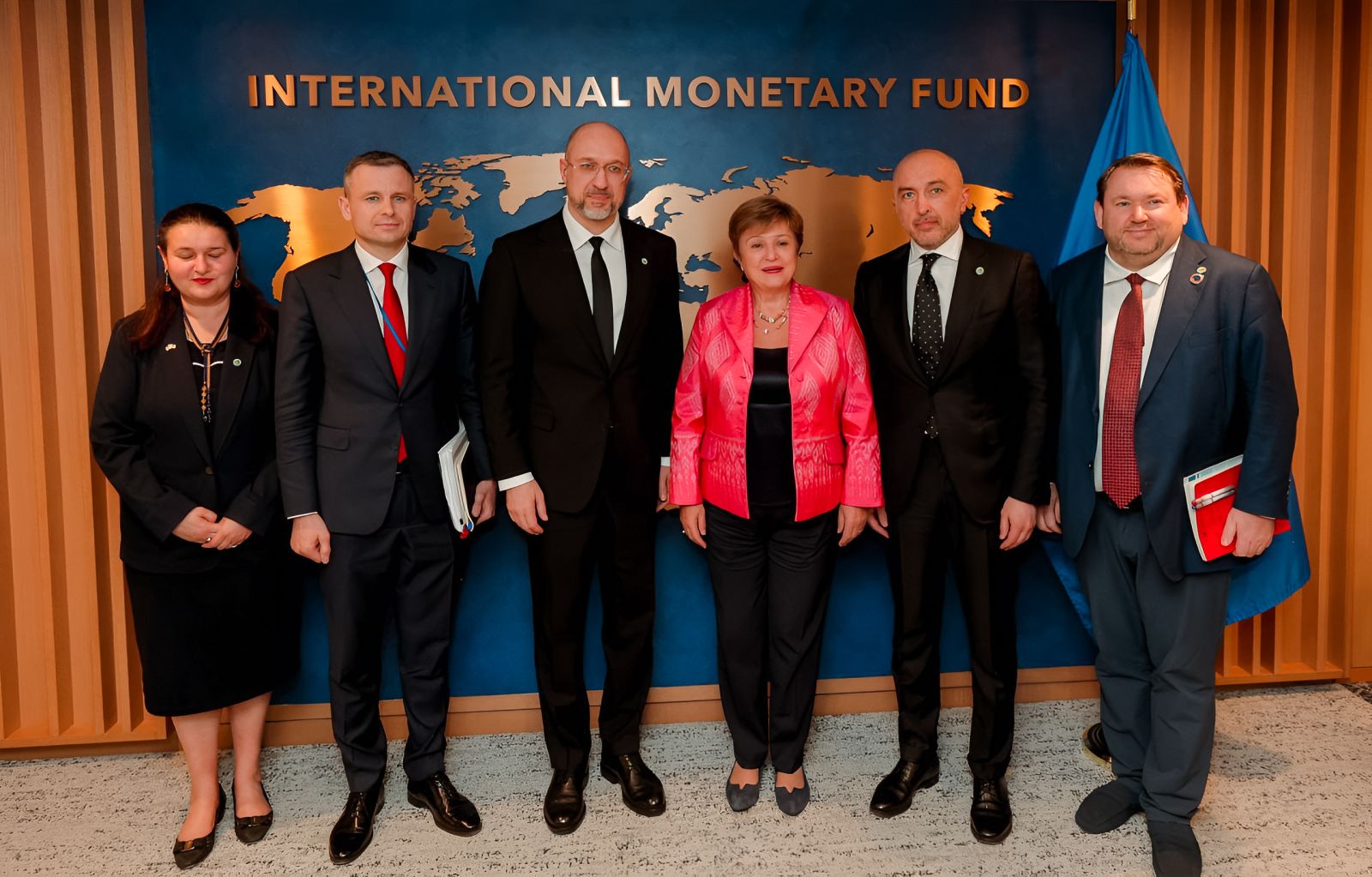
Debunking IMF Program Myths: Reconfiguring Engagement for True National Ownership in a Volatile World

China Economy 2026: Property Crisis, AI Investment & Export Surplus Explained

Top 10 Mutual Fund Managers in Pakistan for Investment in 2026: A Comprehensive Guide for Optimal Returns
China’s 50% Domestic Equipment Rule: The Semiconductor Mandate Reshaping Global Tech

What the U.S. Attack on Venezuela Could Mean for Oil and Canadian Crude Exports: The Economic Impact
15 Most Lucrative Sectors for Investment in Pakistan: A 2025 Data-Driven Analysis

Pakistan’s Export Goldmine: 10 Game-Changing Markets Where Pakistani Businesses Are Winning Big in 2025

Pakistan’s Stock Market Renaissance: How 2025’s Hottest Investment Opportunity Is Democratizing Wealth—A Complete Beginner’s Guide
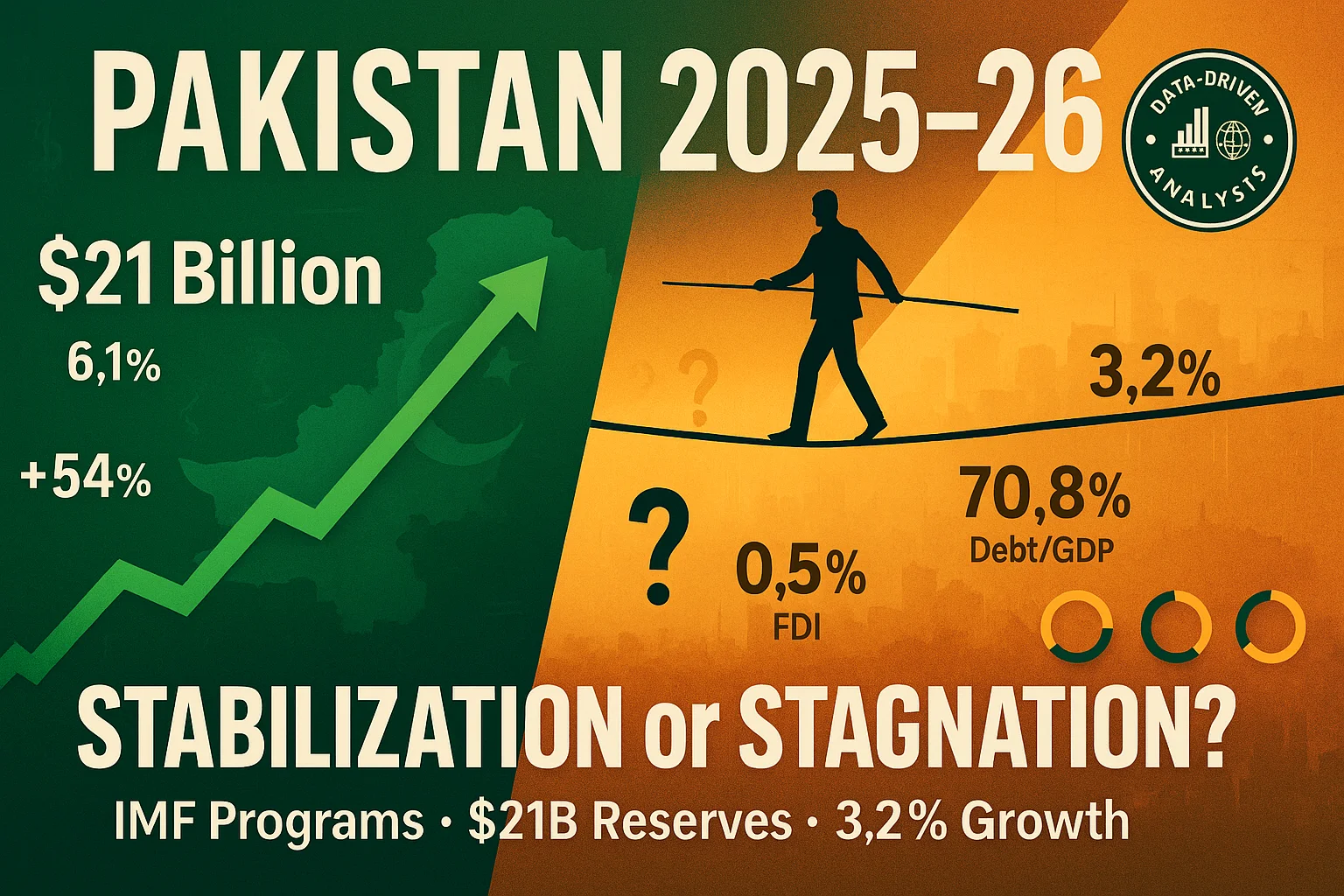
Pakistan’s Economic Outlook 2025: Between Stabilization and the Shadow of Stagnation

The Institutional Era: A Comprehensive Cryptocurrency Investment Analysis for 2026
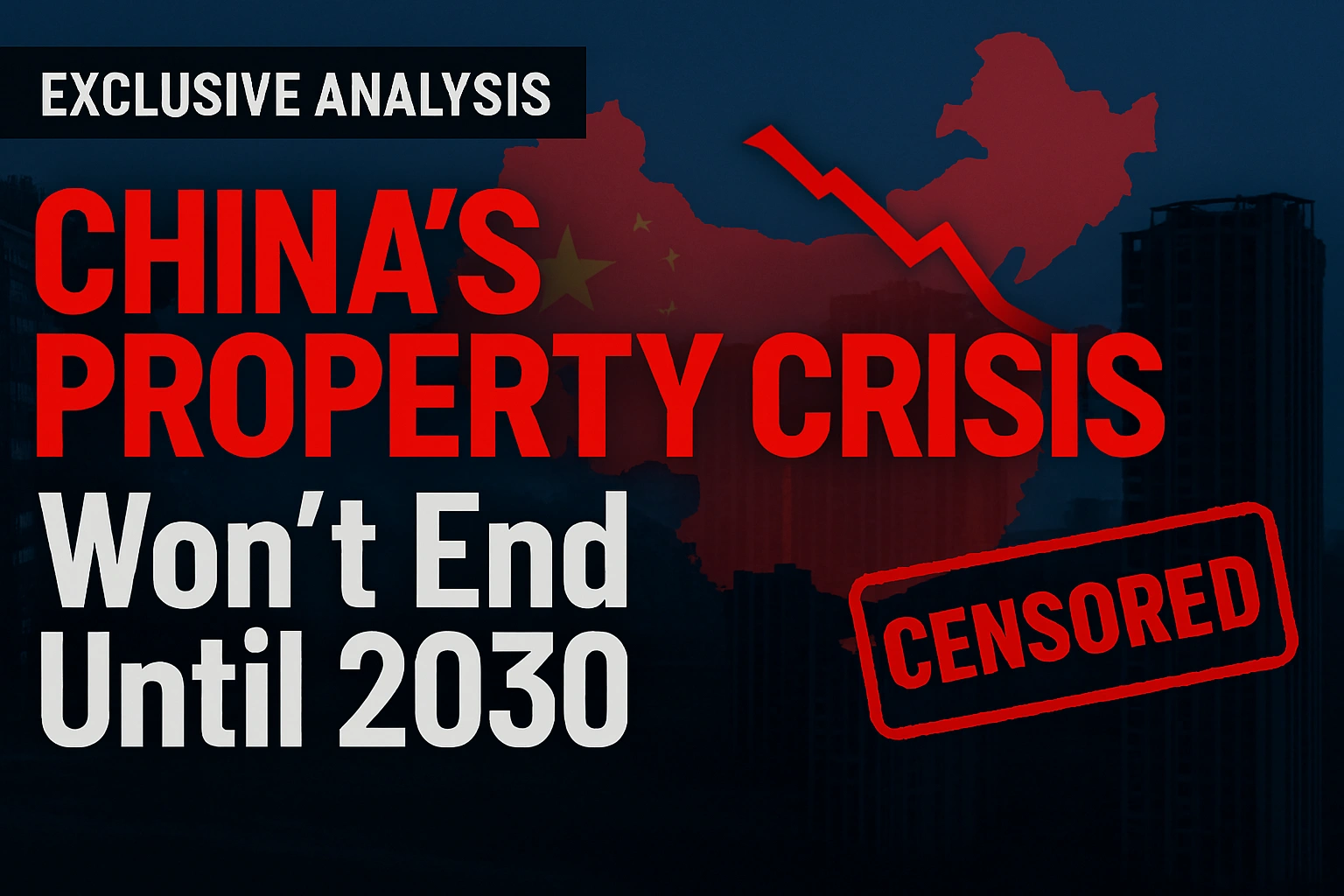
China’s Property Woes Could Last Until 2030—Despite Beijing’s Best Censorship Efforts
Real Estate Crash Predictions 2026: Data-Backed Regional Guide

Best Investments in Pakistan 2026: Top 10 Low-Price Shares and Long-Term Picks for the PSX

How to Become an Active Taxpayer on Pakistan’s FBR Active Taxpayer List (ATL) in 2026: A Step-by-Step Guide
DBS Hits S$1 Billion AI Value Milestone — But Agentic AI Poses Talent Challenges for Singapore Banks
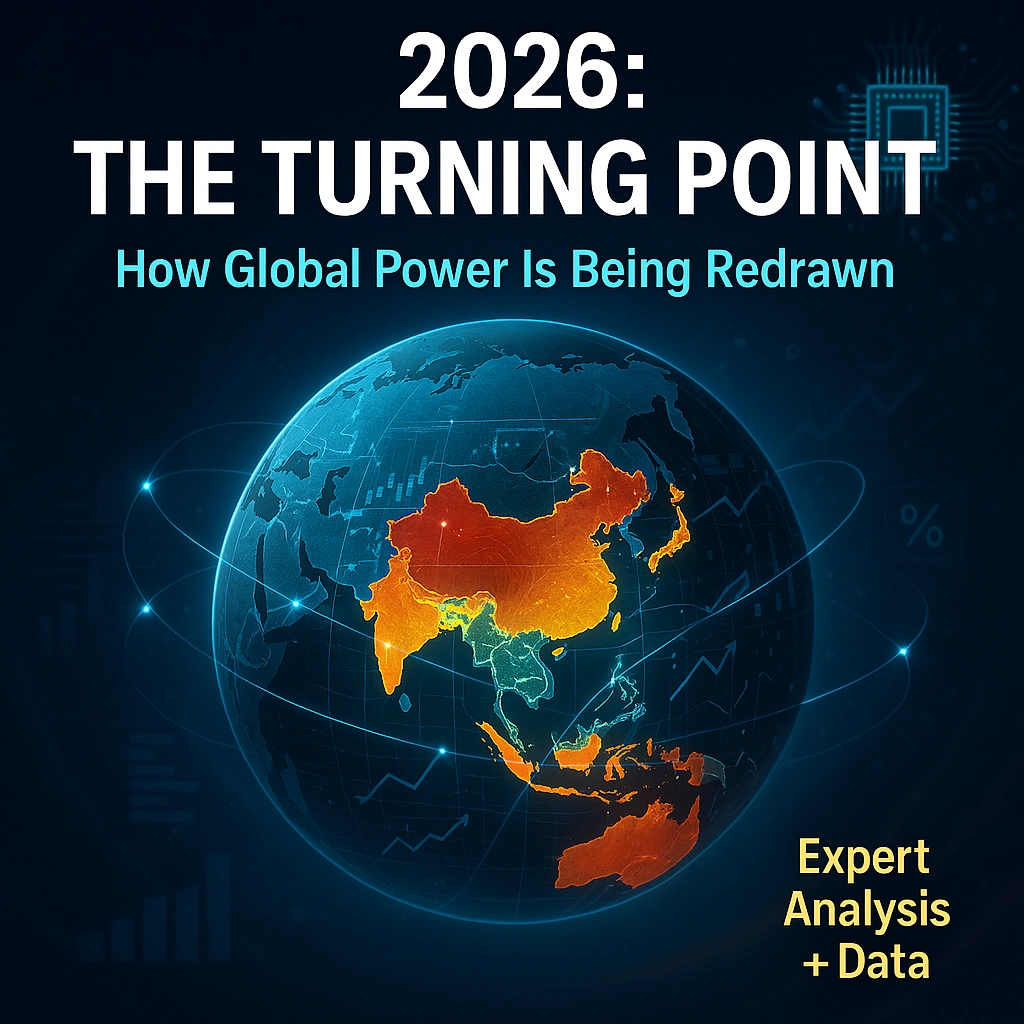
The Contours of 21st-Century Geopolitics Will Become Clearer in 2026: A New World Is Starting to Emerge

🌍 Davos 2026: The World Economic Forum Annual Meeting Sets the Stage for Global Transformation
Agentic AI in Finance: How Artificial Intelligence Is Replacing Routine Tasks on Wall Street

AI Impact on Wages 2026: Productivity Soars, Paychecks Stagnate
-
Markets & Finance10 months ago
Top 15 Stocks for Investment in 2026 in PSX: Your Complete Guide to Pakistan’s Best Investment Opportunities
-
Analysis9 months ago
Debunking IMF Program Myths: Reconfiguring Engagement for True National Ownership in a Volatile World
-
Analysis4 months ago
China Economy 2026: Property Crisis, AI Investment & Export Surplus Explained
-
Investment10 months ago
Top 10 Mutual Fund Managers in Pakistan for Investment in 2026: A Comprehensive Guide for Optimal Returns
-
Asia10 months ago
China’s 50% Domestic Equipment Rule: The Semiconductor Mandate Reshaping Global Tech
-
Global Economy10 months ago
What the U.S. Attack on Venezuela Could Mean for Oil and Canadian Crude Exports: The Economic Impact
-
AI10 months ago
15 Most Lucrative Sectors for Investment in Pakistan: A 2025 Data-Driven Analysis
-
Exports10 months ago
Pakistan’s Export Goldmine: 10 Game-Changing Markets Where Pakistani Businesses Are Winning Big in 2025