
Business
Stock Market Today: Wall Street Rallies Ahead of Fed Decision as Big Tech Earnings Loom

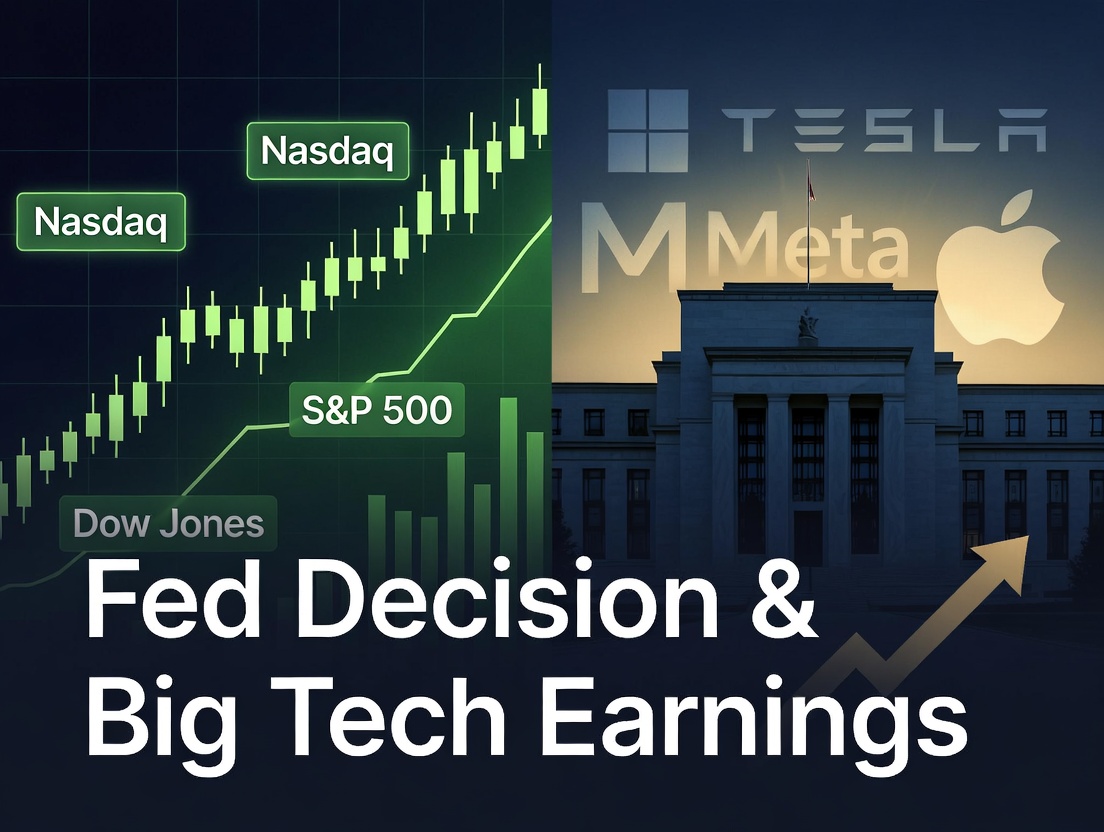
Wall Street opened Wednesday with cautious optimism, as investors positioned for a consequential convergence of monetary policy and corporate earnings that could define the market’s trajectory for months to come. Nasdaq 100 futures rose about 0.5% Yahoo Finance, leading the advance, while S&P 500 futures inched up 0.2% Yahoo Finance. The technology-heavy surge offered a counterpoint to Dow futures, which struggled near the flatline amid sector-specific pressures.
The stock market today reflects a delicate balancing act. The S&P 500 notched a record close on Tuesday of 6,978 Yahoo Finance, placing the benchmark index tantalizingly close to the psychological 7,000 threshold. Yet beneath this surface strength lies a web of uncertainties that few earnings seasons have had to navigate simultaneously: a Federal Reserve caught between political pressure and institutional independence, trillion-dollar questions about artificial intelligence returns, and the specter of policy upheaval at the world’s most powerful central bank.
The Fed Decision: Politics Meets Monetary Policy
Wednesday afternoon’s Federal Reserve announcement marks the central bank’s first rate decision of 2026, and the stakes extend well beyond the expected outcome. CME Group’s Fedwatch tool indicates a 97.2% probability that the Fed will maintain interest rates at the current 3.5% to 3.75% range Stocktwits, effectively pausing the easing cycle that delivered three consecutive quarter-point cuts in the final months of 2025.
The pause itself is unremarkable. What transforms this meeting into a pivotal moment is the extraordinary political backdrop. Earlier this month, the Justice Department served the Fed with subpoenas over testimony Powell made before Congress related to the $2.5bn renovation of the central bank’s headquarters Al Jazeera. In a rare video statement, Powell characterized these moves as pretexts designed to undermine the Fed’s independence, declaring that the threat of criminal charges stemmed from the central bank setting rates based on economic assessment rather than presidential preferences.
The tension between the White House and the Fed has been simmering for months. President Trump has repeatedly called for lower interest rates, even as inflation remains elevated above the Fed’s two percent target. Markets currently expect the Fed to cut once or twice this year — most likely in June and December, according to futures market pricing CNBC. That measured approach stands in sharp contrast to the administration’s more aggressive stance, creating what some economists describe as the most fraught period for central bank independence in modern American history.
According to CNBC, Chair Powell’s press conference will likely become a referendum on Fed autonomy as much as a policy briefing. The question hanging over Wednesday afternoon is whether Powell can navigate this political minefield while maintaining the institutional credibility that underpins effective monetary policy.
Big Tech Earnings: The AI Reckoning Begins
While the Fed commands immediate attention, the real test for equity markets arrives after the closing bell. Microsoft, Meta Platforms, and Tesla report fourth-quarter results Wednesday evening, followed by Apple on Thursday. Collectively, these technology behemoths will provide the first comprehensive read on whether the extraordinary capital expenditures flowing toward artificial intelligence infrastructure are beginning to generate commensurate returns.
The numbers tell a sobering tale of investor expectations. For Microsoft, the expectation is of $3.88 per share in earnings on $80.2 billion in revenues, representing year-over-year growth rates of +20.1% and +15.2% Yahoo Finance. Yet the stock has underperformed recently, pressured by concerns about margin compression as AI-related spending accelerates. Analysts polled by FactSet expect capex to rise to $99 billion this fiscal year CNBC, up substantially from prior periods.
Meta faces perhaps the most acute scrutiny. Analysts expect $8.15 per share in earnings on $58.4 billion in revenues, representing year-over-year growth rates of +1.6% and +20.7% Yahoo Finance. The modest earnings growth belies massive investments in AI and the metaverse. When Meta last reported in October, the stock tumbled despite solid fundamentals, a reaction driven entirely by elevated spending guidance. Investors want clarity on when these investments translate into bottom-line results.
Tesla’s position is equally precarious. The electric vehicle maker faces headwinds from increased competition and margin pressure in its core automotive business, even as it advances autonomous vehicle technology. Apple, meanwhile, must demonstrate that its iPhone supercycle thesis remains intact while addressing questions about its own AI strategy and capital allocation.
Bloomberg reports that the four hyperscalers — Microsoft, Meta, Alphabet, and Amazon — are expected to boost capital expenditures to over $470 billion in 2026 from approximately $350 billion in 2025. That represents an investment surge of historic proportions, predicated on the assumption that artificial intelligence will fundamentally reshape the technology landscape. Whether that thesis proves correct may hinge on the guidance these companies provide this week.
Market Breadth and Underlying Dynamics
The divergence in Wednesday’s pre-market action speaks to broader market tensions. While technology shares lifted Nasdaq futures, the Dow struggled under the weight of sector-specific disappointments. UnitedHealth’s shares tumbled over 15% Yahoo Finance after the Trump administration announced it would keep Medicare payment rates steady, triggering a broader retreat across healthcare insurers.
This uneven performance reflects a market grappling with rotating leadership and uncertain catalysts. The S&P 500’s record close Tuesday marked impressive resilience, yet that strength remains concentrated in a narrow cohort of stocks. The Magnificent Seven technology giants, which once powered market gains with seemingly effortless momentum, have lagged the broader market over the trailing twelve months. Their collective performance through this earnings season will likely determine whether market breadth finally expands or concentration intensifies.
The Path Forward: Scenarios and Implications
As Wednesday’s events unfold, three distinct scenarios emerge. In the first, Powell delivers a dovish hold, signaling patience on rates while emphasizing the Fed’s data-dependent approach. Big Tech earnings meet or exceed expectations, with management teams providing credible paths to AI monetization. Markets rally on reduced uncertainty, and the S&P 500 pushes decisively above 7,000.
The second scenario is less benign. Powell’s press conference devolves into repeated questions about political pressure, undermining confidence in Fed independence. Tech earnings disappoint, or worse, guidance points to continued spending without clear revenue visibility. Volatility spikes as investors reassess both policy support and growth assumptions.
The third possibility splits the difference: The Fed maintains its cautious stance successfully, but tech earnings prove mixed, with some companies demonstrating AI progress while others struggle. Markets digest the results without dramatic moves, entering a period of consolidation as investors await more data.
What seems increasingly clear is that 2026 will test market resilience in ways that 2025’s concentrated leadership never fully addressed. The stock market today stands at an inflection point, caught between political uncertainty, technological transformation, and the timeless challenge of valuation. How these forces resolve may well determine whether this year’s market narrative proves triumphant or cautionary.


The New Risk Frontier of Digital Exports
As software, AI models, digital media, and cross-border SaaS platforms dominate global trade, traditional commercial property and casualty insurance is no longer sufficient. Digital exporters face complex liabilities ranging from cross-border data privacy breaches and algorithmic bias claims to intellectual property infringement in foreign jurisdictions. In 2026, protecting a borderless digital enterprise requires specialized insurance coverage tailored to intangible asset risks.
Failing to secure robust digital export insurance can expose founders and shareholders to catastrophic lawsuits originating from overseas regulatory bodies.
Essential Coverages for Digital Export Enterprises
Cyber Liability and Algorithmic Error Coverage
If an AI model or software product exported overseas malfunctions or suffers a data breach, foreign regulators can levy severe fines under regional privacy laws. Modern cyber policies cover both regulatory defense costs and third-party damages.
Intellectual Property and Copyright Defense
Digital creators and SaaS firms operating globally are frequent targets of frivolous IP litigation in unfamiliar legal systems. Specialized IP insurance covers the exorbitant legal fees required to defend international patents and copyrights.
| Insurance Policy Type | Primary Protection Area | Target Enterprise | Average Annual Premium |
| Global Cyber Liability | Data breaches, ransomware, AI output errors | SaaS & AI Platforms | $5,000 – $18,000 |
| E&O Professional Liability | Service failures, missed deliverables | Digital Consultancies & Agencies | $3,000 – $10,000 |
| International IP Defense | Foreign copyright & patent lawsuits | Software Developers & Creators | $7,000 – $25,000 |
Securing Comprehensive Coverage: Best Practices
Navigating the insurance market for digital exports requires partnering with specialized brokers who understand intangible asset exposures.
Audit Geographic Exposures: Clearly map where your digital users reside to ensure your policy covers those specific regulatory jurisdictions.
Verify AI Exclusion Clauses: Carefully review policy wording to ensure your generative AI or automated tools are not explicitly excluded from coverage.
Maintain Incident Response Protocols: Insurers offer lower premiums to firms that demonstrate rigorous cybersecurity and data governance standards.
“Risk Management Expert Note: Your software may be intangible, but your liability in foreign markets is entirely real. Comprehensive digital export insurance is the ultimate shield for borderless growth.”
Equipping your digital export enterprise with specialized insurance safeguards your balance sheet and ensures uninterrupted global expansion.
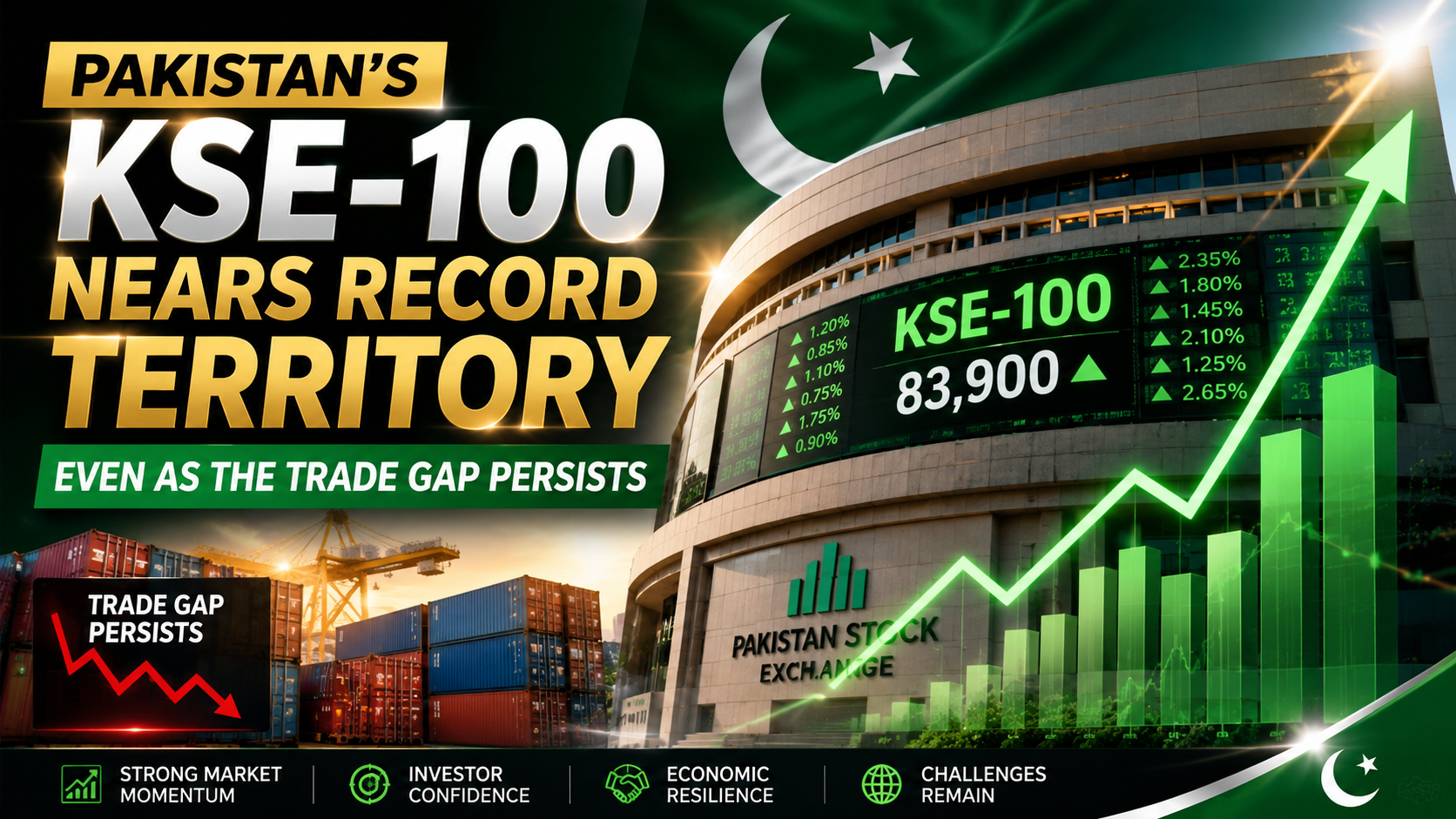
Pakistan’s KSE-100 is up nearly 19% year-on-year and within striking distance of its all-time high — even as the country’s structural trade deficit remains unresolved. Here’s the full picture.
Pakistan’s stock market is delivering one of the more remarkable emerging-market growth stories of 2026, even as the country’s underlying trade imbalance remains a live structural concern. Per Trading Economics, the KSE-100 fell to 178,213 points on August 18, 2026, losing 1.27% from the previous session — but the index remains up 18.99% compared to the same time last year and has climbed 1.30% over the past month, with the index having touched an all-time high of 189,556 points.
Key Takeaways
- The KSE-100 stood at 178,213 points on August 18, 2026, up 18.99% year-on-year, and within range of its all-time high of 189,556.
- The index has gained 10.89% over the past four weeks and 64.89% over the past twelve months by an alternate measure of the same rally.
- The rally is being driven by macro stabilisation, S&P’s credit upgrade (see Article 4), and renewed foreign portfolio inflows.
- Pakistan’s structural trade gap — imports consistently exceeding exports — remains unresolved even as equities rally.
- Historical precedent (2024’s record run) shows KSE-100 rallies have previously been fuelled by the largest foreign equity buying in a decade.
The scale of the multi-year rally is worth putting in context, because Pakistan’s equity market has been one of the standout performers globally over an extended stretch, not just a recent spike. The Trading Economics data shows the index gained 10.89% over a recent four-week window and 64.89% over the trailing twelve months, reaching successive all-time highs through late 2025 and into 2026 — from 170,249 in mid-December 2025 to 170,719 by year-end to 189,556 at its most recent peak.
This isn’t the first time Pakistan’s market has rallied on this scale, and the historical pattern is instructive. A Bloomberg report from a prior cycle describes the KSE-100 closing near a then-record high after gaining more than 30% in a single year, aided by foreign investors’ net purchases of $87 million in local shares — at the time, the highest level of foreign buying since 2014. The current rally, still building on that earlier momentum, reflects a continuation of the same foreign-inflow-driven dynamic, now reinforced by the macro stabilisation narrative detailed in Article 4: S&P’s July 22 upgrade of Pakistan’s sovereign credit rating to ‘B’ from ‘B-‘, alongside a 22-year-low fiscal deficit of 2.6% of GDP.
What the rally does not resolve, however, is Pakistan’s persistent external trade imbalance — a structural feature the equity euphoria sits somewhat uneasily alongside. Pakistan’s own national statistics, summarized on Wikipedia’s Economy of Pakistan page using official data, show exports of $40.79 billion against imports of $78.02 billion in 2025 — a nearly $37 billion gap, with petroleum imports alone totaling $15.1 billion, textiles remaining the dominant export category at $16.3 billion, and China, the UAE and the US as the country’s largest trading partners on both sides of the ledger.
Business press coverage from Business Recorder captures the tension in real time: alongside reporting on the fiscal deficit improvement and credit upgrade, the same outlet has separately reported on Pakistan’s textile mills being “caught in a contradiction they did not design” regarding their European buyers, and on the Finance Division sounding “the alarm over the persistent inflation” even as headline stabilisation indicators improve — evidence that the equity rally and the export-competitiveness challenge are running on genuinely separate tracks, both real, both simultaneously true.
Why It Matters
A market this close to record highs, riding genuine macro-improvement momentum, sends a strong signal to portfolio investors evaluating frontier and emerging markets broadly — but the persistent trade gap is the metric that ultimately determines how much of that momentum translates into durable currency stability and reduced dependence on IMF and bilateral bridge financing.
Data and Evidence
- KSE-100, August 18, 2026: 178,213 points, -1.27% daily, +18.99% YoY, +1.30% over the past month
- KSE-100 all-time high: 189,556 points
- 2025 exports: $40.79bn; 2025 imports: $78.02bn (petroleum: $15.1bn of the total)
- S&P sovereign rating: upgraded to ‘B’ from ‘B-‘ (July 22, 2026)
- FY2025-26 fiscal deficit: 2.6% of GDP, a 22-year low
Global Impact
Pakistan’s equity rally, set against a still-wide trade deficit, is a data point international frontier-market investors weigh alongside similar stabilisation-but-imbalanced stories in other IMF-program economies — a useful comparative lens for any reader tracking emerging-market risk more broadly across this batch’s coverage of Indonesia (Article 11) and other developing economies.
What Happens Next
Watch whether the KSE-100 tests its 189,556 all-time high in the coming weeks, and whether Pakistan’s upcoming trade data shows any narrowing of the export-import gap as the fiscal stabilisation narrative continues to build.
Frequently Asked Questions
Is the KSE-100 at a record high right now?
Not quite — as of August 18, 2026 it stood at 178,213, below its all-time high of 189,556, though up nearly 19% year-on-year.
What’s driving the rally?
Macro stabilisation, the S&P credit rating upgrade, a record-low fiscal deficit, and renewed foreign portfolio inflows.
Does the stock rally mean Pakistan’s economy has fully recovered?
Not entirely — the country’s structural trade deficit, with imports far exceeding exports, remains unresolved.
How big is Pakistan’s trade gap?
Roughly $37 billion in 2025, with imports of $78.02 billion against exports of $40.79 billion.
Has Pakistan’s market rallied like this before?
Yes — a similar rally in 2024 was driven by the largest foreign equity buying in a decade at that time.

American consumers delivered a double dose of weak data last week, and markets are still recalibrating what it means for the Federal Reserve’s next move. Retail sales fell unexpectedly in July while consumer sentiment posted its first monthly decline in three months — a combination that has pushed the odds of Fed action lower even as inflation concerns keep the central bank’s path anything but settled.
The Numbers That Moved Markets
Headline retail sales fell 0.6% in July to $763.6 billion, an unexpected decline, while core retail sales — excluding volatile categories — fell 0.3%, missing expectations on both counts. Consumer sentiment told an even starker story: the University of Michigan’s index dropped to 51.0 in August, well below the 54.5 economists had forecast — a reading low enough to raise questions about the durability of consumer spending heading into the back half of the year.
The market reaction was immediate. The dollar index fell 0.27% as the weak data reduced the probability of a September Fed rate move to roughly 32%, down from 35% the day before, according to rate-futures pricing. That move was reinforced by a broader shift in risk sentiment after President Trump appeared to step back from plans for further major military action against Iran, favouring economic pressure instead — reducing safe-haven demand for the dollar on top of the weak domestic data.
A Softer Consumer, But Not a Collapsing One
The picture is nuanced rather than uniformly gloomy. One report noted that retailers using tariff refunds to cut prices may be helping bring down inflation, adding to the broader market view that price pressures could ease even as spending cools — a combination that, if it holds, would give the Fed more room to prioritise growth support over inflation vigilance.
Corporate earnings released the same week offered a partial counterweight to the soft consumer data. Applied Materials reported third-quarter results showing that higher demand tied to artificial intelligence continued to support its business, reinforcing the now-familiar pattern in 2026 US markets: AI-linked capital spending remains robust even as traditional consumer-facing indicators soften.
Equity markets took the mixed signals in stride rather than panicking. At midday on the day of the release, the Nasdaq Composite fell 0.44%, the Dow Jones Industrial Average lost 0.21%, and the S&P 500 slipped 0.19% — modest declines that suggest investors read the data as consistent with a “soft landing” narrative rather than a recession warning.
The Fed’s Balancing Act
The weak retail and sentiment data arrived on top of an already-building case for caution at the Fed. A separate Seeking Alpha report described Fed rate-hike odds for September sliding further after the unexpected drop in retail sales and the first decline in consumer sentiment in three months, part of what the outlet called a broader raft of soft economic data across the week.
That said, the picture the Fed faces is genuinely mixed rather than one-directional. The same week’s economic briefings noted that the 10-year Treasury note yield rose 5 basis points despite the weak reports, driven by lingering inflation concerns tied in part to the elevated oil prices flowing from the Middle East conflict — the same dynamic complicating central bank calculus in the UK and across much of the developed world this year.
What It Means Heading Into September
The net effect is a Federal Reserve now navigating a genuinely two-sided risk environment: a softening domestic consumer that would normally argue for lower rates, against an energy-driven inflation risk that argues for caution. With September Fed odds now hovering in the low-to-mid 30% range for further tightening — effectively pricing a Fed on hold rather than hiking — markets appear to be betting that policymakers will prioritise the growth signal over the inflation signal, at least for now.
The coming weeks of data, particularly the next round of CPI and PCE inflation readings, are likely to be decisive in confirming or overturning that bet.
Key Takeaways
- US retail sales fell 0.6% in July, missing expectations, while core retail sales dropped 0.3%.
- Consumer sentiment fell to 51.0 in August, its first decline in three months and well below the 54.5 forecast.
- September Fed rate-hike odds fell to roughly 32% from 35% following the data.
- AI-linked corporate demand, evidenced by Applied Materials’ results, remains a bright spot even as broader consumer indicators soften.
- Treasury yields rose despite the weak data, reflecting lingering inflation concerns tied to elevated oil prices.
Frequently Asked Questions
How much did US retail sales fall in July 2026? US retail sales fell 0.6% in July to $763.6 billion, an unexpected decline, with core retail sales down 0.3%.
What happened to US consumer sentiment in August 2026? The University of Michigan consumer sentiment index dropped to 51.0 in August, its first monthly decline in three months and well below the 54.5 economists had forecast.
What are the odds of a Fed rate move in September 2026? Following the weak retail sales and sentiment data, the probability of Fed action in September fell to roughly 32%, down from 35% the previous day.

Climate Finance and the Economic Reality of Passing 1.5°C
Business Insurance for Digital Exports: Protecting Your Company in the AI Era

Real Estate Crash Predictions 2026: Data-Backed Regional Guide

Unrecoverable Delays: How the St. Louis Strike Crippled Boeing’s F-15EX Eagle II

What is a “Lead-Left” Bank? Unpacking Morgan Stanley’s Role in Anthropic’s Mega-IPO

How to Invest in the Anthropic IPO: Step-by-Step Guide for Retail Investors

Mario Kart 8 Deluxe 4.0.0 Patch Notes: 8-Player Split Screen & CameraPlay
Is SPY Overvalued in September 2026? Fed Rate Hike Odds & Intrinsic Value
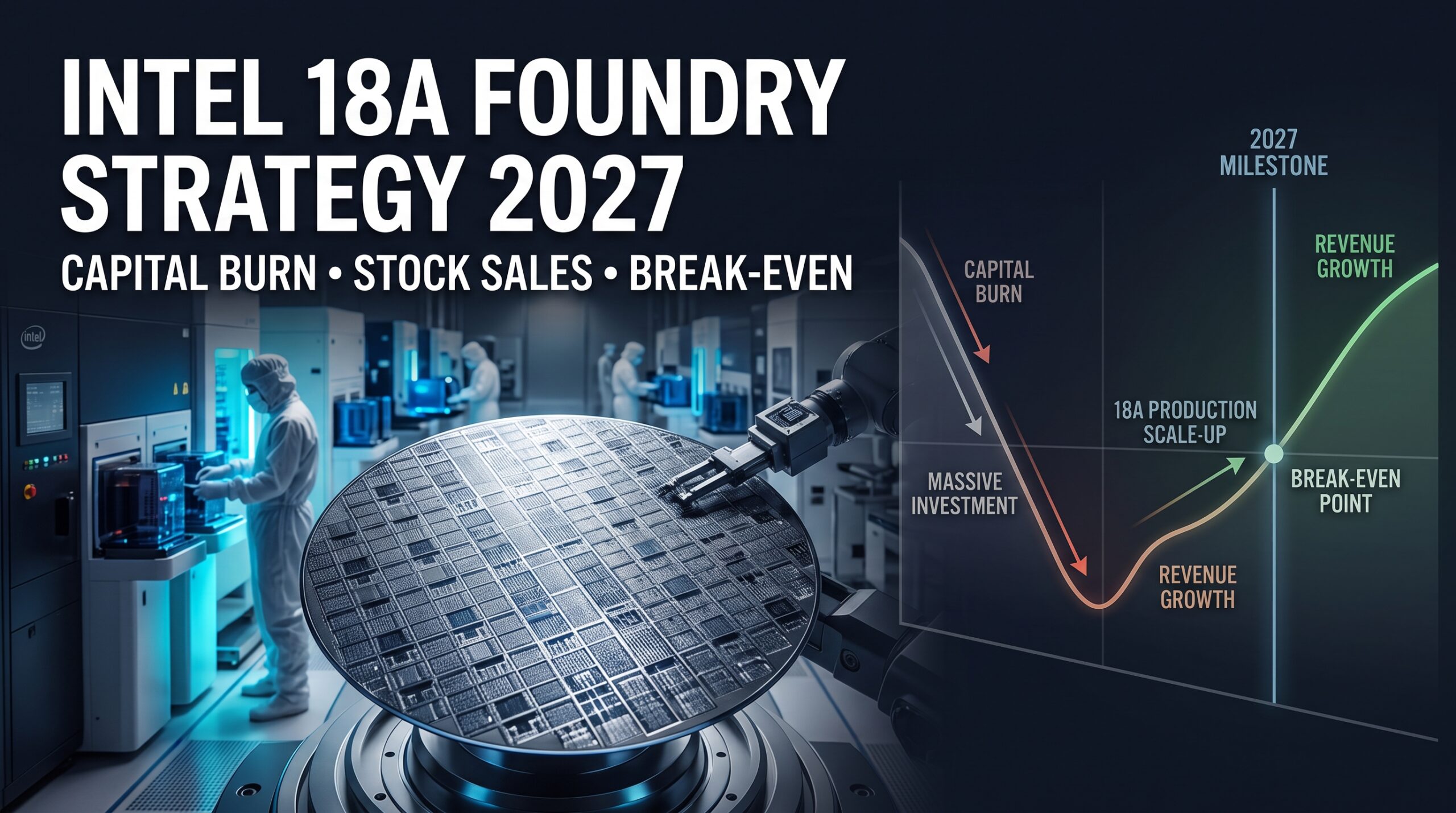
Intel 18A Foundry Strategy 2027: Capital Burn, Stock Sales & Break-Even Timeline
Trump Approval Hits 33% Low: What It Means for Markets & Midterms

Crypto Trading: Why AI Tools Are Changing Gen Z Investing

AI Creator Deals: How Contracts Protect Influencers

Gen Z AI Skills: Online Degrees That Boost Job Prospects

AI Automation Tools Transform Gen Z Creator Careers
Pakistan’s KSE-100 Nears Record Territory Even as the Trade Gap Persists
US Consumer Sentiment Sinks as Retail Sales Drop
Barclays Q2 2026 Results: Income Beats, Costs Rise 7%

Pakistan’s Remittance Lifeline: Why Gulf Exposure Is a Hidden Risk

Dubai’s Rise to the World’s 7th Financial Hub: Inside the D33 Push

China EV Exports Hit Record High in 2026

Top 15 Stocks for Investment in 2026 in PSX: Your Complete Guide to Pakistan’s Best Investment Opportunities

Debunking IMF Program Myths: Reconfiguring Engagement for True National Ownership in a Volatile World

Top 10 Mutual Fund Managers in Pakistan for Investment in 2026: A Comprehensive Guide for Optimal Returns
What the U.S. Attack on Venezuela Could Mean for Oil and Canadian Crude Exports: The Economic Impact
China’s 50% Domestic Equipment Rule: The Semiconductor Mandate Reshaping Global Tech
15 Most Lucrative Sectors for Investment in Pakistan: A 2025 Data-Driven Analysis

Pakistan’s Export Goldmine: 10 Game-Changing Markets Where Pakistani Businesses Are Winning Big in 2025

Pakistan’s Stock Market Renaissance: How 2025’s Hottest Investment Opportunity Is Democratizing Wealth—A Complete Beginner’s Guide
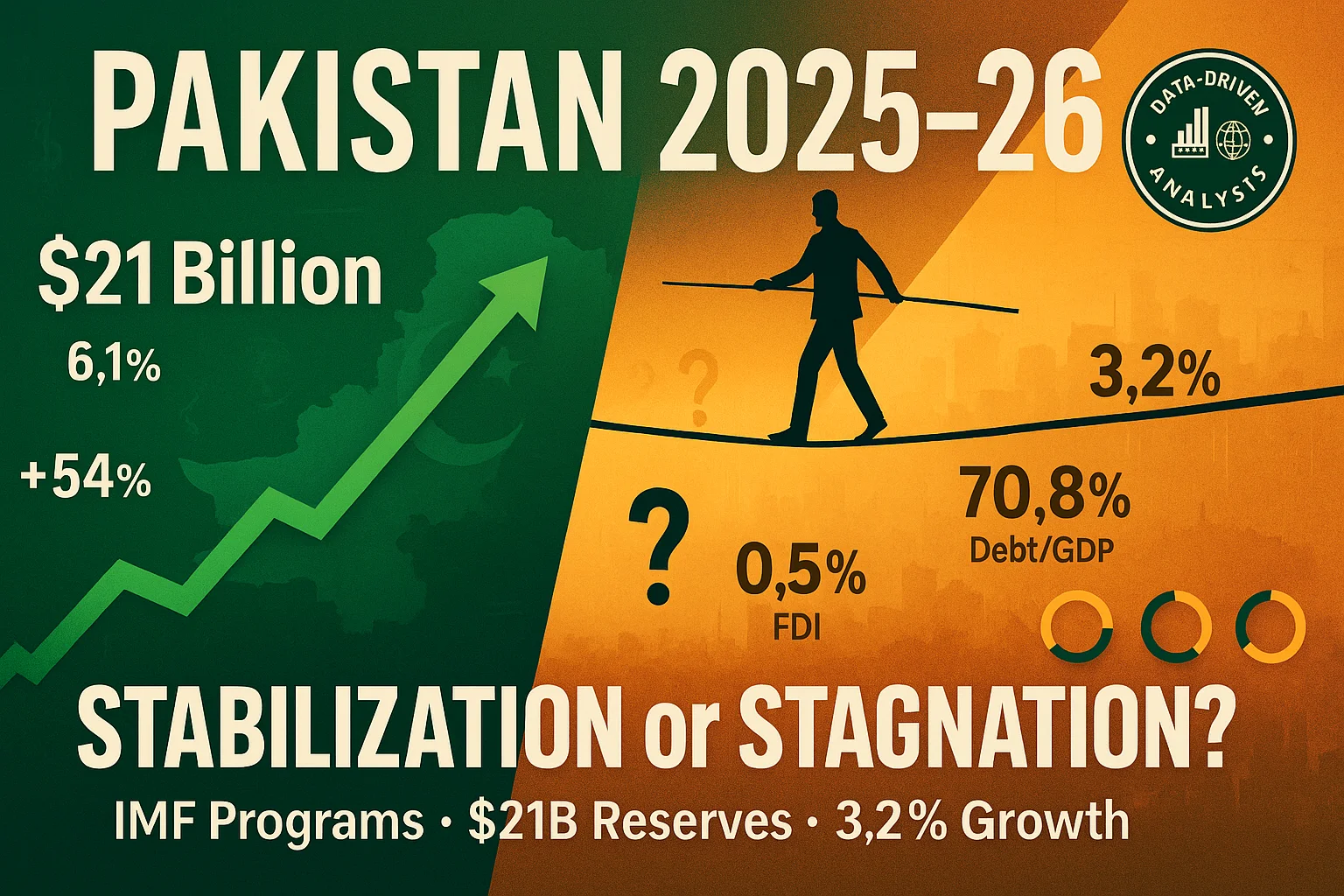
Pakistan’s Economic Outlook 2025: Between Stabilization and the Shadow of Stagnation
China’s Property Woes Could Last Until 2030—Despite Beijing’s Best Censorship Efforts

Best Investments in Pakistan 2026: Top 10 Low-Price Shares and Long-Term Picks for the PSX

How to Become an Active Taxpayer on Pakistan’s FBR Active Taxpayer List (ATL) in 2026: A Step-by-Step Guide
The Contours of 21st-Century Geopolitics Will Become Clearer in 2026: A New World Is Starting to Emerge

🌍 Davos 2026: The World Economic Forum Annual Meeting Sets the Stage for Global Transformation
The Institutional Era: A Comprehensive Cryptocurrency Investment Analysis for 2026

The New Executive Gold Standard: Top 10 Companies Lavishing Unprecedented Perks on CEOs and CFOs in 2025–2026
DBS Hits S$1 Billion AI Value Milestone — But Agentic AI Poses Talent Challenges for Singapore Banks

After Four Decades of Decline, Can Private Ownership Save Pakistan’s National Airline?
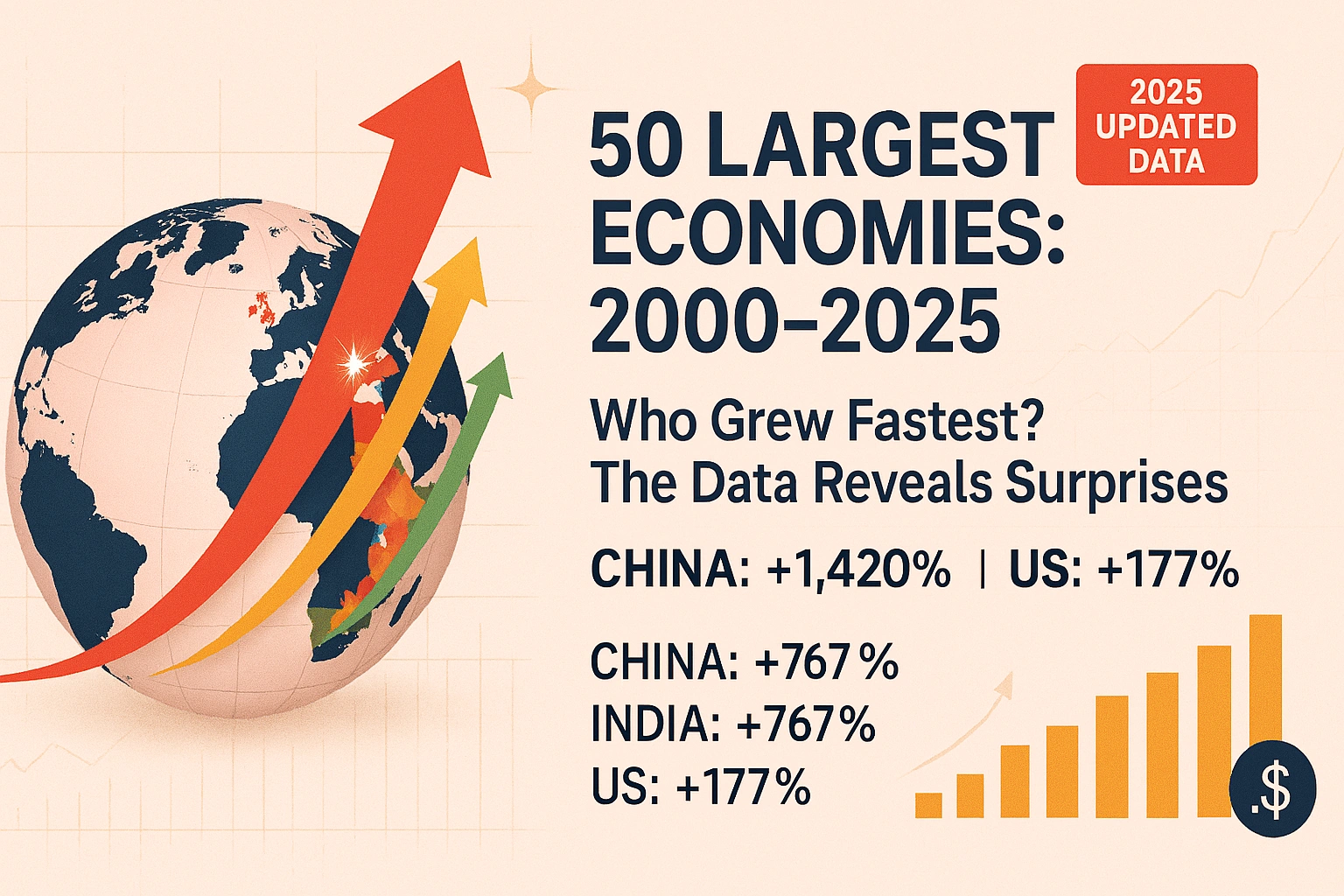
The World’s 50 Largest Economies: A 25-Year Growth Trajectory Analysis (2000-2025)

Resource Wealth and Geopolitical Vulnerability: Understanding Recent US Foreign Policy Toward Venezuela, Greenland, and Iran
-
Markets & Finance8 months ago
Top 15 Stocks for Investment in 2026 in PSX: Your Complete Guide to Pakistan’s Best Investment Opportunities
-
Analysis7 months ago
Debunking IMF Program Myths: Reconfiguring Engagement for True National Ownership in a Volatile World
-
Investment8 months ago
Top 10 Mutual Fund Managers in Pakistan for Investment in 2026: A Comprehensive Guide for Optimal Returns
-
Global Economy8 months ago
What the U.S. Attack on Venezuela Could Mean for Oil and Canadian Crude Exports: The Economic Impact
-
Asia8 months ago
China’s 50% Domestic Equipment Rule: The Semiconductor Mandate Reshaping Global Tech
-
AI8 months ago
15 Most Lucrative Sectors for Investment in Pakistan: A 2025 Data-Driven Analysis
-
Exports8 months ago
Pakistan’s Export Goldmine: 10 Game-Changing Markets Where Pakistani Businesses Are Winning Big in 2025
-
Global Economy9 months ago
Pakistan’s Stock Market Renaissance: How 2025’s Hottest Investment Opportunity Is Democratizing Wealth—A Complete Beginner’s Guide