
Insurance
Top 10 Insurance Companies of Pakistan with Massive Growth and High Returns: A Political Economy Analysis


Discover the top 10 insurance companies in Pakistan for 2025-2026. Expert political economy analysis on growth, ROI, and SECP-backed data for smart investing.
In my 15 years of analyzing Pakistan’s financial sector, I have witnessed several “false dawns.” However, what we are seeing in the 2024-2025 fiscal cycle is different. Despite the macroeconomic headwinds, Pakistan’s insurance sector has shown a remarkable resilience, with total premiums crossing the Rs. 500 billion mark for the first time in history.
But here is the catch: while the sector is expanding, not all players are created equal. The intersection of political stability (or the lack thereof), regulatory tightening by the Securities and Exchange Commission of Pakistan (SECP), and the rapid shift toward Takaful (Islamic Insurance) has created a landscape where only the most agile companies are delivering “massive returns.”
If you are looking to secure your family’s future or seeking a high-growth investment vehicle, understanding the political economy of these companies is no longer optional—it is essential.
Quick Answer: Top 5 Insurance Companies in Pakistan by Growth (2024-2025)
- State Life Insurance – 22% premium growth, Sovereign-backed returns.
- EFU Life Assurance – 18% growth, Pioneer in private-sector innovation.
- Jubilee Life – 15% growth, Dominant in Bancassurance.
- Adamjee Insurance – 14% growth, Leader in General & Auto segments.
- TPL Insurance – 25% growth (Digital segment), The InsureTech disruptor.Data derived from SECP Annual Reports and PSX Financial Statements.
1. Market Overview & Political Economy Analysis
The Pakistani insurance market is a paradox. With an insurance penetration rate still hovering below 1% of GDP, the growth ceiling is virtually non-existent. However, the “Political Economy” of this sector is influenced by three major pillars:
The Regulatory Push (SECP Reforms)
In late 2024, the SECP introduced the Insurance Ordinance (Amendment) Bill, which raised the minimum capital requirements. This move was designed to weed out “zombie companies” and encourage mergers. For the consumer, this means the Top 10 listed below are now more solvent and “too big to fail” than ever before.
The Shariah-Shift
As of 2025, Takaful windows now account for nearly 30% of new business for traditional players. The political push for an interest-free economy (aligned with Federal Shariat Court rulings) has turned Takaful from a niche product into a primary growth engine.
Economic Stabilization
Following the IMF’s Extended Fund Facility, the stabilization of the Rupee has allowed insurance companies with heavy international re-insurance treaties to manage their “Claim Settlement Ratios” more effectively without eroding their capital base.
2. Methodology: How We Ranked the Giants
To provide a truly “Premium Analysis,” I haven’t just looked at who is the biggest. I’ve looked at who is the smartest. Our ranking utilizes a weighted index of:
- Premium Growth Rate (30%): Year-over-year increase in new business.
- Investment Returns (25%): How effectively they play the Pakistan Stock Exchange (PSX) and Government Bonds (PIBs).
- Claim Settlement Ratio (25%): The “Trust Factor”—how much of the claimed amount they actually pay out.
- Solvency Margin (20%): Their ability to meet long-term obligations.
3. Top 10 Insurance Companies: Deep-Dive Analysis
1. State Life Insurance Corporation (SLIC)
The Sovereign Giant
State Life remains the undisputed king, holding over 50% of the life insurance market share.
- Growth Metric: 22% Premium Growth in 2024.
- Claim Settlement: ~90% (Highest in volume).
- Political Economy Factor: As a state-owned entity, it carries a Sovereign Guarantee. In times of political volatility, capital flees to State Life as a “Safe Haven.”
- Expert Opinion: “If you are risk-averse, State Life’s massive real estate portfolio across Pakistan provides a buffer that no private entity can match.”
2. EFU Life Assurance
The Private Sector Trailblazer
EFU is the first name that comes to mind for private-sector innovation.
- Growth Metric: 18% YoY Growth.
- ROI: Consistent 12-15% on unit-linked funds.
- Political Economy Factor: EFU has successfully lobbied for digital signature integrations, making them the leader in paperless insurance.
- USP: Their “Hemayah” Takaful brand is currently the fastest-growing Shariah-compliant product in the country.
3. Jubilee Life Insurance
The Bancassurance Powerhouse
Through partnerships with banks like HBL, Jubilee has mastered the art of selling insurance at the bank counter.
- Growth Metric: 15% Premium Growth.
- Key Strength: Diverse investment fund options (Aggressive vs. Conservative).
- Political Economy Factor: Their parent company, the Aga Khan Fund for Economic Development (AKFED), provides a global layer of trust and “Institutional Stability.”
4. Adamjee Insurance
The General Insurance Specialist
Part of the Nishat Group (Mansha family), Adamjee is the go-to for corporate and auto insurance.
- Growth Metric: 14% growth.
- Unique Factor: Exceptional performance in the UAE market, providing a crucial “Dollar Hedge” for the company.
- Expert Opinion: “With the 2025 revival of the auto industry, Adamjee is positioned to see a massive spike in motor insurance premiums.”
5. IGI Life & General Insurance
The Packages Group Edge
IGI, backed by the Packages Group, represents the “Gold Standard” of corporate governance in Pakistan.
- Claim Settlement Ratio: 94% (Industry Leading).
- Investment Return: High alpha returns through strategic PSX investments.
- Political Economy Factor: Their deep ties with the manufacturing sector ensure a steady stream of “Group Life” and “Health Insurance” contracts.
6. TPL Insurance
The Digital Disruptor
If you want to see where the industry is going in 2026, look at TPL.
- Growth Metric: 25% growth in digital retail.
- USP: First to launch “Pay-as-you-drive” and mobile-app-based claim filing.
- Political Economy Factor: Beneficiary of the SBP’s Digital Banking Licenses, integrating insurance directly into fintech ecosystems.
7. Alfalah Insurance
The Abu Dhabi Group Backing
Owned by the Abu Dhabi Group, this company benefits from Middle Eastern capital stability.
- Key Strength: Excellent reinsurance treaties with global giants like Swiss Re.
- Political Economy Factor: Their ability to offer “Foreign Currency” denominated policies for specific corporate clients makes them unique.
8. Askari Insurance
The Stability Play
Backed by the Army Welfare Trust (AWT), Askari Insurance offers a level of institutional continuity that is rare in Pakistan.
- Growth Metric: 12% steady growth.
- Key Segment: Dominant in “Health and Accident” insurance for large-scale institutional employees.
9. Atlas Insurance
The Corporate Favorite
Part of the Atlas Group (Honda), they focus on high-quality, low-risk corporate portfolios.
- ROI: Consistently pays out high dividends to shareholders.
- Expert Opinion: “Atlas is the ‘Value Stock’ of the insurance world. Not the flashy growth of TPL, but the reliability of a Swiss watch.”
10. Pak-Qatar Takaful
The Pure-Play Shariah Leader
The only company on this list that started as a dedicated Takaful entity.
- Growth Metric: 20% growth in the SME sector.
- Political Economy Factor: As the government pushes for “Riba-Free” banking, Pak-Qatar is the natural beneficiary of religious-driven consumer shifts.
4. Comparative Analysis Table (2025 Projections)
| Company | Premium Growth | Avg. ROI (Funds) | Claim Ratio | Key Strength |
| State Life | 22% | 14% (Govt Bonds) | 90% | Sovereign Guarantee |
| EFU Life | 18% | 15% | 88% | Innovation/Digital |
| Jubilee Life | 15% | 13% | 85% | Bancassurance |
| Adamjee | 14% | 11% | 92% | Auto/General |
| TPL Insurance | 25% | N/A (Retail) | 82% | InsureTech/App |
| IGI Insurance | 12% | 16% | 94% | Claim Reliability |
5. Investment Opportunities & Risks in 2026
The political economy of Pakistan is never without its “Black Swans.” While the insurance sector is bullish, investors must consider:
- Inflationary Pressure: High inflation can lead to “Under-insurance.” If a car worth 2 million is insured, but its replacement cost jumps to 4 million, the company faces a liquidity challenge.
- Interest Rate Volatility: Insurance companies are the biggest buyers of Pakistan Investment Bonds (PIBs). A sudden drop in interest rates could lower their investment income.
- Political Instability: Any disruption in the “Special Investment Facilitation Council (SIFC)” framework could dampen the foreign direct investment (FDI) that drives large-scale industrial insurance.
6. Expert Recommendations: Which One is for You?
- For the “Safety First” Investor: Stick with State Life. You cannot beat a government guarantee in a volatile economy.
- For the Tech-Savvy Millennial: Go with TPL Insurance. Their app-based claims and transparent pricing are unmatched.
- For Shariah-Compliant Growth: Pak-Qatar Takaful or EFU Hemayah are your best bets.
- For High Returns: Look at IGI or EFU Life’s Aggressive Growth Funds, which have historically outperformed the KSE-100 index.
Conclusion: The Future is Underwritten
The “Top 10 Insurance Companies of Pakistan” are no longer just passive collectors of premiums. They have become sophisticated financial engines that drive the PSX and provide a social safety net where the state cannot.
As we move further into 2026, the consolidation of the market under SECP’s watchful eye will likely lead to even higher returns for the survivors. My final advice? Do not just buy a policy; buy into a company whose political and economic alignment matches your long-term goals.
What do you think? Is the sovereign guarantee of State Life enough to keep you away from the digital innovation of EFU or TPL?








A 40-year-old buying $500,000 in term life coverage pays roughly $26 a month — the same coverage as a whole life policy can cost over $200 a month for the identical death benefit, a gap most first-time shoppers never see clearly explained before they buy.
Life insurance comparison shopping isn’t just about finding the cheapest insurer — it’s about understanding which fundamentally different type of policy actually fits your financial situation, since term and permanent life insurance solve very different problems at dramatically different price points. Getting this choice wrong is one of the most expensive and hardest-to-reverse mistakes in personal finance.
This guide breaks down how term and whole life insurance actually compare, current 2026 rate benchmarks by age and policy type, and how to choose between them.
How Term and Whole Life Insurance Actually Compare
The fundamental distinction is duration and structure: term life covers you for a fixed period with no cash value, while whole life covers you permanently and builds a cash value component — and that structural difference explains nearly the entire price gap between them.
Key takeaway: A 40-year-old man in good health who doesn’t smoke may pay less than $20 per month for a 20-year, $250,000 term life policy, but $216 per month for a whole life policy with the same coverage amount — meaning the permanent policy costs roughly 10 times more for identical death benefit coverage.
Term Life Insurance: What It Is and Isn’t
- Covers a fixed period — commonly 10, 20, or 30 years — and pays a death benefit only if you die during that term.
- Builds no cash value — the policy simply expires if you outlive the term, with no residual value.
- Significantly cheaper — because most term policies never pay out, premiums stay low relative to the coverage amount.
- Best suited to temporary needs — replacing income during child-rearing years, covering a mortgage term, or protecting a co-signed debt.
Whole Life Insurance: What It Is and Isn’t
- Covers your entire lifetime, as long as premiums are paid, with a guaranteed death benefit.
- Builds cash value over time, which grows tax-deferred and can be borrowed against or withdrawn.
- Premiums are fixed for life and, unlike term policies, never increase once the policy is issued.
- Best suited to permanent needs — estate planning, funding a lifetime dependent’s care, or as a component of a broader wealth-transfer strategy.
Step-by-Step: How to Compare Life Insurance Quotes
- Determine how long you actually need coverage — a temporary need (mortgage, income replacement until kids are grown) points toward term; a permanent need points toward whole or universal life.
- Decide on a coverage amount based on income replacement needs, outstanding debts, and dependents’ future expenses.
- Get quotes for the same coverage amount and term length across at least three insurers, since pricing varies meaningfully by carrier even for identical applicant profiles.
- Compare riders and policy features — child riders, disability waivers, and conversion options can meaningfully affect long-term value.
- Review the insurer’s financial strength rating, since a life insurance promise is only as good as the company’s ability to pay decades from now.
- Complete the underwriting process honestly — medical exams and health disclosures directly determine your final rate, and misrepresentation can void a claim later.
Financial and Strategic Implications: 2026 Rate Benchmarks by Age
Rates rise substantially with age for both policy types, making early purchase one of the most effective ways to minimize lifetime insurance costs.
| Age | Term Life (Men, Annual) | Term Life (Women, Annual) | Whole Life (Men, Annual) | Whole Life (Women, Annual) |
|---|---|---|---|---|
| 20 | $749 | $554 | $2,548 | $2,260 |
| 30 | $795 | $645 | $3,662 | $3,292 |
| 40 | $1,482 | $1,175 | $5,524 | $4,967 |
| 50 | $3,495 | $2,560 | $8,749 | $7,782 |
| 60 | $8,435 | $6,002 | $14,517 | $12,670 |
Rates based on a $500,000 policy for preferred nonsmoker applicants in good health; NerdWallet 2026 data.
Expert insight: Whole life premiums typically increase by 8% to 10% for every additional year of age at the time of application, meaning the cost of waiting even a few years to purchase permanent coverage compounds meaningfully — a strong argument for locking in a policy earlier rather than later if permanent coverage genuinely fits your needs.
Factors That Legally Cannot Affect Your Rate
Insurers cannot base your life insurance rate on ethnicity, race, or sexual orientation, and generally do not use credit score as a rating factor the way auto and home insurers do — rates are instead driven primarily by age, gender, health status, tobacco use, and the coverage amount and term length selected.
How to Choose Between Term and Whole Life Insurance
- Match the policy to the actual financial need, not to the policy that feels the most “permanent” or reassuring — a temporary income-replacement need is almost always better served by lower-cost term coverage.
- Consider term conversion options — many term policies allow conversion to permanent coverage later without new medical underwriting, offering flexibility without paying whole life premiums upfront.
- Don’t conflate life insurance with investment strategy — while whole life builds cash value, the returns are typically modest compared to dedicated investment vehicles, meaning “insurance as an investment” pitches deserve careful independent scrutiny.
- Buy coverage while young and healthy — since both term and whole life rates increase substantially with age, delaying a purchase you already know you need has a real, compounding cost.
- Compare quotes from multiple insurers for the same coverage, since rate variation between carriers for identical applicant profiles can be substantial.
- Add a term rider to a whole life policy, rather than buying an all-whole-life solution, as a way to secure higher total coverage during high-need years (young children, a large mortgage) without paying permanent-policy rates on the full amount.
Key takeaway: The most common and costly life insurance mistake isn’t choosing the wrong company — it’s buying a policy type that doesn’t match the actual duration of the financial need, paying permanent-policy premiums for what is really a temporary coverage requirement, or vice versa.
Future Outlook: Life Insurance Trends Through 2027
- Digital underwriting continues to compress application timelines. More insurers now offer accelerated underwriting using health data and prescription history instead of a traditional medical exam for qualifying applicants, meaningfully speeding up the quote-to-policy timeline for healthy applicants.
- Term insurance affordability remains historically favorable. Term rates have stayed relatively stable in recent years, keeping the cost gap between term and permanent coverage wide and reinforcing term’s role as the default choice for most temporary coverage needs.
- Hybrid life-and-long-term-care products are gaining attention. As long-term care costs continue rising, more insurers are marketing permanent life policies with long-term care riders, an area worth independent comparison against standalone long-term care insurance.
- Life insurance adoption gaps persist as an ongoing industry concern. Despite historically low term insurance costs relative to coverage amount, a significant share of households remain underinsured or uninsured, keeping consumer education a continued focus for insurers and regulators alike.
Frequently Asked Questions
What’s the main difference between term and whole life insurance? Term life covers you for a fixed period with no cash value and lower premiums; whole life covers you permanently, builds cash value, and costs substantially more for the same death benefit.
Which is cheaper, term or whole life insurance?
Term life is significantly cheaper — a 40-year-old might pay under $20 a month for term coverage versus over $200 a month for a whole life policy with the same death benefit.
Does my credit score affect my life insurance rate?
Generally no. Unlike auto or home insurance, life insurers typically do not use credit score as a rating factor; rates are driven mainly by age, gender, health, and tobacco use.
Can I convert a term life policy to whole life later?
Many term policies include a conversion option allowing you to switch to permanent coverage later without new medical underwriting, though this should be confirmed at the time of purchase since not all policies include it.
How much does life insurance typically cost per month?
Costs vary widely by age, health, and policy type, but a healthy 40-year-old might pay roughly $26 a month for a standard 20-year, $500,000 term policy, according to industry averages.

The New Risk Frontier of Digital Exports
As software, AI models, digital media, and cross-border SaaS platforms dominate global trade, traditional commercial property and casualty insurance is no longer sufficient. Digital exporters face complex liabilities ranging from cross-border data privacy breaches and algorithmic bias claims to intellectual property infringement in foreign jurisdictions. In 2026, protecting a borderless digital enterprise requires specialized insurance coverage tailored to intangible asset risks.
Failing to secure robust digital export insurance can expose founders and shareholders to catastrophic lawsuits originating from overseas regulatory bodies.
Essential Coverages for Digital Export Enterprises
Cyber Liability and Algorithmic Error Coverage
If an AI model or software product exported overseas malfunctions or suffers a data breach, foreign regulators can levy severe fines under regional privacy laws. Modern cyber policies cover both regulatory defense costs and third-party damages.
Intellectual Property and Copyright Defense
Digital creators and SaaS firms operating globally are frequent targets of frivolous IP litigation in unfamiliar legal systems. Specialized IP insurance covers the exorbitant legal fees required to defend international patents and copyrights.
| Insurance Policy Type | Primary Protection Area | Target Enterprise | Average Annual Premium |
| Global Cyber Liability | Data breaches, ransomware, AI output errors | SaaS & AI Platforms | $5,000 – $18,000 |
| E&O Professional Liability | Service failures, missed deliverables | Digital Consultancies & Agencies | $3,000 – $10,000 |
| International IP Defense | Foreign copyright & patent lawsuits | Software Developers & Creators | $7,000 – $25,000 |
Securing Comprehensive Coverage: Best Practices
Navigating the insurance market for digital exports requires partnering with specialized brokers who understand intangible asset exposures.
Audit Geographic Exposures: Clearly map where your digital users reside to ensure your policy covers those specific regulatory jurisdictions.
Verify AI Exclusion Clauses: Carefully review policy wording to ensure your generative AI or automated tools are not explicitly excluded from coverage.
Maintain Incident Response Protocols: Insurers offer lower premiums to firms that demonstrate rigorous cybersecurity and data governance standards.
“Risk Management Expert Note: Your software may be intangible, but your liability in foreign markets is entirely real. Comprehensive digital export insurance is the ultimate shield for borderless growth.”
Equipping your digital export enterprise with specialized insurance safeguards your balance sheet and ensures uninterrupted global expansion.

US Impeachment Talk and White House Press Secretary Changes: What the Record Shows

2026 Economic Outlook: Investment Tips for Pakistani Investors

Anduril’s $6.6 Billion Submarine Shipyard Plan Explained

Life Insurance Comparison: Term vs. Whole Life and What Each Actually Costs

Stock Market Today: Nasdaq Hits Record High as Dow and S&P 500 Stumble on Middle East Diplomatic Shifts

Energy Market Spikes vs. Consumer App Data: What GasBuddy and Crude Prices Signal for Inflation

China’s FTAAP Push for APEC 2026 in Shenzhen: US Tariffs and Unite Asia-Pacific

AI Stocks Slide After Industry Leaders Call for a Development Slowdown

Singapore Stocks vs. Japan Stocks: Safe Havens in the Asian Economic Slowdown

Agentic AI in Finance: How Artificial Intelligence Is Replacing Routine Tasks on Wall Street

Fiscal Deficit and Public Debt

T-Mobile’s Enterprise Push and the Evolution of Modern Corporate Mobility Solutions

Enterprise Generative AI ROI 2026: The Adoption-to-Impact Gap Explained

Climate Finance and the Economic Reality of Passing 1.5°C
Business Insurance for Digital Exports: Protecting Your Company in the AI Era

Real Estate Crash Predictions 2026: Data-Backed Regional Guide

Unrecoverable Delays: How the St. Louis Strike Crippled Boeing’s F-15EX Eagle II

What is a “Lead-Left” Bank? Unpacking Morgan Stanley’s Role in Anthropic’s Mega-IPO

How to Invest in the Anthropic IPO: Step-by-Step Guide for Retail Investors

Mario Kart 8 Deluxe 4.0.0 Patch Notes: 8-Player Split Screen & CameraPlay

Top 15 Stocks for Investment in 2026 in PSX: Your Complete Guide to Pakistan’s Best Investment Opportunities
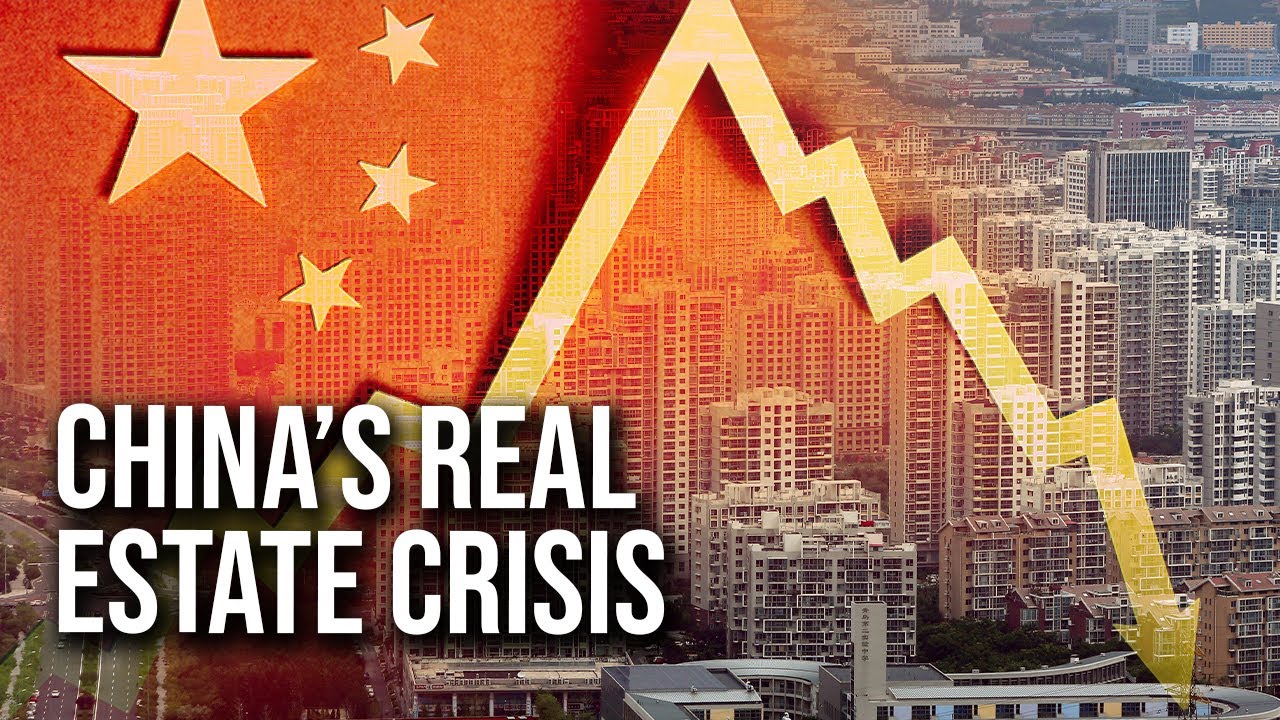
China Economy 2026: Property Crisis, AI Investment & Export Surplus Explained
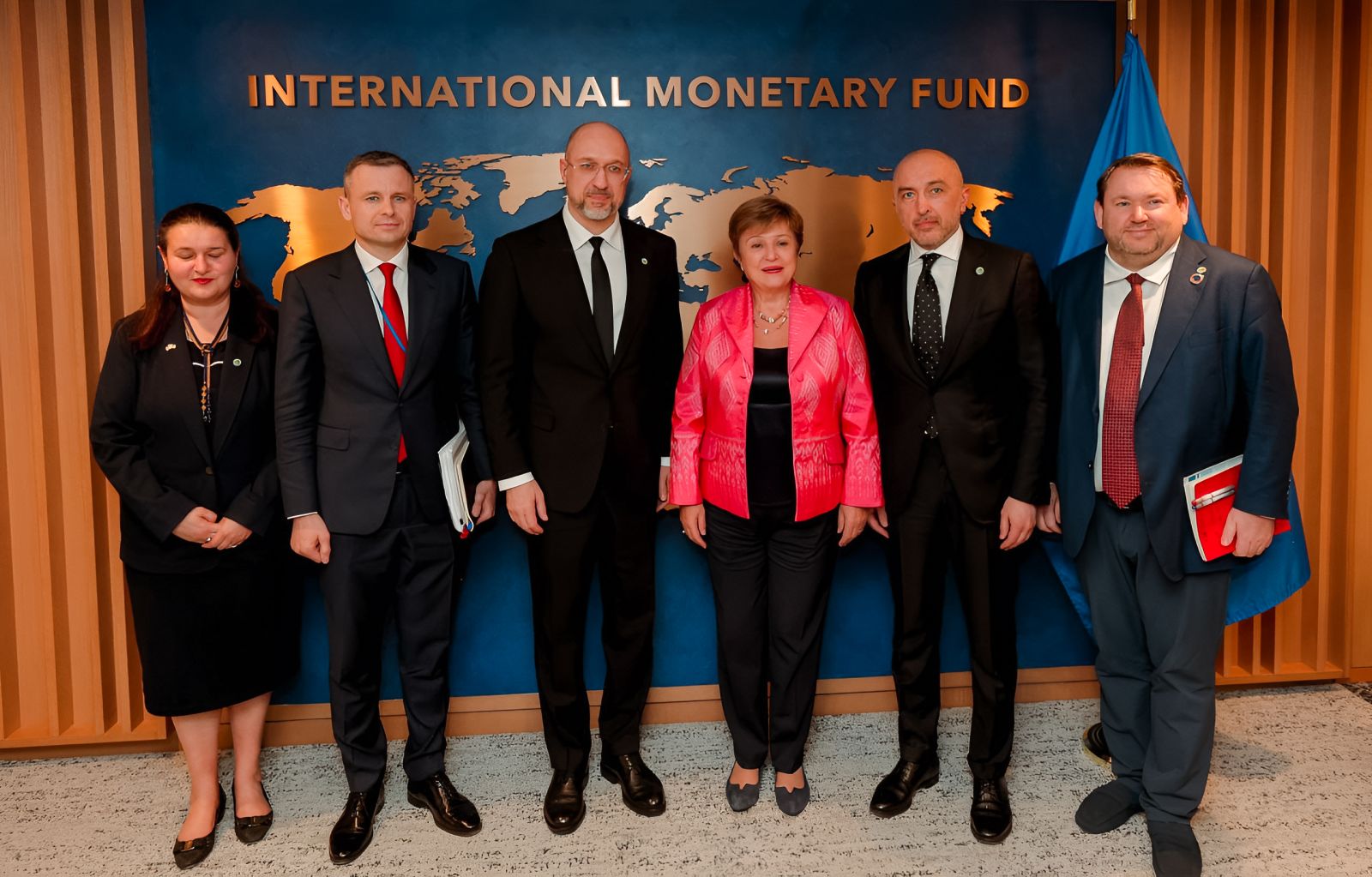
Debunking IMF Program Myths: Reconfiguring Engagement for True National Ownership in a Volatile World

Top 10 Mutual Fund Managers in Pakistan for Investment in 2026: A Comprehensive Guide for Optimal Returns
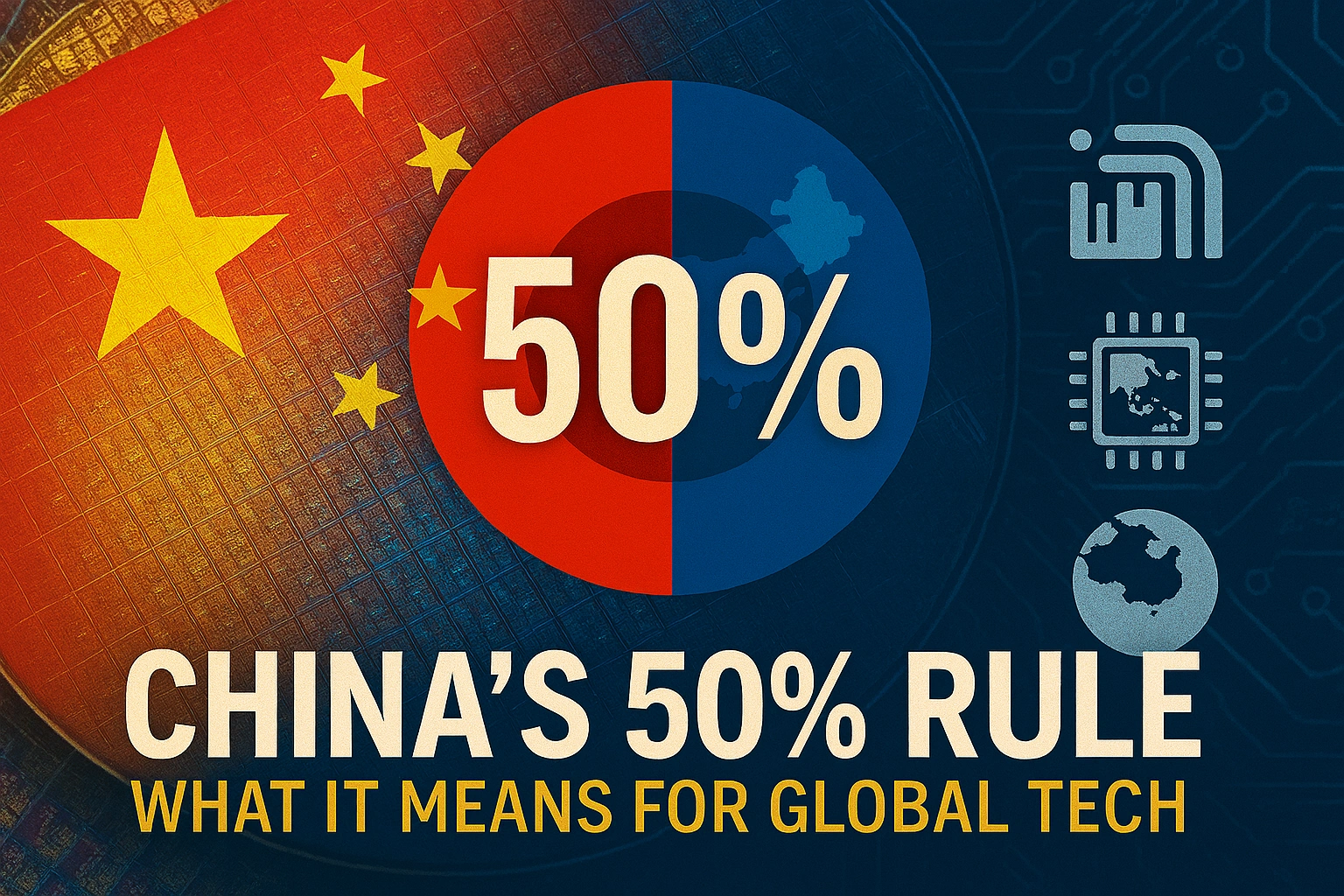
China’s 50% Domestic Equipment Rule: The Semiconductor Mandate Reshaping Global Tech

What the U.S. Attack on Venezuela Could Mean for Oil and Canadian Crude Exports: The Economic Impact
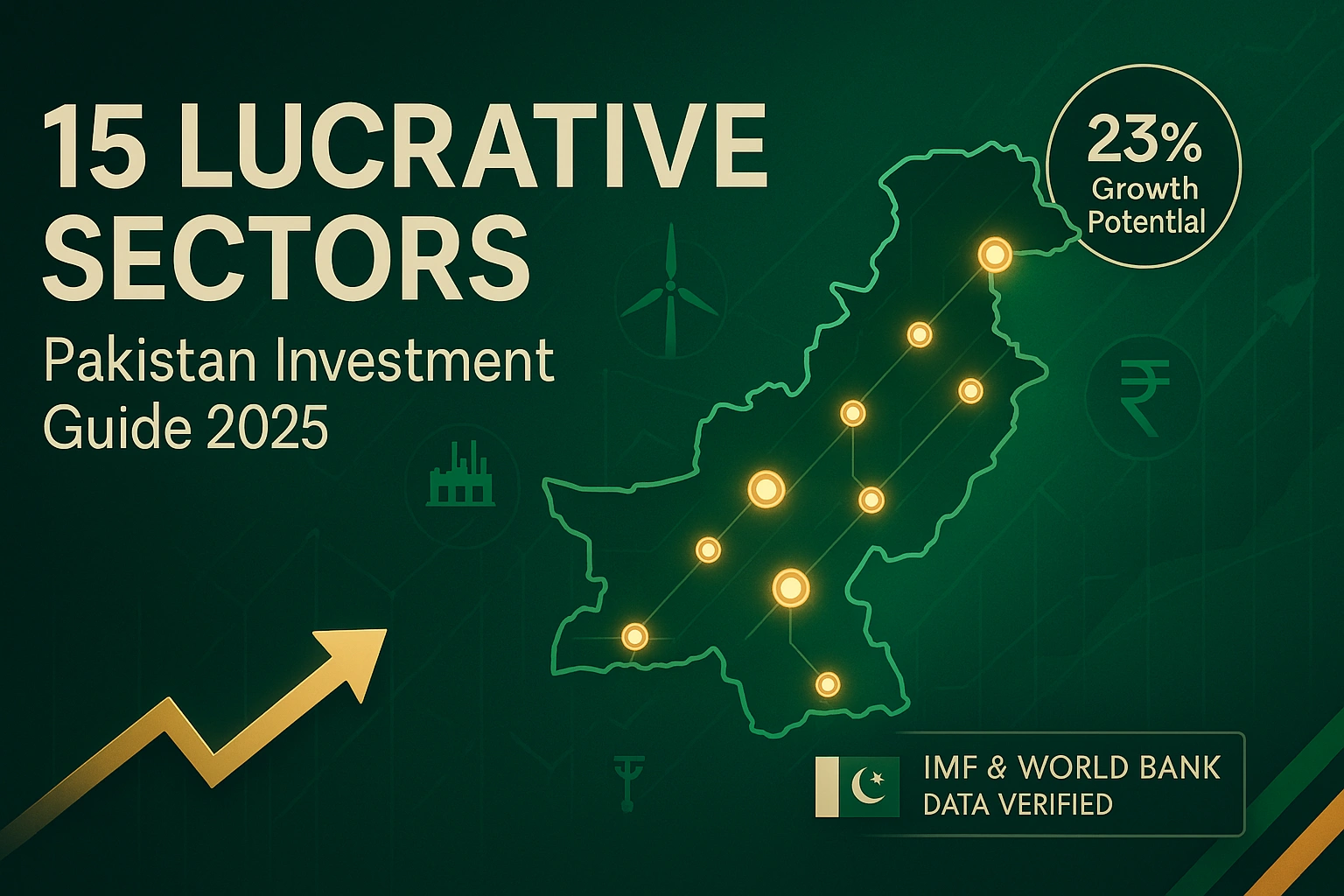
15 Most Lucrative Sectors for Investment in Pakistan: A 2025 Data-Driven Analysis
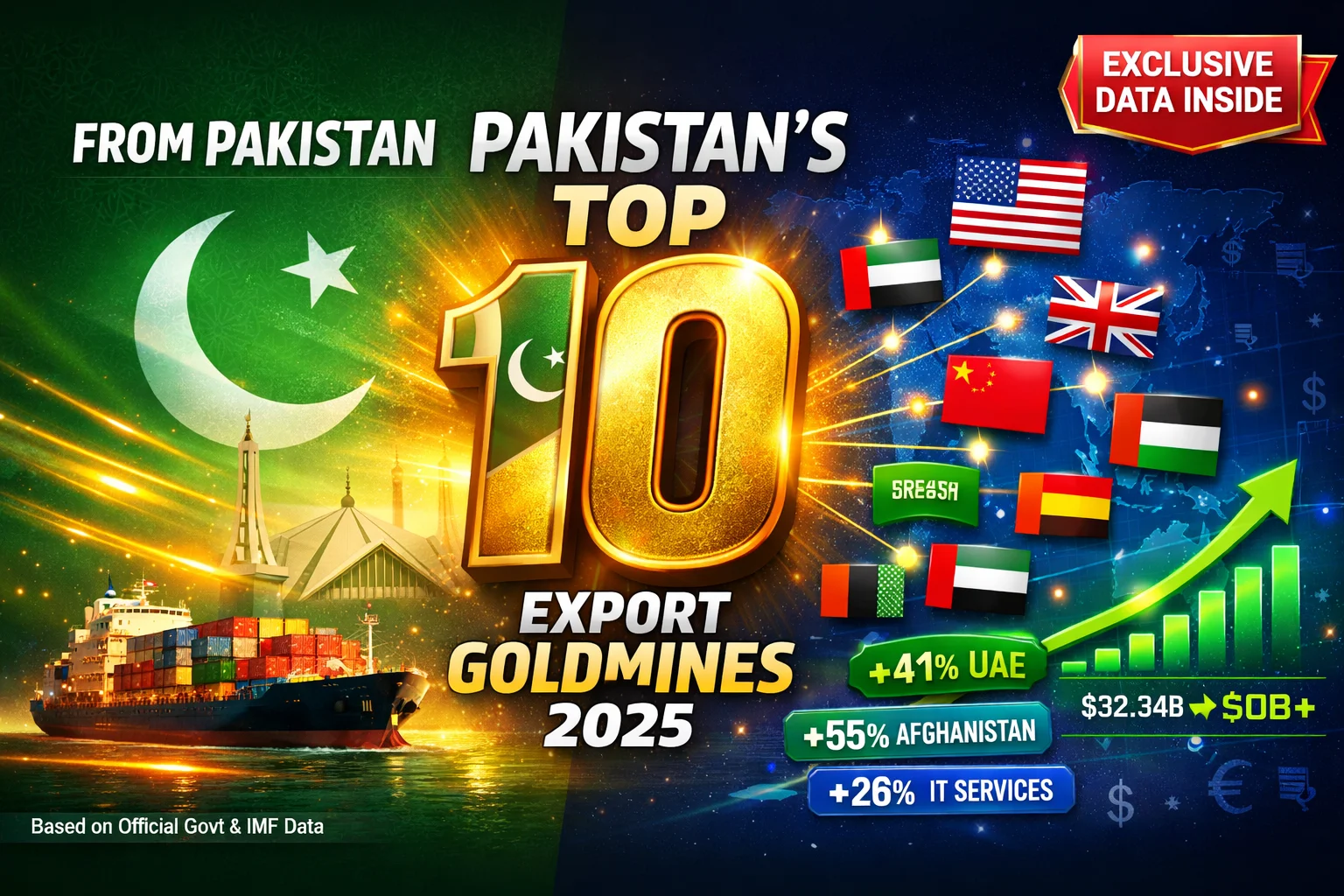
Pakistan’s Export Goldmine: 10 Game-Changing Markets Where Pakistani Businesses Are Winning Big in 2025

Pakistan’s Stock Market Renaissance: How 2025’s Hottest Investment Opportunity Is Democratizing Wealth—A Complete Beginner’s Guide
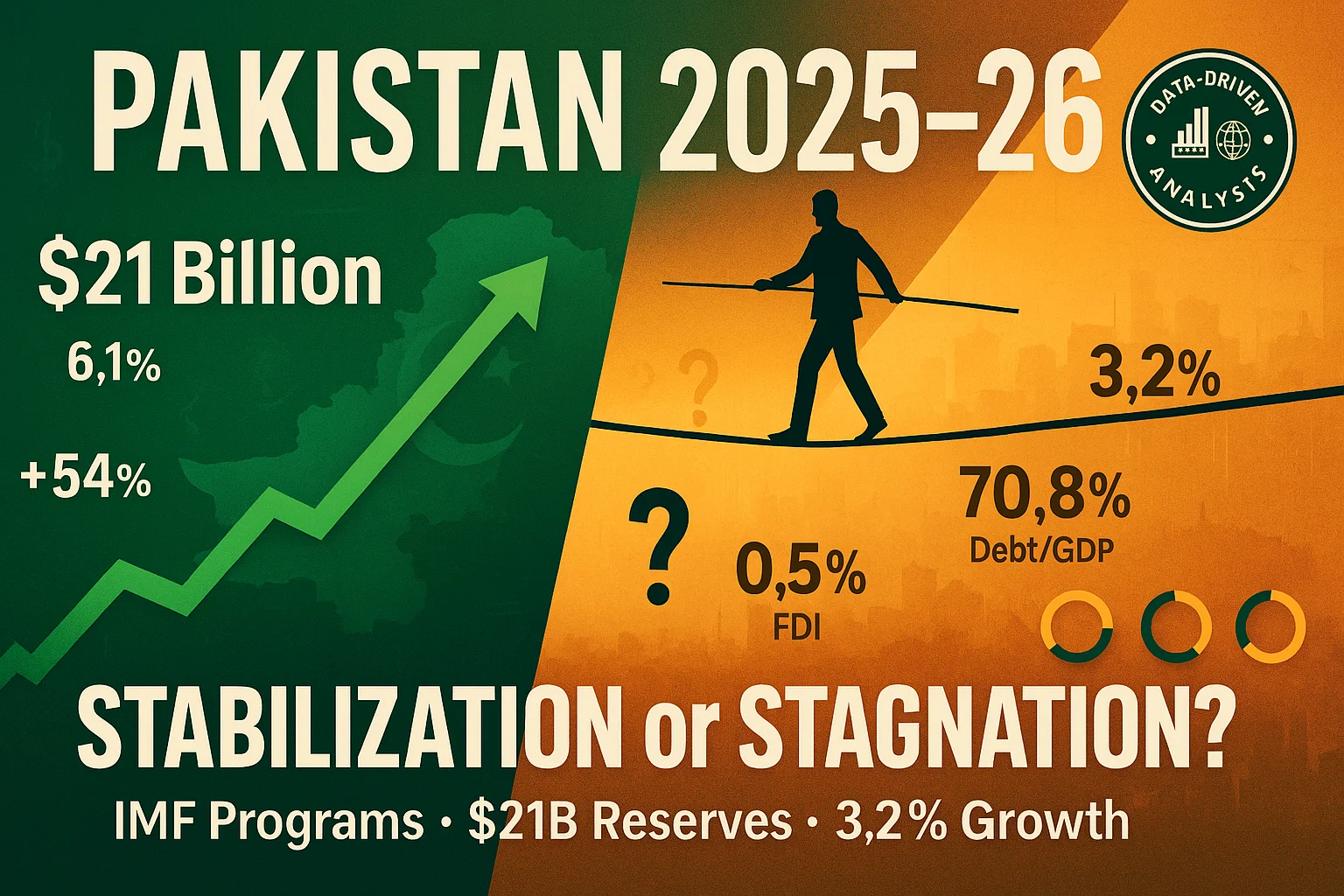
Pakistan’s Economic Outlook 2025: Between Stabilization and the Shadow of Stagnation

The Institutional Era: A Comprehensive Cryptocurrency Investment Analysis for 2026
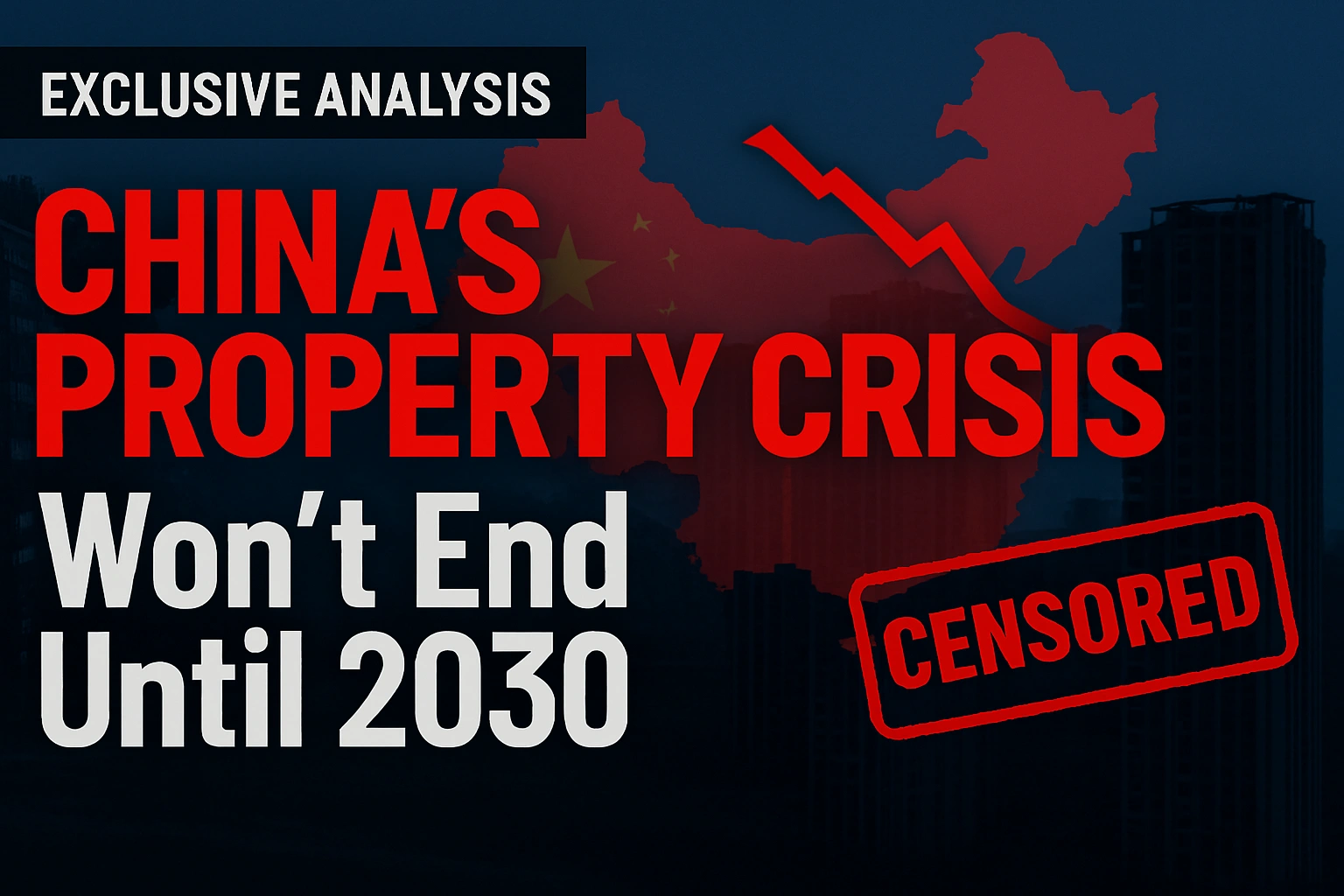
China’s Property Woes Could Last Until 2030—Despite Beijing’s Best Censorship Efforts
Real Estate Crash Predictions 2026: Data-Backed Regional Guide

Best Investments in Pakistan 2026: Top 10 Low-Price Shares and Long-Term Picks for the PSX

How to Become an Active Taxpayer on Pakistan’s FBR Active Taxpayer List (ATL) in 2026: A Step-by-Step Guide
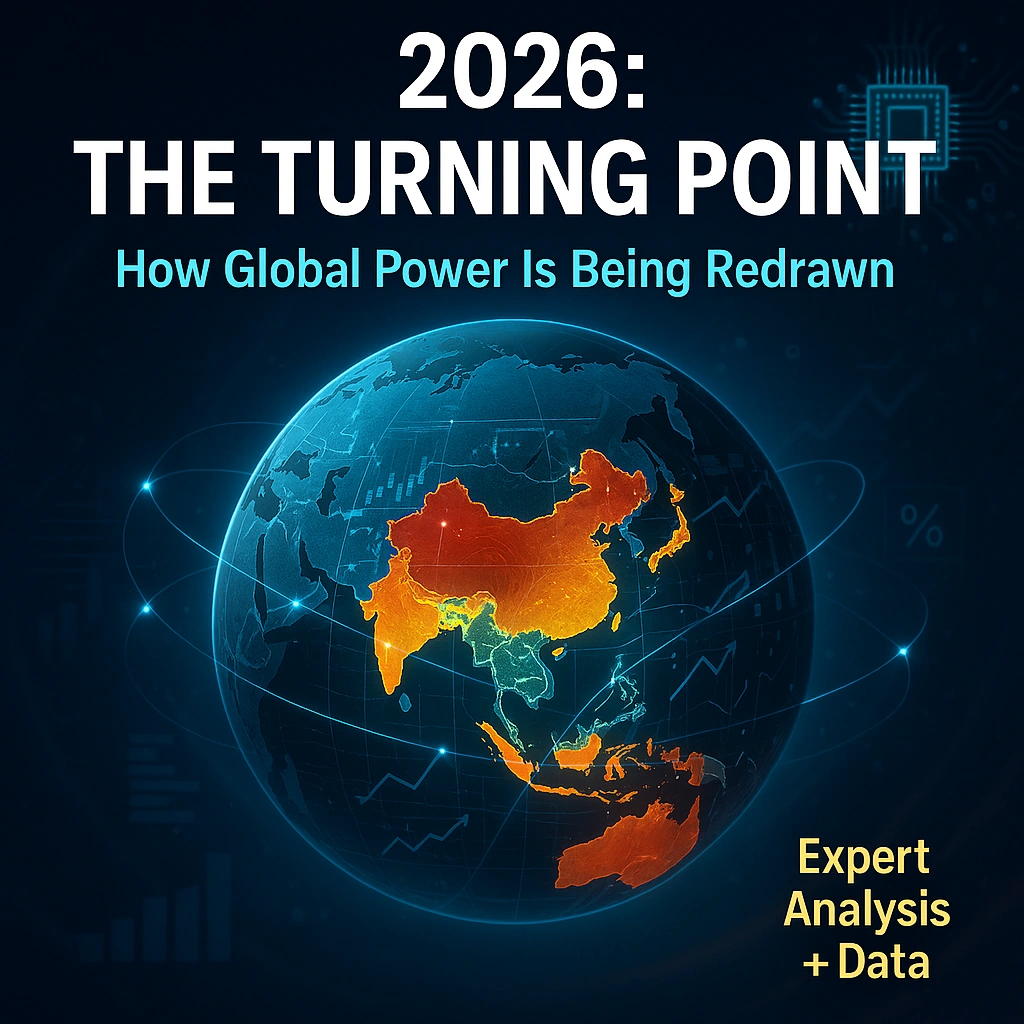
The Contours of 21st-Century Geopolitics Will Become Clearer in 2026: A New World Is Starting to Emerge
DBS Hits S$1 Billion AI Value Milestone — But Agentic AI Poses Talent Challenges for Singapore Banks
How to Invest in the Anthropic IPO: Step-by-Step Guide for Retail Investors

🌍 Davos 2026: The World Economic Forum Annual Meeting Sets the Stage for Global Transformation

AI Impact on Wages 2026: Productivity Soars, Paychecks Stagnate
-
Markets & Finance10 months ago
Top 15 Stocks for Investment in 2026 in PSX: Your Complete Guide to Pakistan’s Best Investment Opportunities
-
Analysis4 months ago
China Economy 2026: Property Crisis, AI Investment & Export Surplus Explained
-
Analysis9 months ago
Debunking IMF Program Myths: Reconfiguring Engagement for True National Ownership in a Volatile World
-
Investment10 months ago
Top 10 Mutual Fund Managers in Pakistan for Investment in 2026: A Comprehensive Guide for Optimal Returns
-
Asia10 months ago
China’s 50% Domestic Equipment Rule: The Semiconductor Mandate Reshaping Global Tech
-
Global Economy10 months ago
What the U.S. Attack on Venezuela Could Mean for Oil and Canadian Crude Exports: The Economic Impact
-
AI10 months ago
15 Most Lucrative Sectors for Investment in Pakistan: A 2025 Data-Driven Analysis
-
Exports10 months ago
Pakistan’s Export Goldmine: 10 Game-Changing Markets Where Pakistani Businesses Are Winning Big in 2025