
Business
Gold Hits Record High 2026 as Trump Davos-Greenland Crisis Deepens

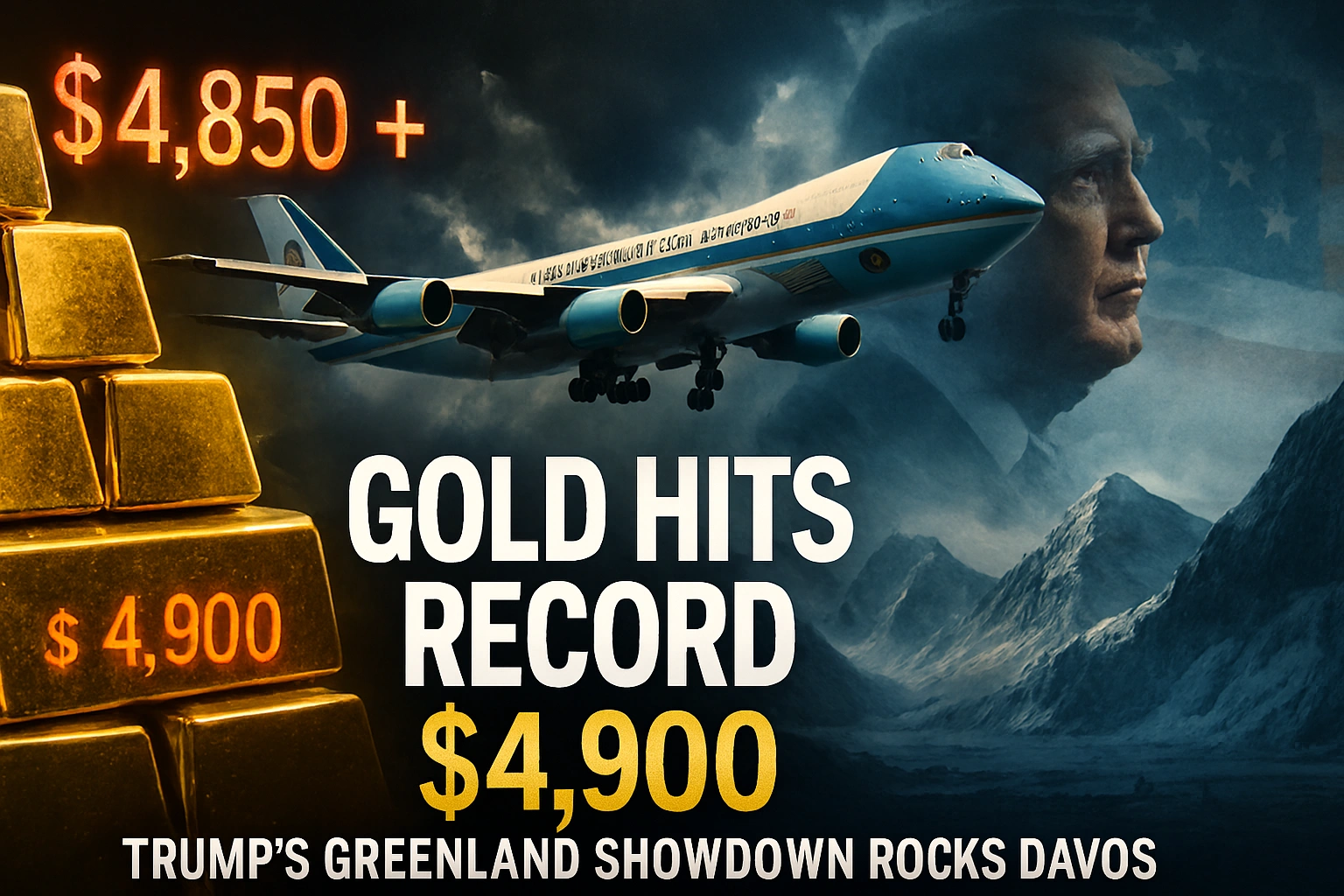
Gold prices soar past $4,800 amid Trump’s Greenland tariff threats and Davos arrival. Analysis of safe-haven demand, geopolitical risks, and market outlook.
The yellow metal has spoken, and its message reverberates from trading floors in London to the Alpine corridors of power. Gold prices shattered all previous records on January 21, 2026, surging past $4,850 per troy ounce as President Donald Trump departed for the World Economic Forum in Davos—a journey briefly interrupted when Air Force One experienced an electrical malfunction, forcing a return to base and a switch to the backup aircraft. The incident, minor in technical terms but symbolically resonant, seemed to mirror the turbulence roiling global markets as investors flee to the ultimate safe haven amid escalating tensions over Greenland.
The timing could scarcely be more charged. Trump’s renewed push to acquire Greenland—dismissed as improbable during his first term—has evolved from rhetorical flourish to concrete policy threat, complete with proposed tariffs on Denmark and the European Union should they resist American overtures. As the president’s plane finally lifted off for Switzerland, gold traders were already pricing in scenarios that would have seemed fantastical mere months ago: a transatlantic trade war triggered by Arctic territorial ambitions, a fracturing of NATO’s unity, and the potential unraveling of the post-1945 consensus on sovereignty and territorial integrity.
This is not merely another spike in precious metals pricing. The gold record high January 2026 represents a profound vote of no confidence in the stability of the international order, a hedge against the unthinkable becoming routine. As Trump prepares to address global elites in Davos—many of whom view his Greenland gambit with alarm bordering on disbelief—the question is no longer whether markets will react, but how far the contagion will spread.
The Gold Rally in Context: Safe Haven Demand Meets Dollar Doubt
To understand why gold prices hit record high January 2026, one must first grasp the convergence of forces that have transformed bullion from a defensive play into a must-own asset. According to data compiled by Bloomberg, spot gold has risen approximately 18% since the start of the year, obliterating the previous all-time high of $4,150 set in late 2025. The surge accelerates a trend that began when Trump’s transition team first floated the Greenland acquisition in December, but the current rally reflects broader anxieties.
The immediate catalyst is clear: Trump’s tariff threats over Greenland have injected extraordinary uncertainty into transatlantic trade relations. The president has suggested levies as high as 200% on select Danish and European goods should Copenhagen refuse to negotiate Greenland’s status—a position that The Financial Times describes as “without precedent in modern diplomatic history.” European Commission President Ursula von der Leyen has called the proposal “an assault on the principles that have governed relations between democracies for eight decades,” setting the stage for confrontation rather than compromise.
But the Trump Greenland tariffs represent only one dimension of gold’s safe haven appeal. The dollar, traditionally an alternative refuge during geopolitical stress, has weakened against a basket of currencies as investors question whether the United States can simultaneously pursue aggressive unilateral policies and maintain the reserve currency’s privileged status. The dollar index has declined nearly 4% since early January, a significant move that makes gold more attractive to holders of other currencies while also reflecting doubts about American policy coherence.
Historical parallels abound, though none align perfectly. The 1970s stagflation era saw gold surge from $35 per ounce to over $800 as the Bretton Woods system collapsed and geopolitical shocks—oil embargoes, Cold War tensions—eroded confidence in fiat currencies. More recently, Trump’s first-term trade war with China in 2019 drove gold above $1,500 as investors hedged against tariff escalation and growth slowdowns. Yet the current rally differs in velocity and breadth: central banks from China to Poland are reportedly accelerating gold purchases, while retail demand in Asia has surged despite record prices—a sign that even price-sensitive buyers view current risks as extraordinary.
“Gold is doing what it’s supposed to do,” noted a commodities strategist at a major investment bank in a Reuters interview, “but the speed and magnitude suggest markets are pricing in tail risks that we normally associate with wartime or financial crisis. The Greenland situation has become a focal point for broader anxieties about American reliability and the rules-based order.”
The Federal Reserve’s policy stance adds another layer of complexity. With inflation still above target but growth showing signs of deceleration, the Fed faces an impossible trilemma: maintain credibility through continued restraint, support growth through easing, or absorb the inflationary shock of potential tariffs. Gold, which pays no interest and thus competes with bonds when rates rise, has historically thrived in environments where real yields—nominal rates minus inflation—turn negative or uncertainty renders yield calculations irrelevant. Current market pricing suggests investors believe the Fed will ultimately prioritize growth over inflation control, a calculation that favors hard assets.
Greenland Becomes the Fault Line: Arctic Ambitions and Atlantic Fractures
The question of how Greenland transformed from a peripheral issue to the potential trigger for a transatlantic rupture deserves careful examination. The autonomous Danish territory, home to approximately 57,000 people and vast deposits of rare earth minerals critical for modern technology, has long attracted interest from great powers. Yet Trump’s renewed campaign—characterized by public statements describing Greenland’s acquisition as essential for national security and economic competitiveness—represents a sharp departure from diplomatic norms.
As The New York Times reported, Trump’s advisers have framed Greenland through the lens of strategic competition with China, which has sought Arctic access and rare earth dominance for over a decade. Greenland’s mineral wealth includes neodymium, praseodymium, and dysprosium—elements essential for electric vehicle motors, wind turbines, and advanced military systems. China currently controls approximately 70% of global rare earth processing, a monopoly that American policymakers view as an unacceptable vulnerability.
Beyond minerals, Greenland occupies critical geography as Arctic ice melt opens new shipping routes and resource extraction opportunities. The Northwest Passage, increasingly navigable due to climate change, could reduce shipping times between Asia and Europe by roughly 40% compared to traditional routes through the Suez or Panama canals. Military strategists note that Thule Air Base, already operated by the United States in northwestern Greenland, would become even more valuable in any scenario involving Russian or Chinese Arctic expansion.
Denmark’s position, however, remains unambiguous. Prime Minister Mette Frederiksen has stated repeatedly that “Greenland is not for sale,” a position supported unanimously by the Danish parliament. Greenland’s own government, led by Premier Múte Bourup Egede, has emphasized the territory’s right to self-determination while noting its constitution does not permit unilateral secession from the Kingdom of Denmark without Danish consent—a legal complexity that makes any transfer of sovereignty extraordinarily difficult even if Greenlanders desired it.
The escalation to tariff threats marks a dangerous inflection point. The Economist notes that using trade policy to coerce territorial concessions from an ally violates both World Trade Organization principles and the spirit of NATO, potentially setting precedents that could undermine the entire framework of Western economic and security cooperation. European officials have responded with unusual unity, warning that American tariffs would trigger immediate retaliation and could force a fundamental reassessment of the transatlantic relationship.
NATO complications add further volatility. Both the United States and Denmark are founding members of the alliance, which operates on principles of collective defense and mutual respect for sovereignty. Article 5—the collective defense clause—has been invoked only once, following the September 11 attacks, when European allies rallied to America’s defense. The prospect of the alliance’s most powerful member threatening economic warfare against a small fellow member over territorial acquisition raises existential questions about NATO’s purpose and viability.
Geopolitical analysts suggest several factors explain the timing of Trump’s push. The Ukraine war has demonstrated the strategic value of resource security and territorial control. China’s Belt and Road Initiative continues expanding into the Arctic through partnerships with Russia. And domestic American politics increasingly reward bold nationalist postures over traditional diplomatic caution. Yet the gap between Trump’s stated objectives and feasible outcomes remains vast—a disconnect that markets are pricing into safe haven assets like gold.
Davos Under Strain: Global Elites Confront American Unilateralism
The World Economic Forum’s annual gathering in Davos typically serves as a venue for consensus-building among political and business elites, a place where disagreements are aired but common ground is sought. Trump’s arrival this week, however, has transformed the event into something approaching a reckoning with American power and its limits.
According to reports from The Wall Street Journal, European leaders have coordinated their messaging in advance of Trump’s expected address, preparing to confront the Greenland issue directly while seeking to preserve broader economic ties. French President Emmanuel Macron, German Chancellor Friedrich Merz, and European Commission officials plan to emphasize that territorial sovereignty is non-negotiable regardless of economic inducements or threats—a message intended for domestic audiences as much as for Trump.
The president’s Davos speech, scheduled for the forum’s main stage, will be scrutinized for signals about how far he intends to push the Greenland confrontation. Trump’s advisers have suggested he will frame the issue in terms of “American renewal” and “correcting historic mistakes,” language that could either provide face-saving ambiguity or double down on maximalist demands. Markets appear positioned for the latter, with gold’s continued strength suggesting traders expect escalation rather than de-escalation.
Business leaders attending Davos face their own dilemmas. American companies with significant European operations—a category that includes most Fortune 500 firms—would suffer severe disruption from any transatlantic trade war. Yet corporate executives have limited leverage over Trump’s foreign policy and risk domestic political backlash if they appear to prioritize foreign relationships over American interests as the administration defines them.
The International Monetary Fund’s managing director is expected to warn during the forum that a trade conflict between the United States and Europe could shave up to 1.5% from global GDP growth, a shock comparable to the initial impact of COVID-19 lockdowns. The IMF’s analysis, as covered by the Financial Times, suggests that even if tariffs are implemented briefly before negotiation, the uncertainty costs alone would trigger capital flight, supply chain disruptions, and investment delays that could take years to reverse.
China’s absence from high-profile Davos discussions is notable, as Beijing has carefully avoided entanglement in the Greenland dispute while quietly positioning itself to benefit from transatlantic discord. Chinese officials have signaled willingness to deepen economic ties with Europe should American relationships fray, offering a strategic alternative that European leaders find simultaneously attractive and concerning given their own worries about Chinese influence.
Potential outcomes range widely. Optimistic scenarios envision Trump using tariff threats as negotiating leverage to extract concessions on other issues—Arctic cooperation agreements, rare earth supply chains, defense burden-sharing—before declaring victory and stepping back. Pessimistic scenarios involve actual tariff implementation, European retaliation, and a downward spiral that fragments Western economic integration. Markets currently price probabilities somewhere between these extremes, with gold’s rally suggesting greater weight on downside risks.
Broader Implications and Outlook: When Safe Havens Become the Trade
The gold record high 2026 extends far beyond precious metals markets, sending ripples through currencies, sovereign debt, equities, and commodities. The dollar’s decline, already mentioned, accelerates as foreign central banks reportedly diversify reserves away from U.S. Treasury securities—not yet at panic levels, but sufficient to pressure yields higher and complicate Federal Reserve policy. The euro has strengthened despite Europe’s own economic challenges, reflecting a relative assessment that European institutions, whatever their flaws, present less immediate risk than American policy volatility.
Equity markets have responded with characteristic schizophrenia: technology stocks decline on fears that rare earth supply disruptions could raise input costs, while defense contractors rally on expectations of increased military spending. European indices underperform American counterparts as investors price in recession risk from potential tariffs, yet both lag the relentless upward march of gold and other hard assets.
Cryptocurrency advocates have sought to position Bitcoin and other digital assets as alternative safe havens, noting Bitcoin’s own surge above $105,000 this month. Yet analysis from Bloomberg suggests crypto’s rally reflects different dynamics—liquidity flows and speculative positioning—rather than the genuine flight-to-safety driving gold demand. When markets price genuine systemic risk, the argument goes, five thousand years of precedent favor the metal over the algorithm.
Commodity markets more broadly reveal growing concern about supply chain fragmentation. Industrial metals have rallied alongside gold as traders position for a world where geopolitical barriers replace just-in-time efficiency. Oil prices remain subdued, reflecting demand concerns, but natural gas has spiked on European fears about energy security should broader conflicts emerge. Agricultural commodities show increased volatility as weather uncertainties compound with trade policy unpredictability.
The question now dominating trading desk conversations: can gold breach $5,000 per ounce, and if so, when? Technical analysts point to chart patterns suggesting momentum remains strong, with limited resistance levels until $5,200. Fundamental analysts note that if Trump’s Greenland push triggers even a moderate trade conflict, safe haven demand could easily propel prices higher. Central bank buying—particularly from China, Russia, and emerging markets seeking to reduce dollar exposure—provides a steady bid that wasn’t present during previous gold rallies.
Yet risks to the gold thesis exist. Any genuine de-escalation in Davos or afterward would likely trigger profit-taking, potentially sharp given how rapidly positions have built. If the Federal Reserve signals greater tolerance for market volatility or commits to maintaining high rates regardless of growth concerns, real yields could rise enough to make interest-bearing assets competitive again. And gold’s rally itself could prove self-limiting: at current prices, mine supply increases while jewelry demand—particularly from price-sensitive Asian consumers—softens.
Policy risks extend beyond trade. The European Union faces internal challenges as member states debate how firmly to confront American demands, with some Eastern European nations prioritizing security ties over economic principles. NATO’s credibility hangs in the balance, with unclear implications for defense spending, strategic planning, and alliance cohesion. And the precedent of using economic coercion to pursue territorial claims, should it succeed, would fundamentally alter the post-1945 international system in ways that extend far beyond the Arctic.
Conclusion: The Price of Disruption
Gold’s ascent to record highs amid Trump’s Davos arrival and the Greenland standoff crystallizes a moment of profound uncertainty about the architecture of global order. The electrical issue that briefly grounded Air Force One—a minor technical glitch resolved within hours—serves as an unintended metaphor for the larger questions now confronting markets and policymakers. When established systems encounter unexpected turbulence, do they adapt and continue, or do cascade failures follow?
The answer matters enormously. Gold prices, for all their drama, are merely symptoms of deeper anxieties about reliability, predictability, and the rules that govern interaction between nations. If the United States can threaten tariffs to coerce territorial concessions from allies, what other norms might be negotiable? If Europe cannot defend the sovereignty of its own members without risking economic catastrophe, what does collective security mean? If markets must price the previously unthinkable as merely improbable, what risk-free rate truly exists?
These are not questions with easy answers, which is precisely why gold—that most ancient of safe havens—trades at prices that would have seemed fantastical even a year ago. Davos will provide some clarity in coming days, though perhaps not the reassurance that markets crave. Until then, the yellow metal’s message remains clear: in an age of disruption, the ultimate hedge is the asset that predates the disruption itself.
The world watches Switzerland this week, waiting to learn whether American ambition and European principle can find accommodation, or whether the fractures now visible will deepen into chasms. Gold traders, characteristically, are not waiting for the answer—they’re betting that asking the question is reason enough to buy.







The New Risk Frontier of Digital Exports
As software, AI models, digital media, and cross-border SaaS platforms dominate global trade, traditional commercial property and casualty insurance is no longer sufficient. Digital exporters face complex liabilities ranging from cross-border data privacy breaches and algorithmic bias claims to intellectual property infringement in foreign jurisdictions. In 2026, protecting a borderless digital enterprise requires specialized insurance coverage tailored to intangible asset risks.
Failing to secure robust digital export insurance can expose founders and shareholders to catastrophic lawsuits originating from overseas regulatory bodies.
Essential Coverages for Digital Export Enterprises
Cyber Liability and Algorithmic Error Coverage
If an AI model or software product exported overseas malfunctions or suffers a data breach, foreign regulators can levy severe fines under regional privacy laws. Modern cyber policies cover both regulatory defense costs and third-party damages.
Intellectual Property and Copyright Defense
Digital creators and SaaS firms operating globally are frequent targets of frivolous IP litigation in unfamiliar legal systems. Specialized IP insurance covers the exorbitant legal fees required to defend international patents and copyrights.
| Insurance Policy Type | Primary Protection Area | Target Enterprise | Average Annual Premium |
| Global Cyber Liability | Data breaches, ransomware, AI output errors | SaaS & AI Platforms | $5,000 – $18,000 |
| E&O Professional Liability | Service failures, missed deliverables | Digital Consultancies & Agencies | $3,000 – $10,000 |
| International IP Defense | Foreign copyright & patent lawsuits | Software Developers & Creators | $7,000 – $25,000 |
Securing Comprehensive Coverage: Best Practices
Navigating the insurance market for digital exports requires partnering with specialized brokers who understand intangible asset exposures.
Audit Geographic Exposures: Clearly map where your digital users reside to ensure your policy covers those specific regulatory jurisdictions.
Verify AI Exclusion Clauses: Carefully review policy wording to ensure your generative AI or automated tools are not explicitly excluded from coverage.
Maintain Incident Response Protocols: Insurers offer lower premiums to firms that demonstrate rigorous cybersecurity and data governance standards.
“Risk Management Expert Note: Your software may be intangible, but your liability in foreign markets is entirely real. Comprehensive digital export insurance is the ultimate shield for borderless growth.”
Equipping your digital export enterprise with specialized insurance safeguards your balance sheet and ensures uninterrupted global expansion.
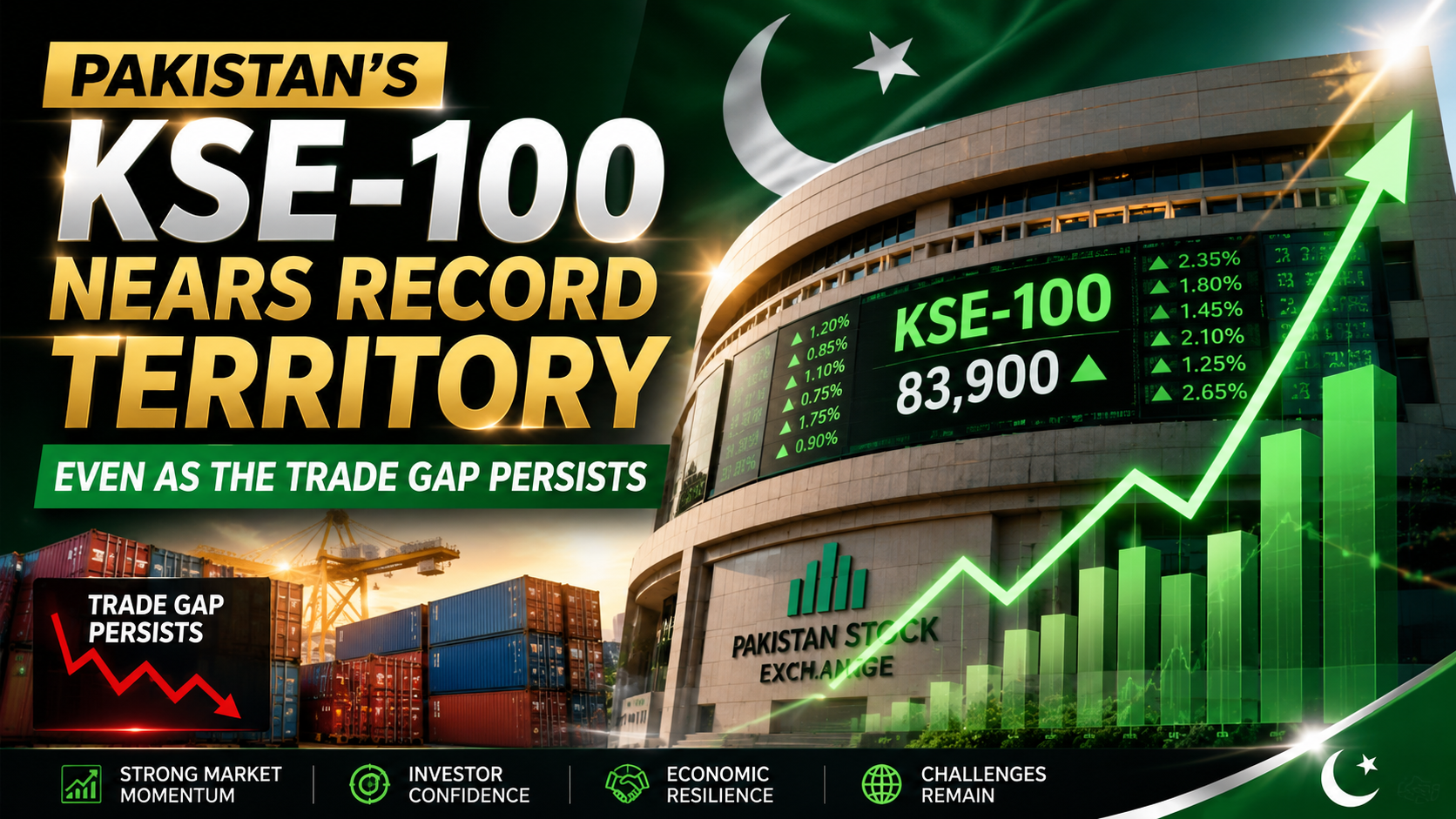
Pakistan’s KSE-100 is up nearly 19% year-on-year and within striking distance of its all-time high — even as the country’s structural trade deficit remains unresolved. Here’s the full picture.
Pakistan’s stock market is delivering one of the more remarkable emerging-market growth stories of 2026, even as the country’s underlying trade imbalance remains a live structural concern. Per Trading Economics, the KSE-100 fell to 178,213 points on August 18, 2026, losing 1.27% from the previous session — but the index remains up 18.99% compared to the same time last year and has climbed 1.30% over the past month, with the index having touched an all-time high of 189,556 points.
Key Takeaways
- The KSE-100 stood at 178,213 points on August 18, 2026, up 18.99% year-on-year, and within range of its all-time high of 189,556.
- The index has gained 10.89% over the past four weeks and 64.89% over the past twelve months by an alternate measure of the same rally.
- The rally is being driven by macro stabilisation, S&P’s credit upgrade (see Article 4), and renewed foreign portfolio inflows.
- Pakistan’s structural trade gap — imports consistently exceeding exports — remains unresolved even as equities rally.
- Historical precedent (2024’s record run) shows KSE-100 rallies have previously been fuelled by the largest foreign equity buying in a decade.
The scale of the multi-year rally is worth putting in context, because Pakistan’s equity market has been one of the standout performers globally over an extended stretch, not just a recent spike. The Trading Economics data shows the index gained 10.89% over a recent four-week window and 64.89% over the trailing twelve months, reaching successive all-time highs through late 2025 and into 2026 — from 170,249 in mid-December 2025 to 170,719 by year-end to 189,556 at its most recent peak.
This isn’t the first time Pakistan’s market has rallied on this scale, and the historical pattern is instructive. A Bloomberg report from a prior cycle describes the KSE-100 closing near a then-record high after gaining more than 30% in a single year, aided by foreign investors’ net purchases of $87 million in local shares — at the time, the highest level of foreign buying since 2014. The current rally, still building on that earlier momentum, reflects a continuation of the same foreign-inflow-driven dynamic, now reinforced by the macro stabilisation narrative detailed in Article 4: S&P’s July 22 upgrade of Pakistan’s sovereign credit rating to ‘B’ from ‘B-‘, alongside a 22-year-low fiscal deficit of 2.6% of GDP.
What the rally does not resolve, however, is Pakistan’s persistent external trade imbalance — a structural feature the equity euphoria sits somewhat uneasily alongside. Pakistan’s own national statistics, summarized on Wikipedia’s Economy of Pakistan page using official data, show exports of $40.79 billion against imports of $78.02 billion in 2025 — a nearly $37 billion gap, with petroleum imports alone totaling $15.1 billion, textiles remaining the dominant export category at $16.3 billion, and China, the UAE and the US as the country’s largest trading partners on both sides of the ledger.
Business press coverage from Business Recorder captures the tension in real time: alongside reporting on the fiscal deficit improvement and credit upgrade, the same outlet has separately reported on Pakistan’s textile mills being “caught in a contradiction they did not design” regarding their European buyers, and on the Finance Division sounding “the alarm over the persistent inflation” even as headline stabilisation indicators improve — evidence that the equity rally and the export-competitiveness challenge are running on genuinely separate tracks, both real, both simultaneously true.
Why It Matters
A market this close to record highs, riding genuine macro-improvement momentum, sends a strong signal to portfolio investors evaluating frontier and emerging markets broadly — but the persistent trade gap is the metric that ultimately determines how much of that momentum translates into durable currency stability and reduced dependence on IMF and bilateral bridge financing.
Data and Evidence
- KSE-100, August 18, 2026: 178,213 points, -1.27% daily, +18.99% YoY, +1.30% over the past month
- KSE-100 all-time high: 189,556 points
- 2025 exports: $40.79bn; 2025 imports: $78.02bn (petroleum: $15.1bn of the total)
- S&P sovereign rating: upgraded to ‘B’ from ‘B-‘ (July 22, 2026)
- FY2025-26 fiscal deficit: 2.6% of GDP, a 22-year low
Global Impact
Pakistan’s equity rally, set against a still-wide trade deficit, is a data point international frontier-market investors weigh alongside similar stabilisation-but-imbalanced stories in other IMF-program economies — a useful comparative lens for any reader tracking emerging-market risk more broadly across this batch’s coverage of Indonesia (Article 11) and other developing economies.
What Happens Next
Watch whether the KSE-100 tests its 189,556 all-time high in the coming weeks, and whether Pakistan’s upcoming trade data shows any narrowing of the export-import gap as the fiscal stabilisation narrative continues to build.
Frequently Asked Questions
Is the KSE-100 at a record high right now?
Not quite — as of August 18, 2026 it stood at 178,213, below its all-time high of 189,556, though up nearly 19% year-on-year.
What’s driving the rally?
Macro stabilisation, the S&P credit rating upgrade, a record-low fiscal deficit, and renewed foreign portfolio inflows.
Does the stock rally mean Pakistan’s economy has fully recovered?
Not entirely — the country’s structural trade deficit, with imports far exceeding exports, remains unresolved.
How big is Pakistan’s trade gap?
Roughly $37 billion in 2025, with imports of $78.02 billion against exports of $40.79 billion.
Has Pakistan’s market rallied like this before?
Yes — a similar rally in 2024 was driven by the largest foreign equity buying in a decade at that time.

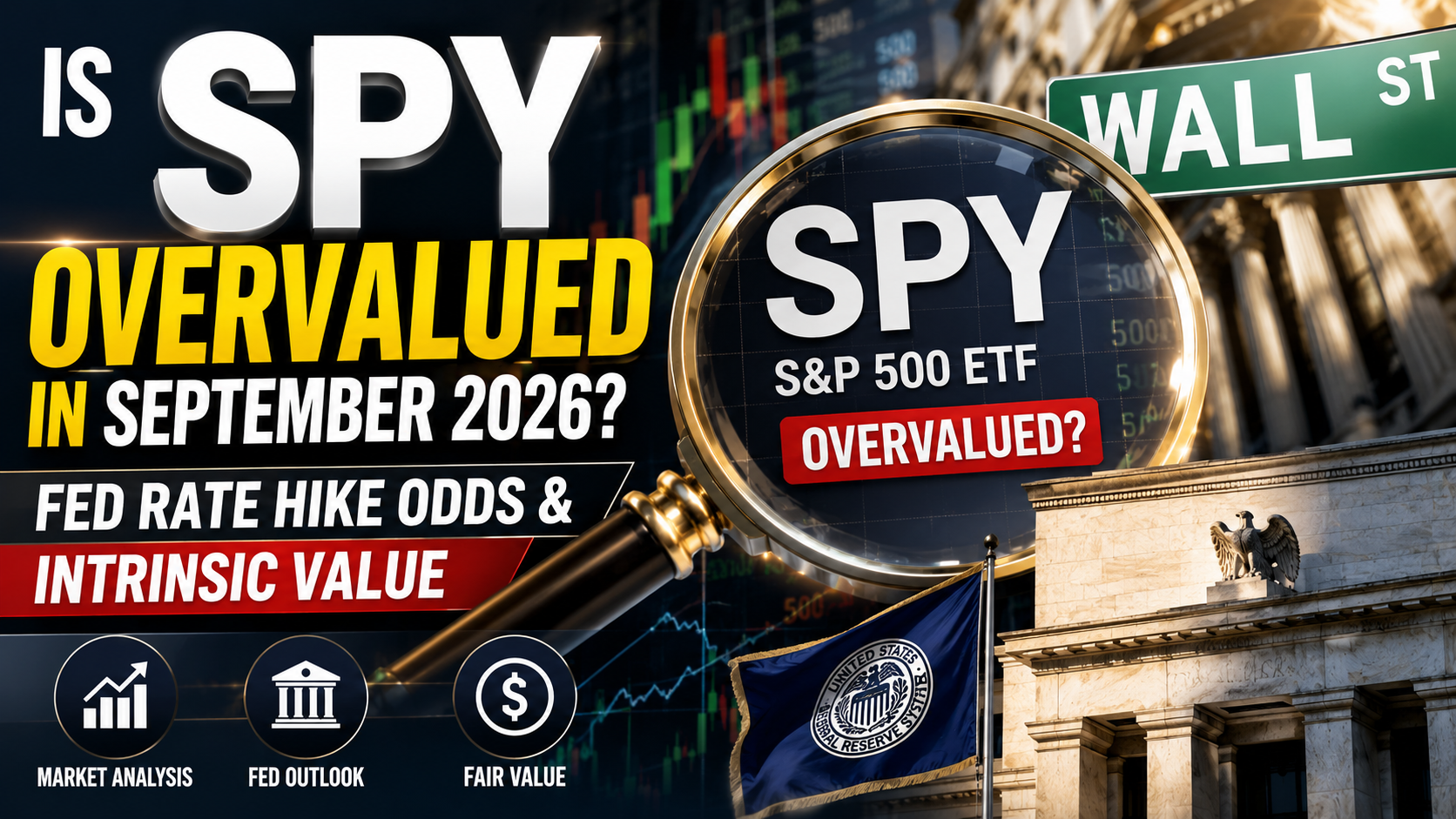
American consumers delivered a double dose of weak data last week, and markets are still recalibrating what it means for the Federal Reserve’s next move. Retail sales fell unexpectedly in July while consumer sentiment posted its first monthly decline in three months — a combination that has pushed the odds of Fed action lower even as inflation concerns keep the central bank’s path anything but settled.
The Numbers That Moved Markets
Headline retail sales fell 0.6% in July to $763.6 billion, an unexpected decline, while core retail sales — excluding volatile categories — fell 0.3%, missing expectations on both counts. Consumer sentiment told an even starker story: the University of Michigan’s index dropped to 51.0 in August, well below the 54.5 economists had forecast — a reading low enough to raise questions about the durability of consumer spending heading into the back half of the year.
The market reaction was immediate. The dollar index fell 0.27% as the weak data reduced the probability of a September Fed rate move to roughly 32%, down from 35% the day before, according to rate-futures pricing. That move was reinforced by a broader shift in risk sentiment after President Trump appeared to step back from plans for further major military action against Iran, favouring economic pressure instead — reducing safe-haven demand for the dollar on top of the weak domestic data.
A Softer Consumer, But Not a Collapsing One
The picture is nuanced rather than uniformly gloomy. One report noted that retailers using tariff refunds to cut prices may be helping bring down inflation, adding to the broader market view that price pressures could ease even as spending cools — a combination that, if it holds, would give the Fed more room to prioritise growth support over inflation vigilance.
Corporate earnings released the same week offered a partial counterweight to the soft consumer data. Applied Materials reported third-quarter results showing that higher demand tied to artificial intelligence continued to support its business, reinforcing the now-familiar pattern in 2026 US markets: AI-linked capital spending remains robust even as traditional consumer-facing indicators soften.
Equity markets took the mixed signals in stride rather than panicking. At midday on the day of the release, the Nasdaq Composite fell 0.44%, the Dow Jones Industrial Average lost 0.21%, and the S&P 500 slipped 0.19% — modest declines that suggest investors read the data as consistent with a “soft landing” narrative rather than a recession warning.
The Fed’s Balancing Act
The weak retail and sentiment data arrived on top of an already-building case for caution at the Fed. A separate Seeking Alpha report described Fed rate-hike odds for September sliding further after the unexpected drop in retail sales and the first decline in consumer sentiment in three months, part of what the outlet called a broader raft of soft economic data across the week.
That said, the picture the Fed faces is genuinely mixed rather than one-directional. The same week’s economic briefings noted that the 10-year Treasury note yield rose 5 basis points despite the weak reports, driven by lingering inflation concerns tied in part to the elevated oil prices flowing from the Middle East conflict — the same dynamic complicating central bank calculus in the UK and across much of the developed world this year.
What It Means Heading Into September
The net effect is a Federal Reserve now navigating a genuinely two-sided risk environment: a softening domestic consumer that would normally argue for lower rates, against an energy-driven inflation risk that argues for caution. With September Fed odds now hovering in the low-to-mid 30% range for further tightening — effectively pricing a Fed on hold rather than hiking — markets appear to be betting that policymakers will prioritise the growth signal over the inflation signal, at least for now.
The coming weeks of data, particularly the next round of CPI and PCE inflation readings, are likely to be decisive in confirming or overturning that bet.
Key Takeaways
- US retail sales fell 0.6% in July, missing expectations, while core retail sales dropped 0.3%.
- Consumer sentiment fell to 51.0 in August, its first decline in three months and well below the 54.5 forecast.
- September Fed rate-hike odds fell to roughly 32% from 35% following the data.
- AI-linked corporate demand, evidenced by Applied Materials’ results, remains a bright spot even as broader consumer indicators soften.
- Treasury yields rose despite the weak data, reflecting lingering inflation concerns tied to elevated oil prices.
Frequently Asked Questions
How much did US retail sales fall in July 2026? US retail sales fell 0.6% in July to $763.6 billion, an unexpected decline, with core retail sales down 0.3%.
What happened to US consumer sentiment in August 2026? The University of Michigan consumer sentiment index dropped to 51.0 in August, its first monthly decline in three months and well below the 54.5 economists had forecast.
What are the odds of a Fed rate move in September 2026? Following the weak retail sales and sentiment data, the probability of Fed action in September fell to roughly 32%, down from 35% the previous day.

2026 Economic Outlook: Investment Tips for Pakistani Investors

Anduril’s $6.6 Billion Submarine Shipyard Plan Explained

Life Insurance Comparison: Term vs. Whole Life and What Each Actually Costs

Stock Market Today: Nasdaq Hits Record High as Dow and S&P 500 Stumble on Middle East Diplomatic Shifts

Energy Market Spikes vs. Consumer App Data: What GasBuddy and Crude Prices Signal for Inflation

China’s FTAAP Push for APEC 2026 in Shenzhen: US Tariffs and Unite Asia-Pacific

AI Stocks Slide After Industry Leaders Call for a Development Slowdown

Singapore Stocks vs. Japan Stocks: Safe Havens in the Asian Economic Slowdown

Agentic AI in Finance: How Artificial Intelligence Is Replacing Routine Tasks on Wall Street

Fiscal Deficit and Public Debt

T-Mobile’s Enterprise Push and the Evolution of Modern Corporate Mobility Solutions

Enterprise Generative AI ROI 2026: The Adoption-to-Impact Gap Explained

Climate Finance and the Economic Reality of Passing 1.5°C
Business Insurance for Digital Exports: Protecting Your Company in the AI Era
Real Estate Crash Predictions 2026: Data-Backed Regional Guide

Unrecoverable Delays: How the St. Louis Strike Crippled Boeing’s F-15EX Eagle II

What is a “Lead-Left” Bank? Unpacking Morgan Stanley’s Role in Anthropic’s Mega-IPO

How to Invest in the Anthropic IPO: Step-by-Step Guide for Retail Investors

Mario Kart 8 Deluxe 4.0.0 Patch Notes: 8-Player Split Screen & CameraPlay
Is SPY Overvalued in September 2026? Fed Rate Hike Odds & Intrinsic Value

Top 15 Stocks for Investment in 2026 in PSX: Your Complete Guide to Pakistan’s Best Investment Opportunities
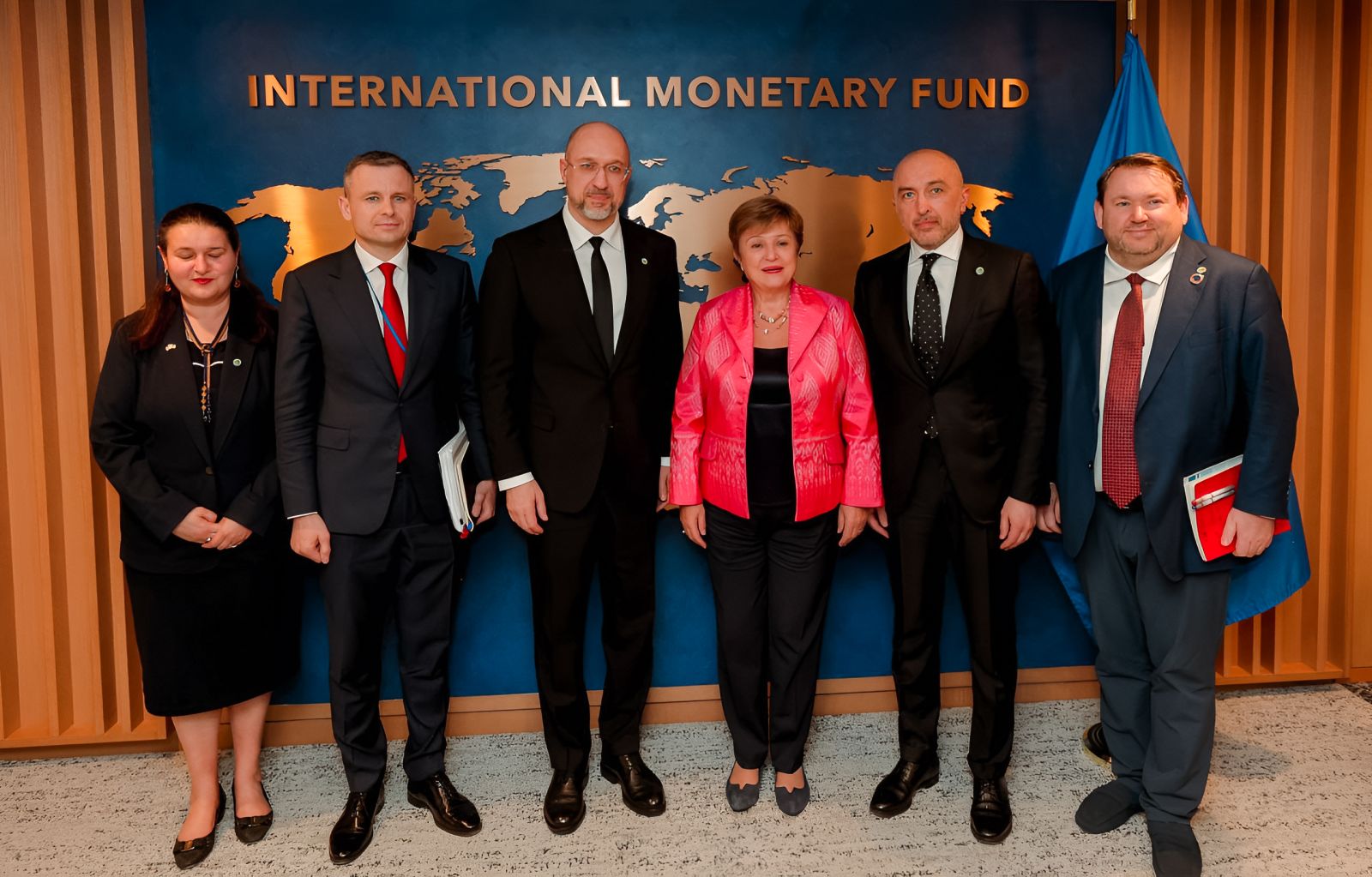
Debunking IMF Program Myths: Reconfiguring Engagement for True National Ownership in a Volatile World
China Economy 2026: Property Crisis, AI Investment & Export Surplus Explained

Top 10 Mutual Fund Managers in Pakistan for Investment in 2026: A Comprehensive Guide for Optimal Returns
China’s 50% Domestic Equipment Rule: The Semiconductor Mandate Reshaping Global Tech
What the U.S. Attack on Venezuela Could Mean for Oil and Canadian Crude Exports: The Economic Impact

15 Most Lucrative Sectors for Investment in Pakistan: A 2025 Data-Driven Analysis
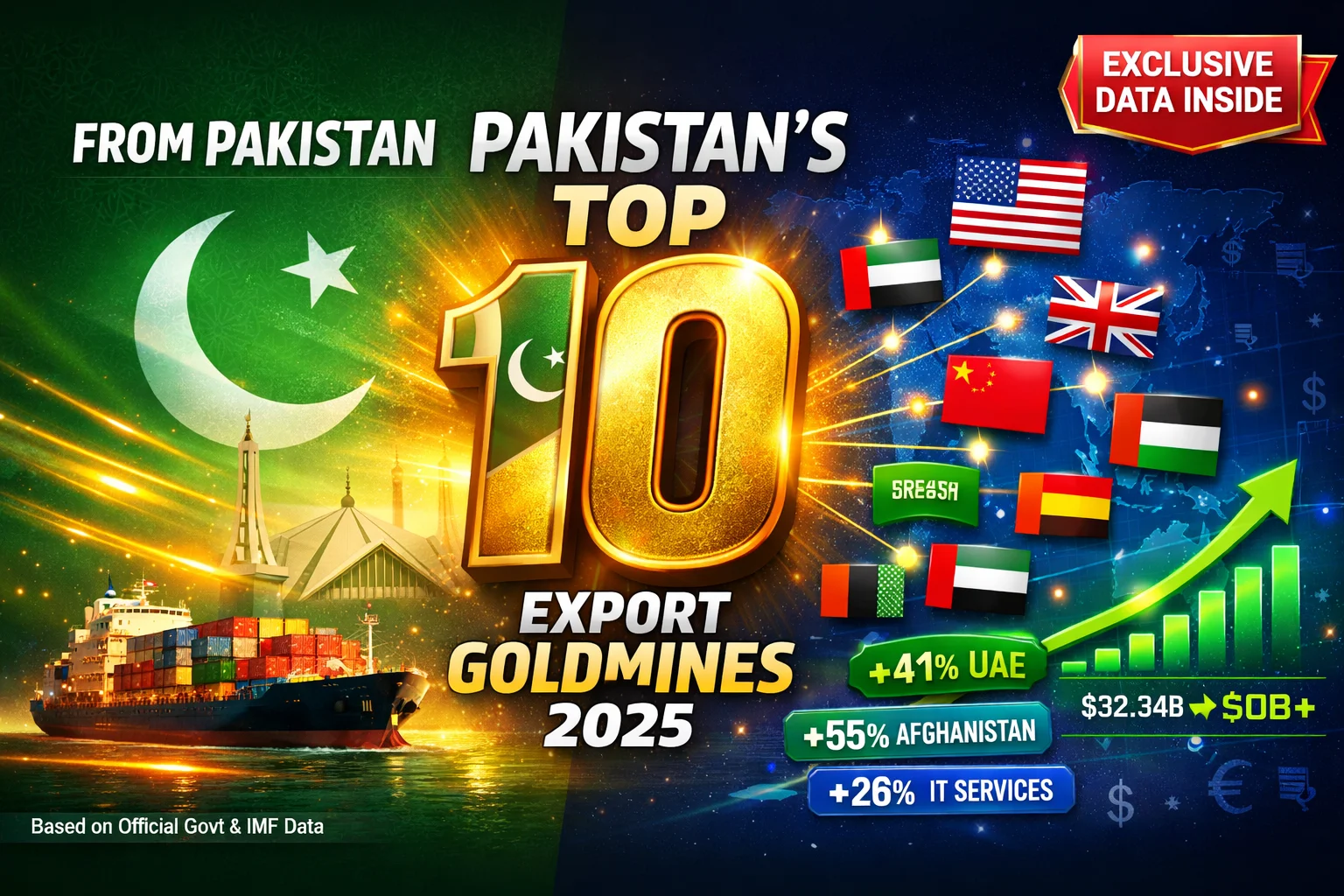
Pakistan’s Export Goldmine: 10 Game-Changing Markets Where Pakistani Businesses Are Winning Big in 2025

Pakistan’s Stock Market Renaissance: How 2025’s Hottest Investment Opportunity Is Democratizing Wealth—A Complete Beginner’s Guide
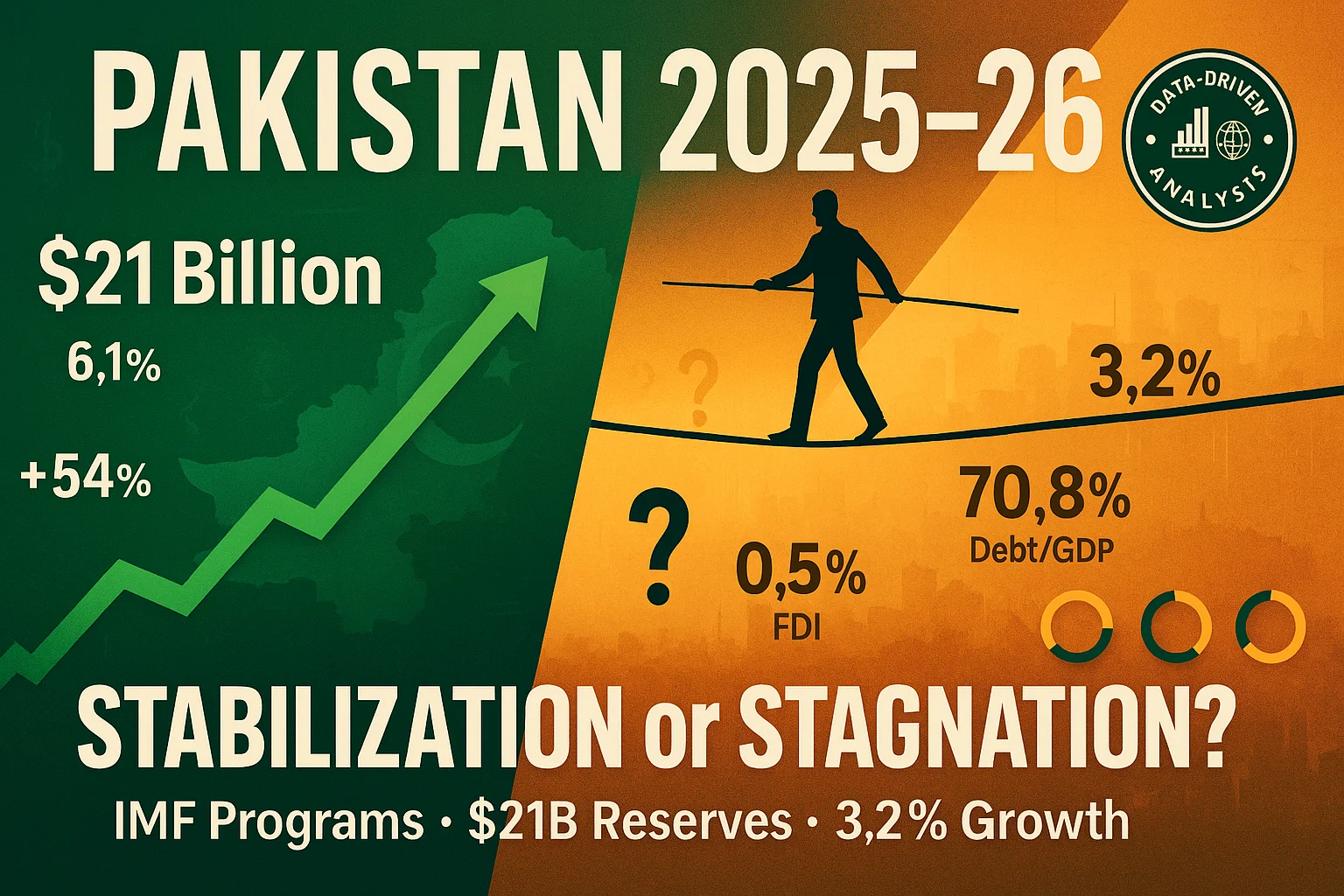
Pakistan’s Economic Outlook 2025: Between Stabilization and the Shadow of Stagnation
China’s Property Woes Could Last Until 2030—Despite Beijing’s Best Censorship Efforts
The Institutional Era: A Comprehensive Cryptocurrency Investment Analysis for 2026
Real Estate Crash Predictions 2026: Data-Backed Regional Guide

Best Investments in Pakistan 2026: Top 10 Low-Price Shares and Long-Term Picks for the PSX
DBS Hits S$1 Billion AI Value Milestone — But Agentic AI Poses Talent Challenges for Singapore Banks
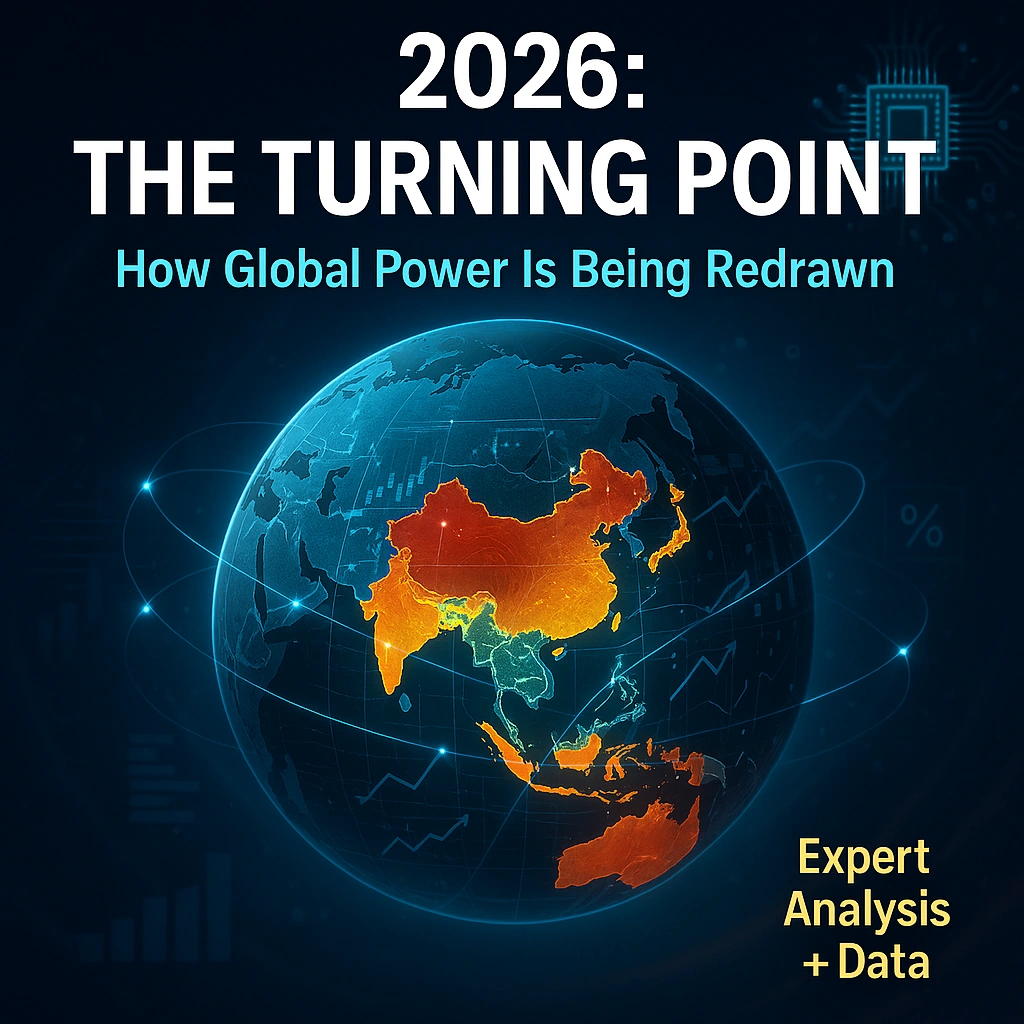
The Contours of 21st-Century Geopolitics Will Become Clearer in 2026: A New World Is Starting to Emerge

How to Become an Active Taxpayer on Pakistan’s FBR Active Taxpayer List (ATL) in 2026: A Step-by-Step Guide

🌍 Davos 2026: The World Economic Forum Annual Meeting Sets the Stage for Global Transformation
Agentic AI in Finance: How Artificial Intelligence Is Replacing Routine Tasks on Wall Street

The New Executive Gold Standard: Top 10 Companies Lavishing Unprecedented Perks on CEOs and CFOs in 2025–2026
-
Markets & Finance10 months ago
Top 15 Stocks for Investment in 2026 in PSX: Your Complete Guide to Pakistan’s Best Investment Opportunities
-
Analysis9 months ago
Debunking IMF Program Myths: Reconfiguring Engagement for True National Ownership in a Volatile World
-
Analysis4 months ago
China Economy 2026: Property Crisis, AI Investment & Export Surplus Explained
-
Investment10 months ago
Top 10 Mutual Fund Managers in Pakistan for Investment in 2026: A Comprehensive Guide for Optimal Returns
-
Asia10 months ago
China’s 50% Domestic Equipment Rule: The Semiconductor Mandate Reshaping Global Tech
-
Global Economy10 months ago
What the U.S. Attack on Venezuela Could Mean for Oil and Canadian Crude Exports: The Economic Impact
-
AI10 months ago
15 Most Lucrative Sectors for Investment in Pakistan: A 2025 Data-Driven Analysis
-
Exports10 months ago
Pakistan’s Export Goldmine: 10 Game-Changing Markets Where Pakistani Businesses Are Winning Big in 2025